
Ever wondered how brands pin down the perfect spot for a pop-up? It all comes down to location. Think of it as choosing your favorite hangout where every detail clicks and the vibe draws you in. Brands scout out areas that mirror their style, instantly turning a regular event into a memorable, personal experience. In this piece, we'll break down the key elements that help fashion pop-ups captivate their audience by mixing savvy data with an authentic local feel.
Core Criteria in How Brands Choose Locations for Fashion Pop-Ups
When planning a fashion pop-up, location is more than just a spot, it sets the stage for a brand to truly shine and connect with its audience. It’s like choosing that perfect meeting place where everything feels accessible and inviting. Ever thought about what makes a location pop? It all starts with ensuring it sings the brand’s vibe.
Imagine a chic designer boutique picking a venue that's easy to drive to and has smooth transit links. It’s like agreeing on a hangout spot that everyone can easily reach. Here’s a quick breakdown of what matters:
- Target-customer reach: Choosing a spot with good drive times and transit options is like selecting a meeting place that’s easy for your best friends to get to.
- Foot-traffic potential: Picture using real-time walk count data, much like knowing when your favorite coffee shop gets busy.
- Local trend alignment: Opting for a venue in a creative, artsy area mirrors the brand’s unique identity.
- Logistical feasibility: It’s all about having convenient load-in access and reliable power, think of it as ensuring the space is set up perfectly for a smooth event.
- Brand-story fit: A venue’s neighborhood charm or architecture can perfectly complement a brand’s narrative, making it feel intentionally curated.
Putting all these pieces together creates a framework for success. While a spot with great customer reach and peak foot-traffic sparks initial interest, the local culture and practical details fine-tune the experience. When a brand’s story seamlessly melds with the character of its location, the temporary pop-up transforms into a memorable event that not only grabs attention but also turns passersby into engaged visitors.
Assessing Market Demographics in Pop-Up Location Selection

Fashion brands mix classic research with modern data tools to really understand local markets. They use census information for a big picture of the community while leaning on geo-targeted surveys and CRM insights to catch real-time behavior. This smart blend uncovers details like age ranges, income levels, and cultural styles in different urban spots. For example, you might find that people in areas similar to SoHo or Le Marais prefer creative, artisanal experiences. These insights give brands a clear idea of not just where the right customers are but also how they interact with their surroundings, forming a key part of choosing the perfect spot.
Then, brands take these demographic profiles and line them up with their products to narrow down pop-up options. They hunt for locations where local habits naturally match the brand's story. They look at how easy it is to get around and even consider if people are open to a short drive of about 20 minutes for a unique boutique experience. With this detailed neighborhood look, fashion labels can quickly adjust their lists to choose venues that not only elevate the event experience but also build a stronger connection with their audience.
Maximizing Foot Traffic in Fashion Pop-Up Store Locations
Today, brands are getting savvy with cutting-edge tools like mobile-location analytics and infrared sensors to sense the flow of pedestrians around potential pop-up spots. It’s like having a live feed that tracks every footstep in a busy area. Imagine a team watching live data from IR sensors that light up during lunch hours, showing you exactly when a spot is buzzing. This kind of insight lets brands zero in on the best locations, whether it's a vibrant downtown street or a busy transit stop, ensuring they catch the eyes of passersby.
By studying when and how people move around, brands can plan events to match the peaks in activity. They schedule pop-ups during golden hours like early evenings or relaxed weekend afternoons when the streets come alive. Every sensor ping and mobile check-in is a little nudge that helps them time their activation perfectly, drawing in crowds and boosting conversion rates.
Matching Brand Identity and Local Trends in Pop-Up Location Planning
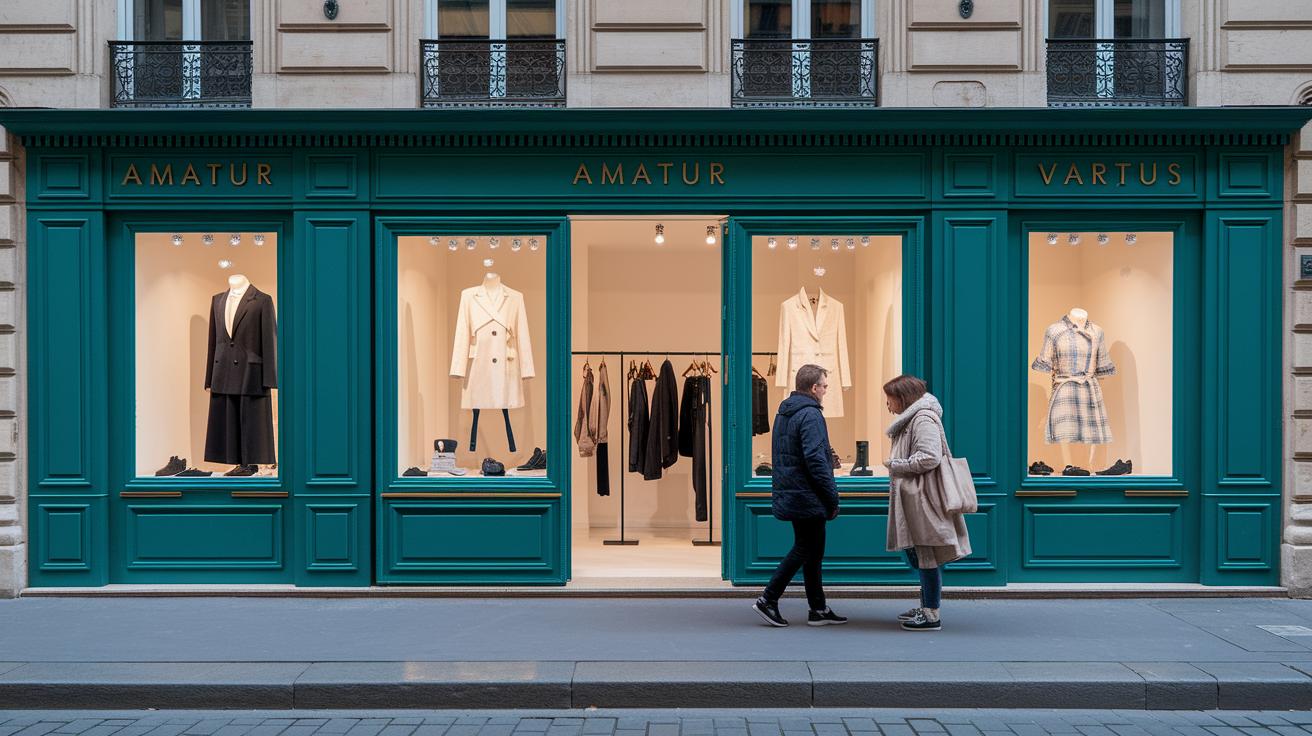
Fashion brands kick off their pop-up journey by soaking up the unique vibes of a neighborhood. They dive into local cultural trends and scope out how nearby events or similar retail spots can boost their activation. Take Paris, for instance, think hidden galleries and quaint courtyard showrooms in Le Marais that capture the city's timeless charm. Meanwhile, in Berlin, brands search for gritty, urban spaces where art, music, and tech seamlessly mix, making sure their events stand out rather than get swallowed up by the competition. It’s all about tuning into the local pulse and crafting a pop-up that feels right at home.
Designing the pop-up is like building a mini world that mirrors the neighborhood’s spirit. In Berlin hubs like Mitte and Kreuzberg, you'll find installations featuring a mix of quirky art and interactive digital screens, while LA venues on Melrose might host wellness sessions that speak to a dynamic, health-conscious crowd. Over in Stockholm’s Gamla Stan, minimalist designs underscore a vibe of simplicity and sophistication. Imagine this: "Set up your space to reflect the local energy, think of a boutique that sprinkles in a bit of playful, tech-savvy flair when surrounded by a vibrant street art scene." Brands are always on the lookout for current trends, ensuring that every detail fits perfectly with its local backdrop.
Evaluating Venue Quality and Feasibility for Fashion Pop-Ups
Today, brands are digging deep into commercial numbers like never before. They’re not just checking rent per square foot or storefront frontage; they’re also turning to real-time info like foot traffic and conversion rates. Recent case studies even show that wider frontages can hike up visitor engagement by as much as 30%. For example, one New York brand collected six months of data and found that a storefront with interactive display windows saw a 15% boost in exposure. They explained, "A pop-up in the heart of the city transformed its window space into an experience zone that drove customer interaction."
But it’s not just about the money. When picking a site, brands now go beyond basic checks to consider load-in capacity, reliable power, and even energy audits paired with digital monitoring for power usage. They’re also looking at temporary lease models that adjust with market changes. Trends indicate that venues with eco-friendly features can reduce operational costs while boosting brand credibility. For instance, a Los Angeles pop-up used a venue outfitted with smart energy systems. They shared, "By choosing a site with built-in green technology, the event trimmed installation fees and resonated with eco-conscious buyers."
Case Studies of How Brands Choose Winning Pop-Up Locations
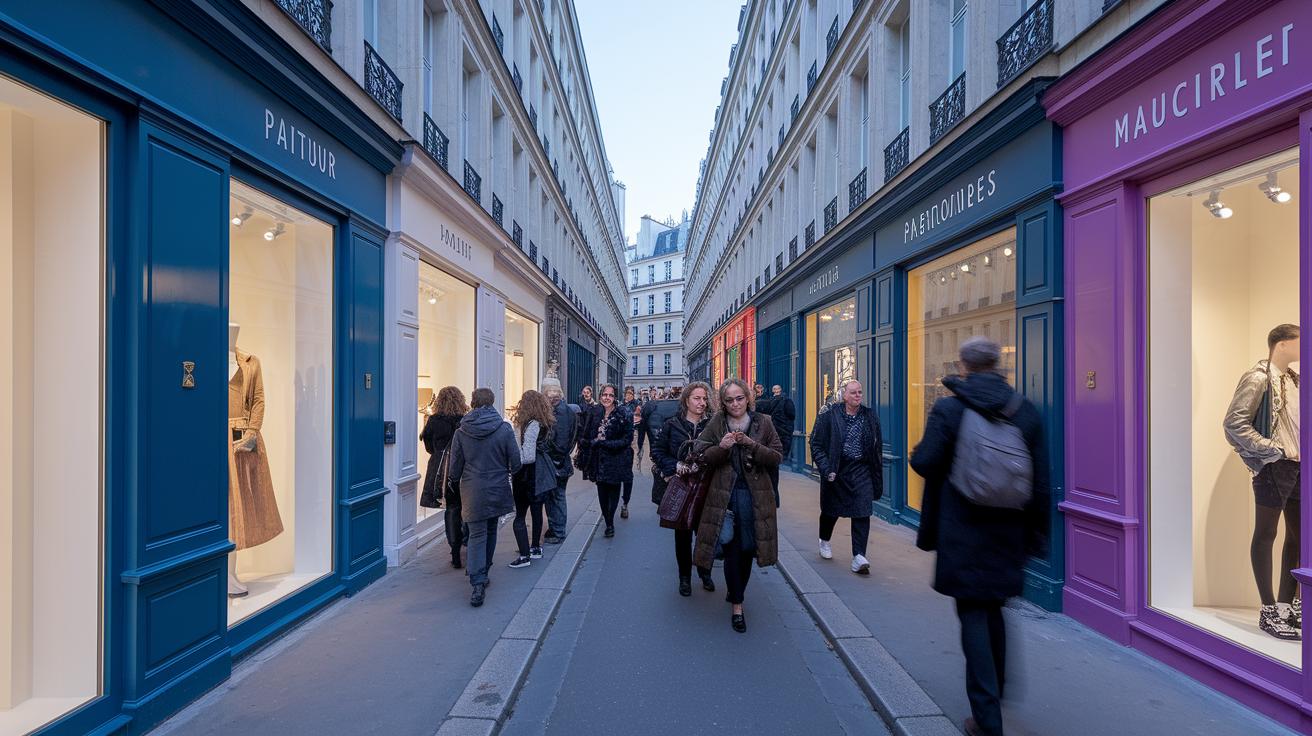
During Paris Fashion Week, brands turned Le Marais into a living art space. Hidden galleries and cozy showrooms created a buzz that felt both local and exclusive. In Milan, designers pulled off jaw-dropping activations that mixed fashion, furniture, and artisanal food during Design Week. Think of it like an immersive party for the senses that spoke directly to design enthusiasts.
Then there’s New York City, where pop-ups in SoHo and Meatpacking featured celebrity partnerships and unique art installations. The energy was palpable with each pop-up setting a stage where retail felt fresh and vibrant.
These stories show us that timing, local partnerships, and immersive design really do make a difference. Brands sync their activations with cultural moments to become part of the neighborhood’s narrative. By collaborating with local creative talents and influencers, they add an authentic touch that keeps audiences coming back. Interactive installations and themed events not only boost visibility in the short run but also convert passersby into devoted fans. It’s this blend of good timing, smart partnerships, and creative flair that turns every pop-up into a dynamic force for ongoing consumer engagement.
A Six-Step Framework for How Brands Choose Pop-Up Event Locations
Ever wondered how brands nail that perfect pop-up spot? Think of this guide as your insider recipe for success, where every step is designed to connect your style with the right local vibe. Picture it like scouting a space where local transit buzzes with potential customers, inviting them in with ease.
| Step | Action |
|---|---|
| 1 | Define your ideal customer and product offering |
| 2 | Narrow down 3-5 promising locations |
| 3 | Measure key location details |
| 4 | Use a weighted scoring method |
| 5 | Eliminate any sites with clear red flags |
| 6 | Track performance metrics after launch |
Keep in mind that staying flexible is crucial. By checking real-time numbers like foot traffic, conversion rates, and average spend, you can tweak your strategy on the fly. It’s a bit like adjusting that perfect outfit before stepping out, ensuring every pop-up event hits all the right notes.
Final Words
In the action, this post unraveled the nuts and bolts of how brands choose locations for fashion pop-ups. It digested everything, target-customer reach, foot-traffic stats, local vibes, logistical checks, and the creative spark that ties a venue to a brand’s story.
Every section served a purpose, grounding the theory with real-world examples and a practical six-step framework. It all comes together to inspire a fresh perspective on site selection, keeping things cool and forward-thinking.
FAQ
How do brands choose locations for fashion pop-ups in the USA?
The process brands use for choosing pop-up sites in the USA involves assessing customer reach, foot traffic, local trends, logistical feasibility, and brand fit. This strategy ensures each event resonates with its target audience.
What makes the best pop-up shops?
The best pop-up shops are defined by their unique venue character, strategic location, and ability to integrate immersive, engaging brand experiences. They attract high pedestrian traffic and connect well with local cultural vibes.