

Ever wonder if your first runway show can really steal the spotlight? Getting ready for your debut is a lot like choosing the perfect ensemble, where every little detail matters.
Imagine rehearsing your walk, refining every pose, and perfecting your portfolio as carefully curating each piece of your outfit. Each practice session builds up the confidence you need to stand out on that stage.
Think of these steps as your secret recipe for a dazzling performance. With clear guidance and genuine practice, you’ll be all set to make an unforgettable entrance on the runway.
Runway Debut Success Blueprint: Essential Preparation Steps
Kick things off with a solid game plan. Imagine laying out your week like you’re picking the perfect outfit, you mark those key dates for portfolio shoots, rehearsal sessions, and fittings well in advance. Every detail counts, so setting deadlines early ensures you're ready to rock the runway.
Next, turn your focus to perfecting your catwalk routine. Set aside a bit of time each day for posture drills, balance exercises, and pacing work. Try incorporating moves like side steps and smooth turns. And hey, practicing in front of a mirror can be a great way to catch any little missteps before showtime.
Moving on, it’s all about mastering that first show technique. Practice walking with a confident gait while seamlessly transitioning between poses. Check out Runway Model Walks for a closer look at these techniques. These sessions blend technical precision with creative expression, making sure every stride reflects the designer’s story.
Don't forget your portfolio, it’s your personal style story. Include a mix of looks, from the dramatic and daring to the understated and chic. A well-rounded portfolio not only shows off your versatility but also paves the way for more opportunities down the line.
Finally, compile a checklist to tie it all together. List everything from fitting sessions and wardrobe planning to those crucial final rehearsals. Each step should be rehearsed and fine-tuned to minimize any last-minute surprises.
Every aspect of this process, from initial planning to final practice, is part of what makes a runway debut truly standout. Keep checking your progress against your checklist, let every rehearsal boost your confidence, and soon enough, your dynamic, expressive movement will steal the spotlight on show day.
Physical Conditioning for a Standout Runway Debut

Kick off your runway prep by focusing on leg and core exercises that build the strength you'll need on stage. It’s like perfecting your signature stride, so start with a dynamic warm-up featuring light cardio and stretching to awaken your muscles and set the tone for serious movement.
Next, dive into stamina workouts that support long sessions of multiple outfit lineups. Timed squats and lunges are your go-to moves, boosting endurance and keeping you upright under the glow of those stage lights. Give sets of 20 lunges a try at a steady pace, they capture the rhythm of a runway show perfectly.
Then, amp up your poise with balance drills. Work on exercises like standing on one leg while tightening your core. This simple routine not only sharpens your footwork but also reinforces strong body alignment. And why not practice walking in a straight line on a narrow beam to keep your gait smooth and confident?
Finally, blend in some light plyometrics and additional core-strength routines. These moves keep your energy high and your steps fluid, even after a long practice. This way, you nail both your posture and your performance, ensuring every step sparkles on show day.
Wardrobe Planning Guide for an Impactful Runway Debut
Kick off your runway debut with outfits that scream your own style while echoing the show’s vibe and the designer’s vision. Start by soaking in the collection and asking yourself, "Does this look tell the story we want?" Think of it like setting up a killer outfit, mix deep, rich colors with light neutrals to create a look that’s both bold and balanced.
Next, nail down your accessory details. Picture your earrings, bracelets, or a sleek clutch as the secret sauce that pulls your outfit together. Each piece should vibe with your overall color combo, adding just the right touch of personality.
Plan an early fitting session so you have plenty of time for any last-minute tweaks. Begin with a standard try-on, then mark spots that could be tweaked to flatter your figure even more. Work hand-in-hand with your stylist for those small adjustments that ensure you hit the runway with absolute confidence.
Finally, keep a checklist handy, think outfit choices, accessory selections, color coordination, fitting sessions, and necessary alterations. Each step plays a role in creating a seamless, eye-catching presentation. Embrace the process as a creative partnership that turns your runway debut into a statement of genuine style and bold confidence.
Catwalk Technique Mastery for Your Runway Debut

Getting your catwalk just right is all about a mix of practice and precision. Start with daily drills, think focused gait exercises, deliberate turns, and pace control routines that help you develop a smooth, confident stride. Imagine rehearsing a series of steps so precise it feels like a perfectly rehearsed performance, each move crafted to spotlight your presence on stage.
Organized rehearsals are the secret sauce. Plan your sessions like you’re getting ready for the real show, scheduling time for turn sequences, prolonged gait drills, and rhythm syncing. Play around with different tempos and subtle shifts in body language to bring out the designer narrative in your performance. I learned a lot from programs like Runway Essentials and Runway Masterclass, which really opened my eyes to the finer details.
Combine consistency with fresh ideas, and you’re on your way to runway magic. Push your boundaries by trying innovative transition moves that turn practice into a creative workshop. Record your sessions every now and then so you can review and adjust your performance. Each rehearsal is a step closer to mastering that perfect runway stride.
Solid practice routines fine-tune your body and timing while boosting your stage confidence. Consider mirror feedback sessions, partnering up for genuine critiques, and experimenting with varied paces. These extra touches elevate your technical walk training and ensure you captivate the audience effortlessly.
Building Confidence and Managing Pre-Show Nerves for a Runway Debut
Before you hit that runway, turn those pre-show jitters into pure energy. Imagine each confident step as a living narrative, telling the story of the designer's vision. Picture every graceful gesture as a deliberate showcase of style, a little rehearsal that gets your mind locked in and ready.
Next, ease your pace with a simple breathing trick. Breathe in slowly and deeply, hold on just for a moment, then exhale steadily. This calm, rhythmic approach not only soothes your nerves but also helps your body settle into a poised performance.
Right before stepping into the spotlight, give yourself a quick pep talk. Tell yourself, "I'm secure, and every step radiates strength." It’s like chatting with a stylish friend, a mini boost that centers your focus and reminds you of your inner power.
Try these actionable tips:
| Technique | Action |
|---|---|
| Controlled Breathing | Take slow, deep breaths to ease tension |
| Visualization | See yourself owning that runway with every step |
| Positive Affirmations | Remind yourself of your strength and style |
Mixing these mental cues into your routine nurtures genuine confidence. It helps you connect with the audience through every expressive move, letting your relaxed poise speak volumes on the runway.
Backstage Coordination Guide and Professional Etiquette for Your Runway Debut
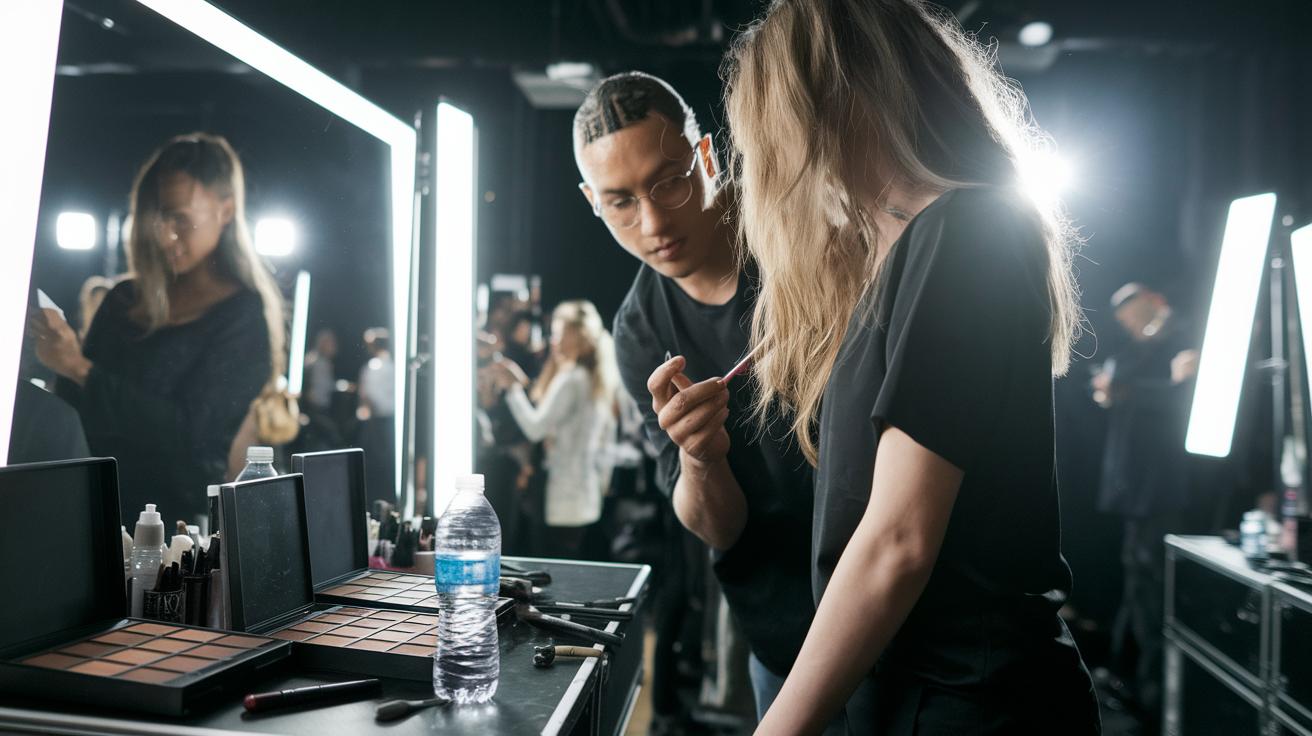
Being on time is non-negotiable. Think of punctuality like your perfect walk on the runway; it's the first step in setting up a flawless show. Check your schedule ahead, greet your dressers, stylists, and show producers with a warm hello, and run through your must-have kit items in your head. It’s like getting your outfit just right, makeup, backup accessories, and yes, that essential water bottle all in place.
Clear and direct communication keeps everything running smoothly backstage. Use simple signals and clear language. For instance, saying, "I need my final fitting in five minutes," makes sure everyone on your team is on the same page with your timing.
Safety is just as important. With limited space and constant activity, knowing the layout and following cue systems can prevent unexpected mishaps. Respect the flow of instructions, stick to the procedures, and keep your cool even when things get hectic.
Before the show, a quick self-check and a review of your checklist can really boost your confidence. Stay in touch with your team, share updates on any outfit tweaks, and double-check that nothing is missing. This attention to detail and respect for everyone’s role creates a backstage vibe that feels both cohesive and confident, perfect for your big debut.
Insider Tips from Designers and Agency Scouts for a Successful Runway Debut
When it comes to debuting on the runway, experts agree that everything starts with your personal brand. Think of choosing a designer like finding that perfect partner whose creative vision meshes with your unique style. It’s a bit like assembling a killer outfit, if one key piece is missing, the whole look just doesn’t come together. When you share your story clearly, your presence feels genuine and unforgettable.
Networking is your secret weapon. Spend your time at big events like New York Fashion Week, where every corner offers a chance to meet influential figures. Chatting with peers and established professionals not only opens doors but also fine-tunes your career strategy. Every off-stage conversation might just be the moment that leaves a lasting impression.
Here are a few insider pointers:
- Attend well-known events to mingle with top designers and scouts.
- Think of your interactions like rehearsals; practice fun, memorable lines.
- Build your brand identity by showing off that signature style in every shot.
- Treat every audition as a stepping stone, follow up thoughtfully and network earnestly.
Agency scouts are on the lookout not just for technical skills but for a warm personality and reliable presence. Tuning in to advice from seasoned insiders can really transform those pre-show jitters into a brilliant launch. It’s all about turning your debut into a statement of potential, not just a one-time appearance.
Final Words
In the action, every model now has a clear step-by-step plan, from physical conditioning and wardrobe planning to mastering catwalk technique and backstage coordination. Each segment provided bite-sized insights to boost performance and build confidence, with exclusive advice from designers and agency scouts to further refine your style. The detailed tips aim to simplify your approach, making preparing for a successful runway debut feel achievable and inspiring. Enjoy refining your craft and stepping out with a confident stride on center stage.
FAQ
What are the essential preparation steps for a standout runway debut?
The essential preparation steps include mastering your walk technique, refining your portfolio, and coordinating with designers to align your performance with their vision for a polished debut.
How can I build the physical conditioning necessary for a flawless runway appearance?
The physical conditioning involves targeted leg and core exercises, balance drills, and stamina-building routines, all designed to boost strength and sustain energy during the show.
What should I consider when planning my wardrobe for the runway?
The wardrobe planning process involves scheduling early fittings, coordinating color and accessories, and collaborating with stylists to create an outfit that resonates with the designer’s concept.
How do I master catwalk technique for a confident performance?
Mastering the catwalk technique requires practicing daily gait drills, rehearsing transitions, and refining your timing to ensure smooth, confident movements on stage.
How can I build confidence and manage pre-show nerves effectively?
Confidence building and managing nerves involve visualization, deep breathing, and positive affirmations, helping you channel the designer’s narrative and express your style authentically.
What are the key points of backstage coordination and professional etiquette?
Successful backstage coordination means punctuality, clear communication with your team, and a readiness to follow cue systems, ensuring a smooth flow behind the scenes.
What insider tips do designers and agency scouts share for a successful runway debut?
Insider tips include translating designer directions into performance choices, networking at major fashion events, and using masterclass programs to build your profile and secure future opportunities.