

Ever wondered if fast fashion's notorious wasteful routine could finally take a more mindful turn? Numbers and real-life impacts are stirring up questions, sparking talk about stricter rules, cutting-edge tech that streamlines production, and a booming resale market that’s catching fire.
Brands are now nudged into more honest practices through tighter regulations, and shoppers are diving into secondhand finds like never before. Meanwhile, new technology is quietly revolutionizing production processes, hinting at a major reinvention within the industry.
Imagine an era where oversight, clever reuse strategies, and smart innovation intertwine to steer an industry long known for its rapid, disposable trends in a more sustainable direction. Sounds like a fashion revolution in the making, doesn’t it?
Fast Fashion’s Future: Integrating Regulation, Resale, and Innovation
Fashion used to be a straight shot: grab raw materials, make clothes, and toss them out when trends changed. Today, that old-school method is causing real headaches, think 10% of global carbon emissions, a whopping 1.2 billion tons of greenhouse gases, nearly half of unsold inventory hoarded away, and mountains of landfill waste. With more people demanding ethical practices and stylish designs, brands are now rethinking their entire game plan, leaning into ideas from the circular economy.
Regulatory changes are shaking things up too. New ideas like New York’s Fashion Act and the EU Circular Economy Action Plan are pushing brands to open up their supply chains, keep a close eye on environmental impacts, and hit strict waste reduction goals. Now, companies need to report their emissions and mix sustainable production with slick, digital upgrades in how they design and produce clothing. It’s a balancing act between speedy releases and real responsibility, to both the people making the garments and our planet.
At the same time, the resale boom is turning heads everywhere. Platforms such as ThredUp, Vinted, and Depop have sparked a major shift towards buying secondhand. This movement encourages people to embrace longevity and reuse rather than chasing every new trend. Fast fashion labels are catching on, launching their own secondhand collections and creative upcycling projects that breathe new life into old pieces. These moves not only stretch out the life of a garment but also help curb overproduction and reduce reliance on synthetic materials, which make up about 60% of current production.
Tech innovations are also playing a starring role in this transformation. AI-powered tools are predicting consumer trends with up to 90% accuracy, which means production can be more responsive and efficient. Add in 3D printing and on-demand manufacturing, and you’ve got methods that tailor designs quickly while cutting down on waste. One cool example? Luminescent FibreTrace pigments that embed unique, traceable signatures in fabrics. This tech helps brands prove their sustainability credentials and fight off greenwashing. These smart solutions not only streamline production but also shine a light on every garment’s journey through the supply chain.
Fast fashion is completely reinventing itself by mixing tighter regulations, a thriving resale culture, and cutting-edge technology to create a more responsible, innovative future.
Fast Fashion Regulation Trends Shaping the Industry’s Tomorrow

New regulatory rules are shaking up fast fashion by insisting that brands become more open and responsible about their supply chains. Legislation such as New York's Fashion Act and the EU Circular Economy Action Plan now requires companies to track and report their Scope 1, 2, and 3 emissions while embracing circular models inspired by some of the top sustainable practices around. And here’s a surprising fact: over 90 percent of leading brands still don’t fully disclose worker welfare details, a gap that new consumer protection policies are set to target.
Key trends are emerging that feel a lot like following a well-tested recipe. Extended producer responsibility means companies now face tougher fines if they don’t hit waste-elimination targets. These changes push brands to earn eco-labels and navigate stricter import/export regulations, ensuring that every step of their distribution meets eco-friendly standards. It’s like crafting the perfect outfit: you blend environmental care with production know-how to create a balanced, stylish result.
Major fashion players now find themselves at a crucial turning point. Fines for noncompliance and incentives for using recycled materials are powerful motivators that are reshaping the industry. With mandatory ethical procurement rules coming into play, brands are adapting by revamping their reporting methods and ensuring complete transparency.
| Key Change | Action Required |
|---|---|
| Worker Welfare Disclosure | Brands must improve transparency about labor standards. |
| Extended Producer Responsibility | Stricter fines and targets are redefining accountability. |
| Import/Export Regulations | Tighter tariffs and eco-certifications are guiding distribution choices. |
These sweeping reforms signal a new era for fast fashion, one where sustainability is not just a trend but a legal necessity. As the industry evolves, every company will need to reexamine its processes and overall ethos to thrive in a market where being eco-friendly is the rule, not the exception.
Fast Fashion Resale Revolution: Extending Garment Lifecycles
Have you noticed how platforms like ThredUp, Vinted, and Depop are booming? These secondhand hubs are growing by double digits each year, sparking a shift toward giving clothes a second life and cutting back on constant new production.
Big-name fast fashion brands are catching on too. They’re launching their own pre-owned apparel networks to snag vintage and upcycled pieces. It's like finding that cherished blazer in your closet and watching it transformed into something timeless.
Consumers are also diving into circular wardrobe trends. With smart digital systems optimizing thrift inventories and predicting what’s next on the trend radar, listing pre-loved finds has never been easier. Plus, integrated tools are helping brands upcycle with ease. All these bold moves are coming together to stretch each garment’s value even further.
Fast Fashion Innovation: Tech-Driven Design and Production Breakthroughs
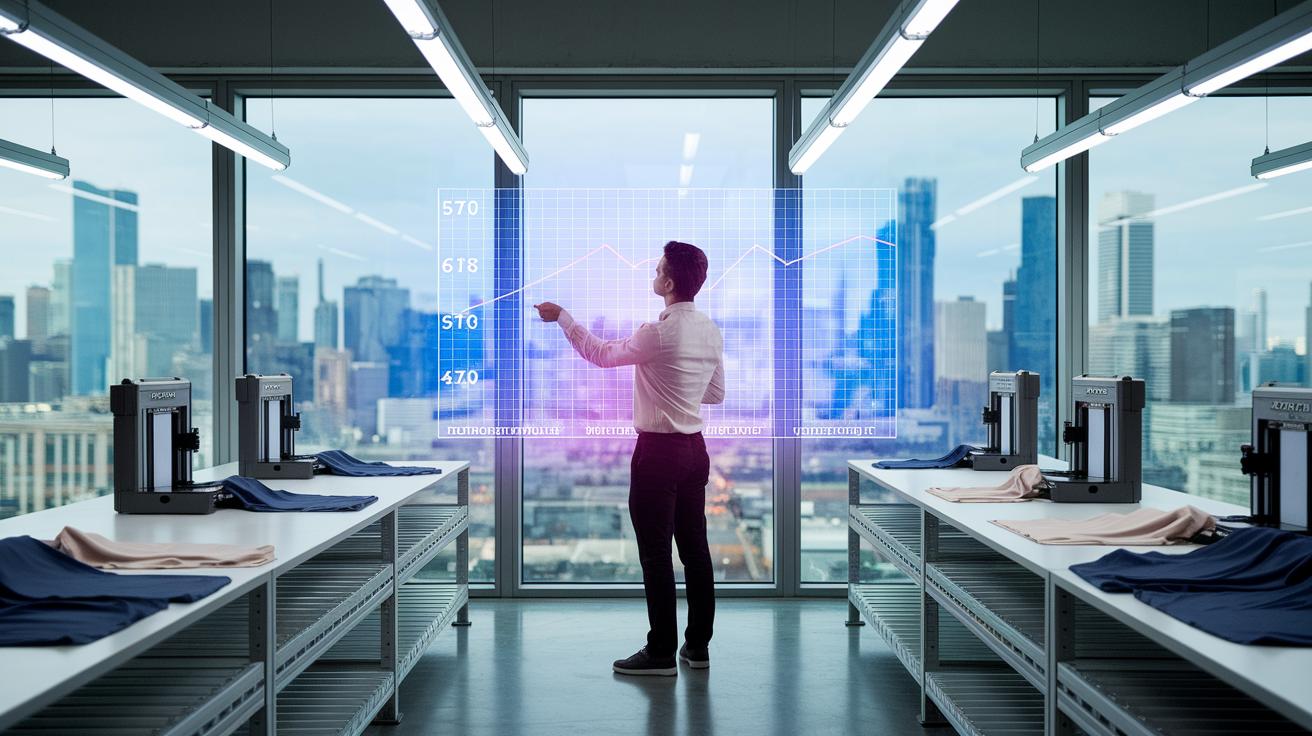
AI-driven trend forecasting is truly changing the game by accurately predicting customer demand up to 90% of the time. One brand, for example, spotted a 75% spike in urban interest and switched up its designs within just hours, making sure supply met consumer needs almost on the fly.
3D printing and on-demand manufacturing are now at the heart of smart production systems. Designers can quickly test new ideas and produce exactly what’s needed, cutting down on excess waste. I remember hearing about a designer who went from a sketch to a fully display-ready jacket in less than a day, talk about speedy innovation!
Then there’s FibreTrace with its luminescent pigments. These unique fiber signatures not only confirm the recycled content in garments but also add a cool, sustainable edge that builds real trust with customers. It’s like getting a green stamp of approval right on your clothes.
Digital tools are stepping up the fashion experience too. With features like virtual try-ons and wearable-tech add-ons, shoppers can see how a piece fits in real time. Imagine using an app to try on a dress virtually, it’s fun, practical, and even helps reduce returns.
| Innovation | Industry Impact |
|---|---|
| AI Trend Forecasting | Optimizes production, reduces waste |
| 3D Printing & On-Demand Manufacturing | Supports rapid prototyping and customization |
| FibreTrace Luminescent Pigments | Verifies recycled content, builds consumer trust |
| Virtual Try-On & Wearable Tech | Enhances customer experience, cuts return rates |
Fast Fashion’s Growth Forecast and Evolving Consumer Patterns
Global fast fashion is set to bloom, growing about 7% each year between 2025 and 2029 and potentially reaching USD 214.24 billion. Imagine the buzz of a digital marketplace paired with supply chains that can switch gears at a moment's notice, it's driving a whole new era in style. Today’s market is moving away from old-school mass production toward a model that blends quick turnaround with sustainable practices. Ever notice how shoppers now care just as much about how a piece is made as they do about the trend? Durability, clarity in the supply chain, and ethical production are now must-haves.
Consumers are taking a closer look at brands, looking for that perfect mix of fast fashion meets quality craftsmanship. Think of it like putting together an outfit where every choice, from the fabric to the ethics behind it, has to look just right. New benchmarks for climate action and sustainable policies are becoming key markers of success. On top of that, unpredictable market shifts and global issues mean brands need smart inventory tools and strong supplier connections. These networks offer a clear view ahead, letting companies adjust production plans on the fly. As tastes change, brands are under pressure to deliver not only stylish, quick-turn pieces but also garments that promise lasting quality and genuine integrity.
Final Words
In the action, we saw fast fashion reimagined through tighter regulations, the rise of resale markets, and breakthrough tech innovations. Each section revealed how brands adapt, from AI trend forecasting to circular wardrobe practices, to blend style with sustainability. The data-backed insights show a vivid transformation in production ethics and consumer behavior, promising a dynamic shift ahead. The future of fast fashion (regulation, resale, and innovation) is bright, steering the industry toward smarter, more conscious practices while keeping style effortlessly fresh.
FAQ
What does The State of Fashion 2026 report cover?
The State of Fashion 2026 report covers emerging industry trends, production innovations, and regulatory changes, offering industry insights on market shifts, sustainability initiatives, and digital transformation strategies.
How does the report “When the Rules Change” inform the fashion sector?
The report “When the Rules Change” explains upcoming regulatory frameworks impacting fast fashion, emphasizing supply-chain transparency and environmental accountability under new proposals like the EU Circular Economy Action Plan and New York’s Fashion Act.
Where can one access The State of Fashion 2026 PDF?
The State of Fashion 2026 PDF is available online through McKinsey’s website, providing comprehensive analysis on market trends and the evolving regulatory landscape for industry professionals.
What insights does McKinsey’s State of Fashion report offer for the future industry?
McKinsey’s report projects robust industry growth driven by digital advancements and sustainability mandates while outlining shifts toward smarter production practices and stricter regulatory compliance.
What key statistics does The State of Fashion report highlight?
The State of Fashion report highlights essential statistics such as revenue growth projections, carbon emission data, fabric usage trends, and insights into evolving consumer and sustainability metrics.