
Ever wondered how runway magic really happens? Imagine a vibrant studio where creative designers join forces with skilled pattern makers and production experts to turn a simple sketch into a head-turning outfit. It all begins with hands-on planning and smart cost checks that make room for fresh, innovative ideas. From inspiring mood boards to those final quality tweaks, every little step comes together to create the bold, trend-setting looks we all love.
Workflow Foundations in a Fashion Design Studio
In a bustling studio, every department shines. Creative teams, pattern makers, and production experts work side by side while a dedicated admin and logistics crew ensures everything runs smoothly. Each team handles its own piece of the puzzle, from the first spark of an idea to that final quality check. Ever wonder how a designer’s vision turns into a garment? A sketch is quickly passed on to pattern makers who craft detailed templates to guide production.
Cost and prototype management are big parts of daily life here. Global apparel production might hit $2.25 trillion by 2025, yet studios still rely on creating a handful of prototypes, usually 5 to 10 per style, to perfect the fit and finish. Physical sampling takes up about 10 to 15 percent of the development budget and requires balancing costs with creative ambitions. This careful process keeps budgets in check without sacrificing the enthusiasm that drives every design.
Smooth workflows are key. Clear communication and tight coordination between departments mean fewer delays and fewer prototypes, which helps manage costs even better. With organized routines and open channels, creative talent gets the space to flourish without being slowed down by production hiccups. Ultimately, these streamlined processes allow a studio to keep up with fast-changing trends while staying true to its creative roots.
Concept Development and Mood Board Creation in the Studio
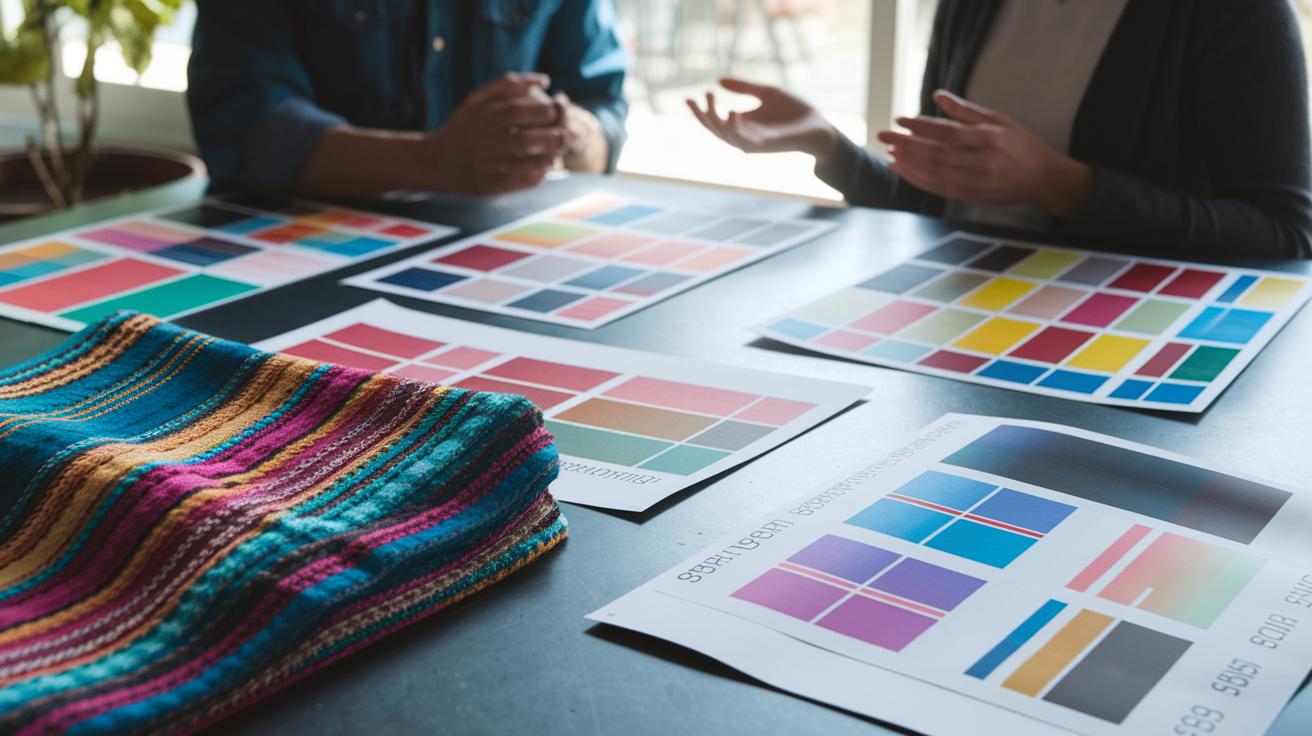
In the studio, the creative director kickstarts the vibe by putting together trend boards that showcase the freshest fashions, art, and cultural moments. It’s a lively mix that sparks conversations and guides the team toward inventive ideas. One designer mentioned, "A single vintage poster can change the entire collection's feel." Pretty cool, right?
Inspired by that energy, designers build mood boards that blend tactile textures, vibrant colors, and evocative images drawn from nature, art, and personal memories. They use high-resolution pictures printed on A4 paper to capture every subtle detail. This meticulous process helps ensure that even as sketches evolve into full renderings, the lines remain consistent. It’s a smart mix of creative flair and practical precision that lays the foundation for each collection’s striking visual identity.
Picture Reference Best Practices
Adhering to these guidelines ensures every sketch stays sharp even when scaled:
- Use images at a minimum of 300 dpi
- Choose full-frame shots to capture maximum detail
- Opt for A4-sized references for clear, precise line work
- Maintain proper scale to keep line thickness consistent
Every detail counts.
Design Iteration: Sketching Sessions and Digital Illustration
Step into the studio and you’ll immediately feel the creative buzz as designers start with hand sketching. They grab a pencil and paper, capturing spontaneous ideas and raw emotions that quickly transform into original design concepts. These sketches act like a personal blueprint, letting a designer’s personality shine through and setting the stage for all that follows. And even when digital tools come into play later, that hands-on feel often sparks unique details that you might miss with pure computer work, think of it as sketching out a bold outfit before you dive into digital crafting.
- Adobe Photoshop
- Adobe Illustrator
- CLO 3D
- Browzwear VStitcher
- TUKA3D
- Gerber AccuMark
Once the initial drawings have been perfected on paper, the magic shifts to the digital realm. Designers translate their visions onto a 64 cm square repeat tile canvas, a standard setup for screen printing. Next, the studio teams blend in cutting-edge 3D and AI technology to refine every little detail, which can slash the need for physical samples by as much as 70%. With forecasts suggesting that 60% of all workflows might soon be automated by 2027, this mix of classic sketching and modern digital design not only speeds things up but ensures every creative decision is pinpoint accurate.
Fabric Sourcing and Material Selection Workflow
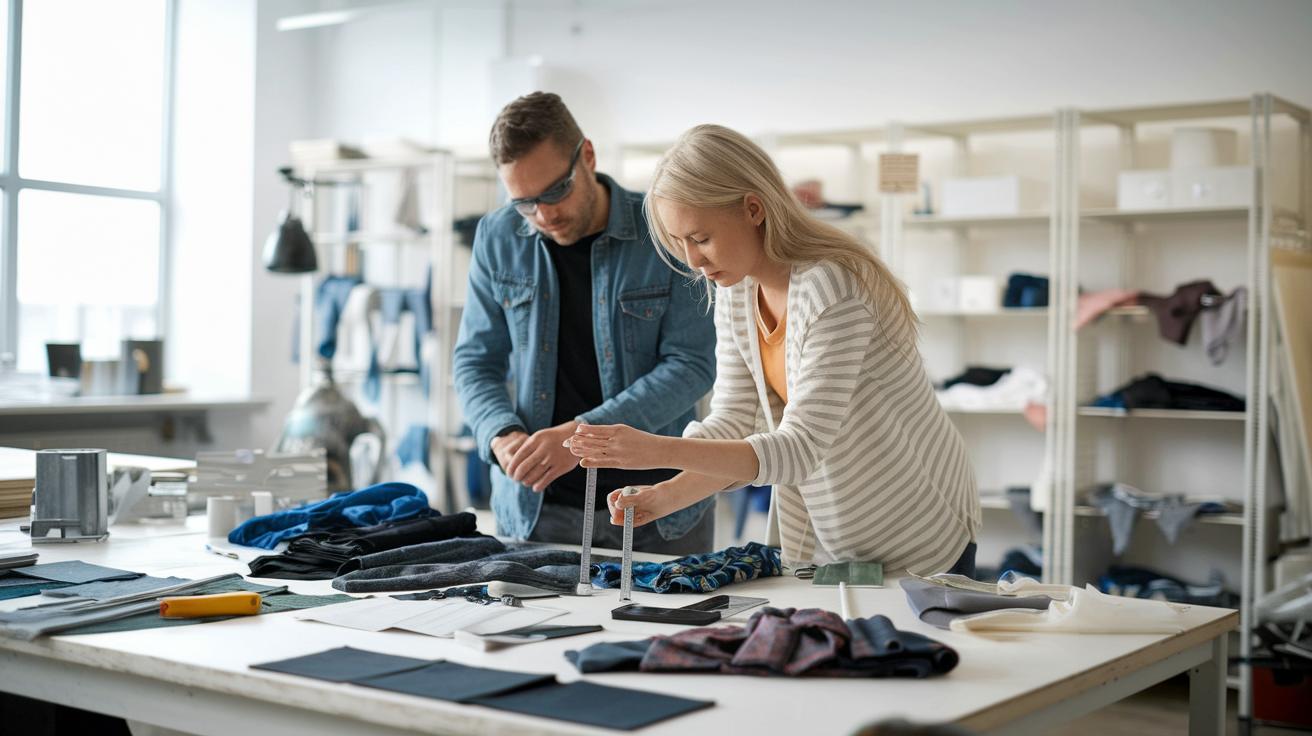
Studio teams kick off material selection by zoning in on key technical details that every garment relies on. It all starts with factors like fabric weight, how it drapes, and its unique texture. Designers roll up their sleeves to test each sample, running tensile tests to check strength, using drape meters to see how the fabric flows, and giving a hands-on feel to judge softness. This careful process makes sure each fabric not only looks great but performs exactly as needed.
Next, sustainability is a major player. Studios are increasingly choosing eco-friendly materials and zero-waste cutting techniques to keep up with stricter sustainability goals. With pressure to cut waste by 25% by 2030, in a world facing 92 million tons of textile waste annually, labs now add environmental impact reviews to their routine checks. Designers are even playing with alternative fibers and innovative production methods, blending cutting-edge style with responsible production to create collections that are as kind to the planet as they are striking.
Pattern Drafting and Technical Flat Drawing in Studio Operations
In the studio, designers dive into draping workshops, experimenting with fabric on dress forms to really see how materials move. These sessions are super hands-on, giving you a chance to feel and perfect every curve before templates even come into play. You get to adjust fabric tension, spot seam lines, and line up grainlines, ensuring each piece fits together beautifully.
Then, the focus shifts from the tactile world of fabric to digital pattern drafting. Designers start using specialized software to create technical flat drawings, which act like blueprints for production. These digital flats capture intricate details like notches and precise seam lines, so the design transfers perfectly onto the final garment. The 1:1 scale drawings even keep the line thickness just right whether you scale the design up or down.
When it's time to scan motifs, studios rely on flatbed scanners or modern smartphones. The key is to keep the camera parallel to the paper with even lighting, making sure shadows don't mess up the details.
Flat drawings essentially become the roadmap for pattern makers while manufacturing, ensuring that every garment stays true to the designer's original vision.
Sample Prototyping and Fitting Sessions: Studio Workflow Steps
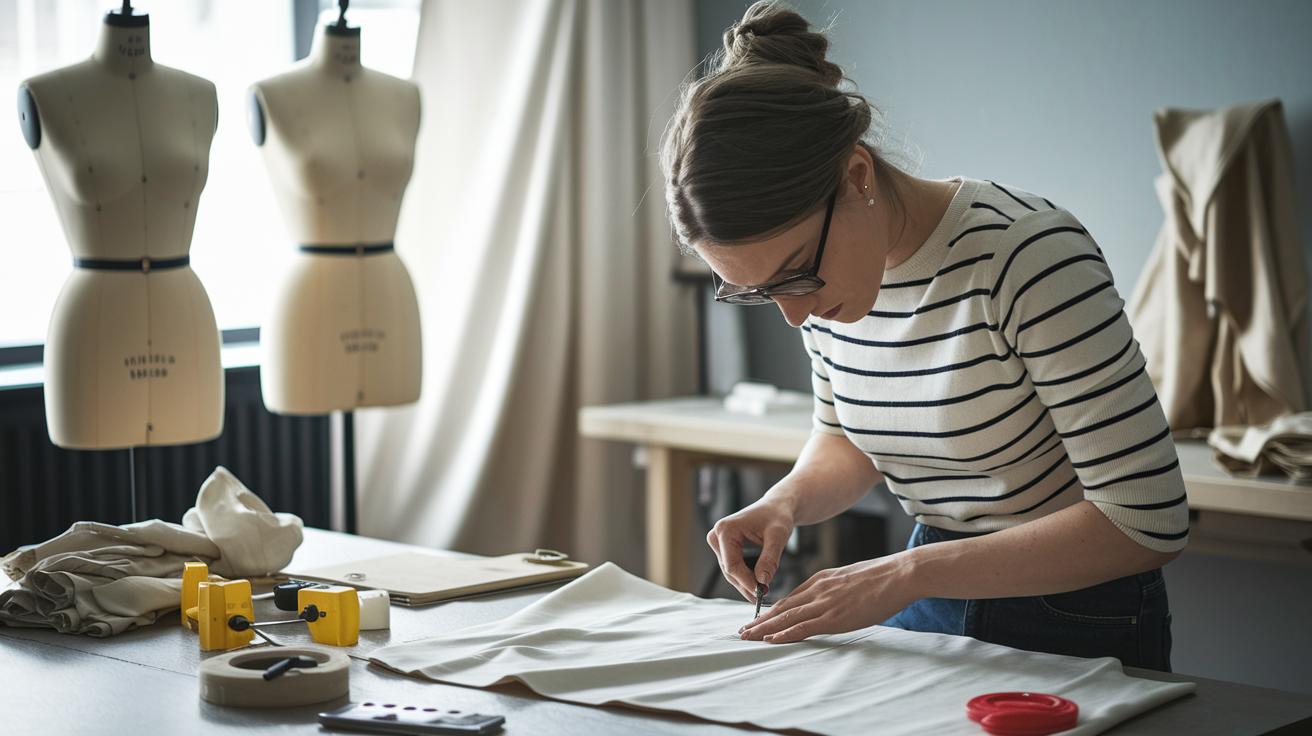
It all starts with the prototype. Designers carefully cut the fabric and stitch together a sample garment that brings the design to life. They work with quality materials and precise pattern templates, measuring, cutting, and stitching every seam with close attention. One designer even said it’s thrilling to see a flat pattern transform into a real piece. This hands-on step sets the stage for reviewing style and fit before anything moves into full production.
Next comes the fitting sessions. Here, models or mannequins help bring the design into sharper focus. Typically, studios hold two or three sessions per style, making small tweaks each time. Designers gather feedback from fit experts, pattern makers, and even the person wearing the garment. They might tweak sleeve lengths, adjust the bodice, or refine the overall silhouette. Each round of feedback adds a fresh perspective, ensuring the piece not only looks great but feels right too.
There are always some budget and timeline considerations. Many small and mid-sized brands spend around 15–20% of their budget on these prototypes. Additional iterations and close work between design and production teams can stretch timelines by four to six weeks. This makes it essential to have an efficient process that still upholds quality.
Production Calendar Management and Quality Control in the Studio Workflow
In the studio, scheduling software and digital calendars are the backbone of every collection. Teams map out design milestones over an 8–12 week period, ensuring each phase gets its well-deserved attention. They split production into clear segments so that concept development, sample creation, and final assembly are all planned with precision. And with real-time tracking and integrated planning tools, designers and production managers can quickly spot hiccups and adjust timelines as needed.
| Phase | Duration | Key QC Checks |
|---|---|---|
| Concept & Ideation | 1-2 weeks | Initial design check |
| Design Development | 2-3 weeks | Stitching and seam review |
| Material Sourcing | 1-2 weeks | Fabric tension and texture tests |
| Prototype Assembly | 2-3 weeks | Fit assessments and adjustments |
| Final Production | 1-2 weeks | Comprehensive garment checks |
Digital prototyping is a real game changer today. By crafting detailed virtual models, studios reduce the need for multiple physical samples, cutting emissions by up to 40 tons per 1,000 styles. This green move not only speeds up the approval process but also slashes material waste and energy use. Smart digital tools effectively bridge the gap between creativity and efficiency, setting a fresh standard for quality and sustainability in the industry.
Team Collaboration and Atelier Environment for Inside Studio Workflow

In our studio, every role is carved out so that creativity and precision dance together. Designers, pattern makers, seamstresses, and PR pros all come under one roof, each bringing their own flair to the mix. Weekly brainstorming sessions, led by our creative director, keep the energy high and ensure everyone’s ideas get a moment in the spotlight. Regular team check-ins and spontaneous chats add that magical touch, fueling breakthrough moments that feel almost like serendipity.
Digital tools add a modern twist to our workflow. Cloud-based platforms let our design, pattern, and production teams collaborate in real time, much like a live jam session of ideas. Virtual meetings and quick rounds of feedback help smooth out any missteps before they even have a chance to creep in. This digital-first mindset keeps our creative vision on track from concept to final piece.
Cross-Department Workflow Tools
| Tool | Purpose |
|---|---|
| Slack | Enables lively, real-time chats across teams |
| Asana | Keeps track of tasks and project timelines |
| Trello | Offers a visual way to manage projects |
Final Words
In the action, we've covered everything from studio layout and creative mood boards to hands-on design iterations and precise sample prototyping. Each section painted a picture of how modern departments, cost factors, and collaborative energy come together to shape daily production processes.
This deep dive into a fashion design studio workflow underlines how every detail helps bring fresh styles to life. The future is bright, and every step presents a chance to spark more innovation in the ever-changing fashion scene.
FAQ
Inside a fashion design studio workflow YouTube
The inside YouTube video on a fashion design studio workflow showcases creative processes, teamwork, and production milestones from concept development to finished prototypes, giving viewers an engaging glance into daily studio operations and collaboration techniques.
Inside a fashion design studio workflow 2022
The inside 2022 fashion design studio workflow presents updated studio practices that blend traditional sketching with digital methods. It highlights refined sampling processes and teamwork that streamline the path from initial ideas to finished garments.
Fashion designer office plan
The fashion designer office plan outlines spatial organization with dedicated workstations for design, pattern making, and digital editing. This layout supports smooth transitions between creative brainstorming and technical production.
Front Office clothing review
The front office clothing review examines garment quality, fit, and presentation while offering practical insights on office attire collections. It focuses on evaluating fabrics, construction, and style from an insider perspective.
Front Office clothing Reddit
The front office clothing Reddit discussions reveal firsthand reviews on garment performance, comfort, and style. These shared experiences help inform purchasing choices and offer authentic feedback for everyday professionals.
What are the 7 steps in the design process and what are the basic steps in the fashion design process?
The seven steps in the design process traverse concept development, mood board creation, sketching, digital illustration, material selection, prototype sampling, and final production readiness, providing a structured approach to transforming ideas into market-ready designs.
What are the 7 elements of fashion design?
The seven elements of fashion design typically consist of line, shape, color, texture, form, balance, and proportion, forming the visual fundamentals that guide designers in creating consistent and expressive garment aesthetics.
Do fashion designers work in a studio?
The work of fashion designers in a studio is hands-on. They collaborate with teams on sketches and prototypes, ensuring that every design transitions smoothly from the drawing board to production.