

Ever wondered if your fashion portfolio is missing that extra spark? It’s more than a simple collection of designs, it’s your creative journey in motion. Imagine a bio that hints at your influences and a curated display of projects, sketches, mood boards, and technical drawings that truly capture your passion and expertise. In this article, we’re exploring the must-have elements that can elevate your presentation, making every piece of your work speak volumes. Ready to turn your collection into a compelling, attention-grabbing narrative?
Fashion Design Portfolio Examples (What to Include)
Your portfolio isn't just a record of work, it’s a vibrant story of where your creativity has taken you. It lets every viewer feel your journey, showcasing not only your unique style but also your technical know-how and thoughtful approach. Start out with a short, engaging bio that spills a little about your influences and what makes your perspective stand out.
When you highlight projects that take someone from the spark of a mood board to the finished garment, you’re inviting them into your creative process. Every detail matters, from the very first sketch to the meticulous construction notes, and this clear progression shows potential employers and academic panels that you’re fully ready for the industry's challenges.
- Creative bio
- Signature project features
- Sketch compilation
- Mood boards
- Technical drawings
- Fabric swatches
- Resume highlights
Remember, curation and customization are key. Focus on quality over quantity, making sure each piece is chosen to spotlight your strengths while keeping everything seamlessly connected. Tailor your portfolio for different opportunities, whether it’s for an internship, a job interview, or academic applications. Every element should blend together naturally, proving that you can tackle design challenges and communicate your vision with complete clarity. And don’t forget to include supporting materials like technical drawings and fabric swatches to underline the robustness of your design skills.
Showcasing Sketches and Illustrated Concepts in Your Portfolio
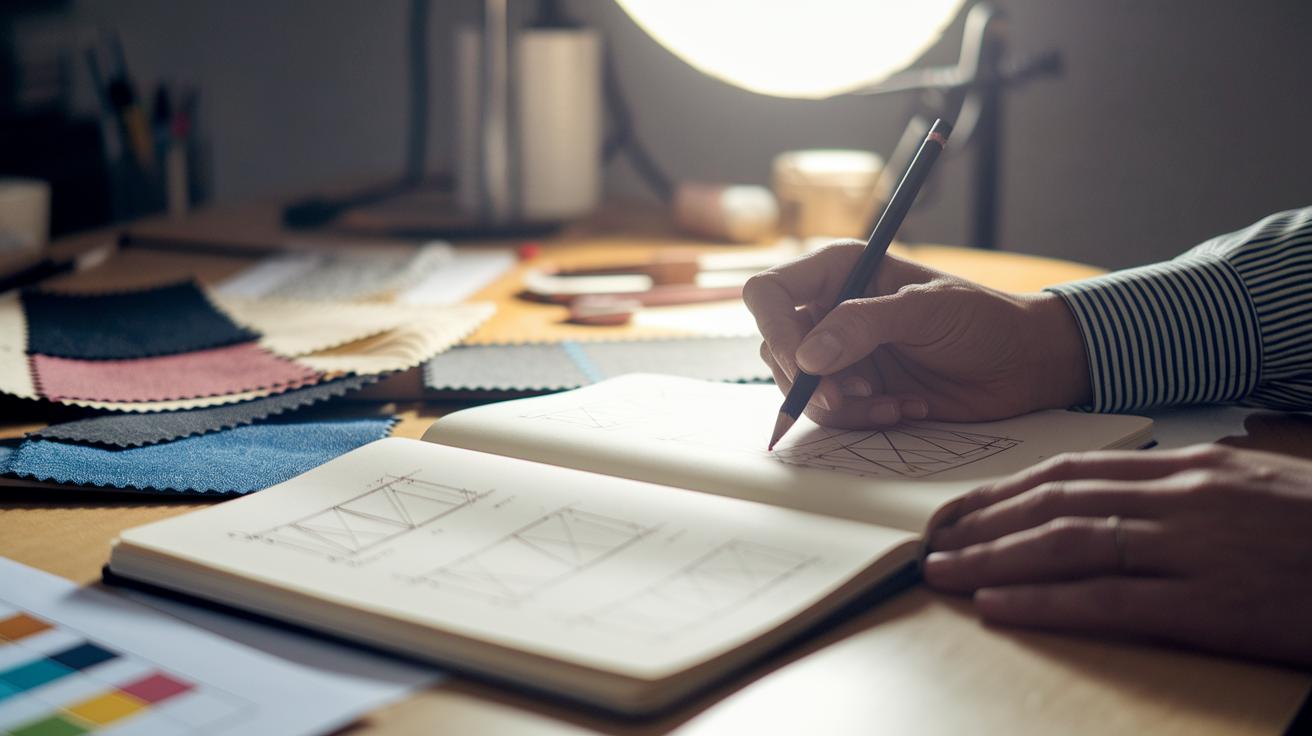
Sketches go way beyond simple rough ideas; they weave visual stories that map out your creative journey. Every hand-drawn or digital illustration pulls the viewer in, inviting them to uncover the spark and raw beginnings behind your designs. They set the perfect stage for fresh, innovative ideas to come alive.
When you work with freehand sketches, aim for clear, confident lines and thoughtful shading that add depth and personality. Play around with different techniques, experiment with angles that capture the flow of fabric and energy of movement. Each drawing is like a little window into your evolving design identity and personal style.
Digital tools like CAD renderings are your secret weapon for showing off technical skill and versatility. They let you refine your early ideas into a clean, unified style that complements your hand-drawn work. Blending traditional sketches with digital renderings not only enriches your portfolio’s story but also highlights your knack for combining creative intuition with technical precision.
Integrating Mood Boards and Fabric Swatch Displays in Portfolios
Mood boards and fabric swatch displays are must-have tools that truly bring your portfolio to life. They work like a visual journal, capturing your spark of inspiration, color choices, and the overall vibe of your design. Imagine the tactile touch of fabric or the subtle interplay of colors, that’s exactly what these elements convey.
They let potential clients and collaborators feel the texture and energy of your concepts. Plus, they guide the observer on a journey from that first creative flash to the final look.
Consider these steps:
| Step | Description |
|---|---|
| Selecting cohesive imagery | Gather visuals that speak the same design language. |
| Labeling color palettes | Tag each color with the mood and moment it represents. |
| Organizing swatches by theme | Group fabrics based on design themes for a clear narrative. |
| Adding annotations | Leave personal notes that tie ideas together. |
| Linking to final garments | Showcase how the initial inspiration becomes a finished piece. |
By seamlessly incorporating these boards into your portfolio layout, you not only highlight your creative process but also create a natural link from that initial burst of inspiration to the final execution. It’s like watching a story unfold, each element speaking to the next, making it fun, engaging, and undeniably relatable. And the fabric swatches? They add that extra sensory detail, inviting your audience to almost feel the intricacies of your vision with every glance.
Presenting Technical Drawings and Flat Sketches Effectively
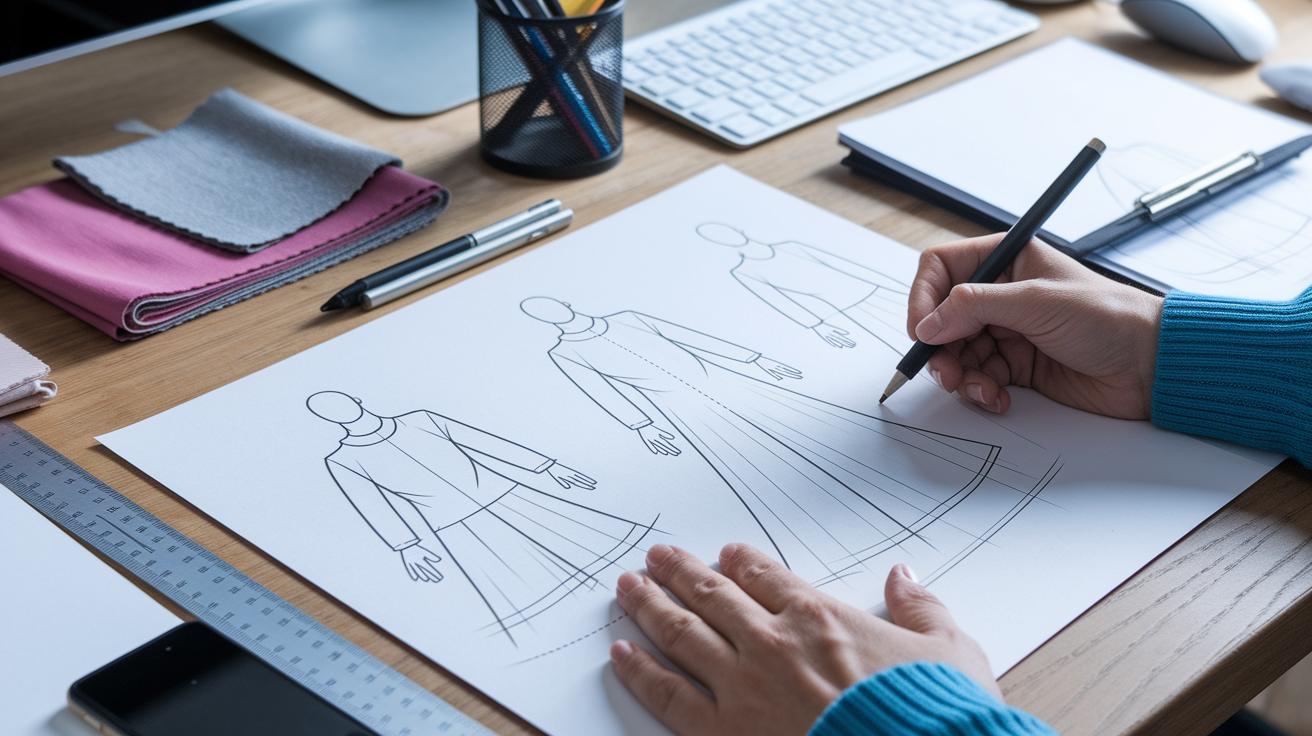
Technical drawings are the backbone of your fashion portfolio – they bring your creative vision into clear focus and show off the craftsmanship behind each design. They capture that magical moment when an idea transforms into a wearable piece of art, blending practical techniques with creative flair.
When you work on your technical drawings and flat sketches, keep your annotations clear and your construction notes detailed. Use consistent line weights and simple labeling to walk your audience through your design choices, like how you mastered a tricky drape or adjusted the fit perfectly. Consider these notes as a mini roadmap of your process, guiding the viewer step-by-step into your design world.
A clean portfolio layout makes all the difference, too. Imagine plenty of white space, refined typography, and minimalist backgrounds – just enough to let your drawings shine on their own. Every element should naturally guide the viewer’s eye, ensuring your technical brilliance speaks for itself without any distractions.
Organizing and Sequencing Fashion Design Portfolio Projects
Imagine your portfolio as a stage where your creative story comes to life. A well-ordered collection not only flaunts your top pieces but also guides your audience through the exciting evolution of your designs. Think of it as a visual journey that effortlessly reveals your growth, versatility, and the bold path ahead.
When picking projects, group similar works that spotlight specific themes or key skills. Each selection should truly shine as a testament to your creative process. It’s like drawing up a blueprint: every project builds on the last, creating a smooth progression that mirrors your evolving style. Don’t forget to include little notes on everything from the initial spark of an idea to intricate technical details, giving viewers a peek behind the curtain.
Next, focus on keeping the narrative flow seamless. Make sure you leave plenty of white space and stick to a consistent layout so every piece can breathe. Start with the project that perfectly captures your vibe, and then wrap things up with something daring that hints at where you’re headed. Each transition should feel natural, effortlessly leading your audience from one phase of your style to the next, and turning your portfolio into an engaging story of both technical prowess and creative insight.
Comparing Digital and Printed Fashion Design Portfolio Formats

Choosing the perfect portfolio style can really change how your work is seen. Digital portfolios are an effortless, low-cost way to keep your work fresh and share it with a global audience instantly. They’re fantastic when you need to make quick tweaks or share your designs remotely through user-friendly platforms that highlight your creativity. On the flip side, printed portfolios bring a tangible, sensory experience that digital formats just can’t match. The feel of the paper and a thoughtfully curated presentation create a warm, personal vibe during face-to-face meetings, making your work memorable.
| Digital Portfolio | Printed Portfolio |
|---|---|
| Cost-effective updates | Higher production cost, limited updates |
| Global reach and instant accessibility | Local access with a personal touch |
| Smooth interactivity via various devices | Tactile experience, evoking sensory details |
| Uniform, dynamic presentation online | Customizable presentation for in-person impact |
For quick, wide-reaching updates, digital portfolios are the way to go. But if you’re heading into an in-person interview, a printed portfolio adds that extra hands-on charm, giving your creative story a real, personal impact.
Adding Personal Branding and Resume Highlights to Your Portfolio
Start by creating a creative bio that tells your story in a way only you can. Share the experiences that have shaped your style, whether it was discovering vintage gems or that standout moment on a crowded runway. Be specific and let your personality shine through. Add a custom logo, a unique color palette, and consistent typography to bring your work together. These touches not only spark a memorable first impression but also show your dedication to a cohesive, professional look.
Next, set up a resume section that confidently highlights your technical skills and real-world achievements. List your education, note your software know-how, and include internships or awards that make your story complete. Doing this gives your portfolio a perfect blend of creative flair and professional expertise, like pairing the perfect accessory with a stunning outfit.
Using Case Studies and Narrative Techniques in Fashion Portfolios
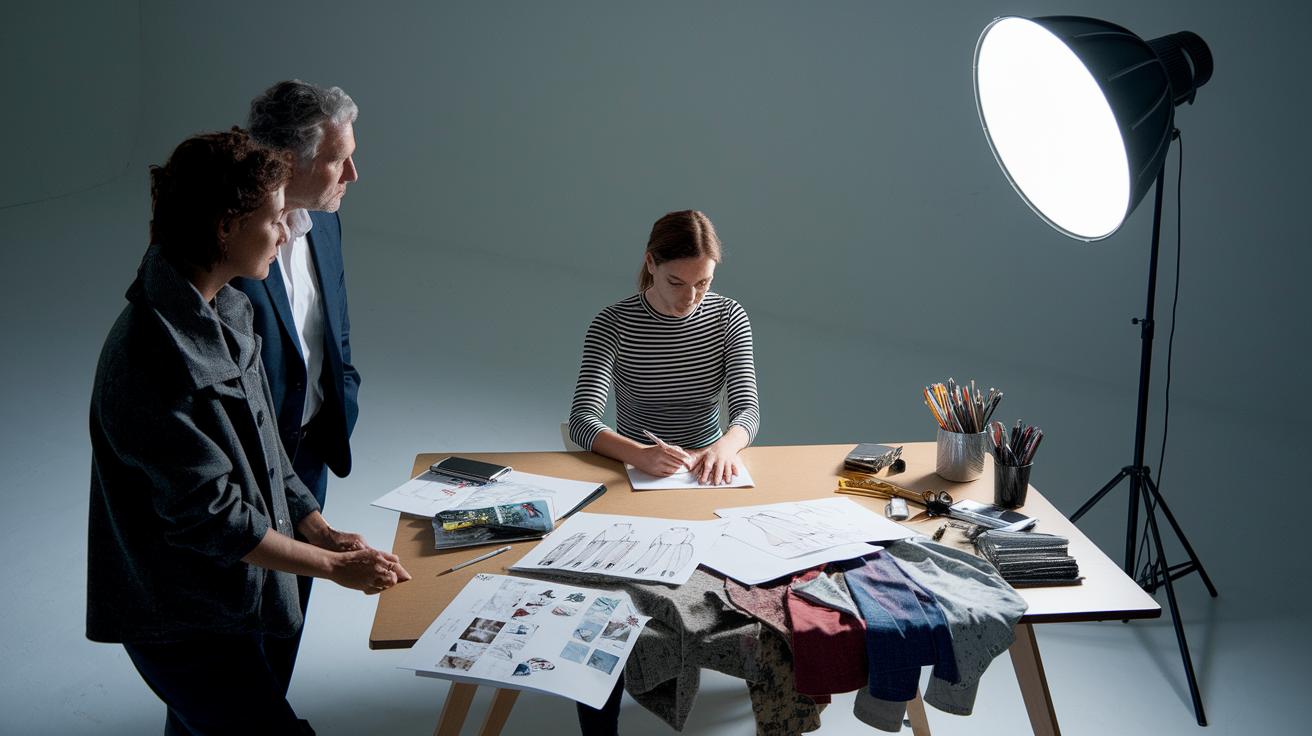
Case studies are more than snapshots, they’re an open invitation into your creative journey. They let you show off your unique style while revealing how you tackle design challenges like stubborn drape issues, unexpected fit problems, or sourcing headaches. Every case study is its own mini-portfolio, walking viewers through your goals, the research fueling your ideas, and how your designs bloom from a simple spark into a stunning garment.
Defining Your Brief
Start by laying out clear objectives backed by solid research. Share the problem you faced and the creative questions that drove your project, maybe it was finding a way to tackle a tricky fit or experimenting with a fabric’s unusual behavior. This honest, step-by-step approach gives your audience a real glimpse into how you think about every choice. For instance, if your brief involved overcoming sourcing challenges or pioneering fresh patternmaking ideas, let that shine through.
Documenting the Process
Next, take your reader behind the scenes by mapping out your process. Walk them through your timeline, your evolving sketches, and every little revision that nudged your project closer to perfection. Mention those moments when a challenging drape or a pesky fit issue sparked a clever adjustment in your design. This detailed narrative shows your dedication to refining each idea and your ability to bounce back from setbacks.
Showcasing Outcomes
Finally, present your finished creation along with a few reflections on what the project achieved. Talk about how your early research and ongoing tweaks turned into a practical, stylish garment. Your case studies do more than display the final product; they tell a story of feedback, evolution, and a true passion for design.
Weaving these narrative techniques together not only highlights your technical skills but also invites viewers to experience your design story as it unfolds, from concept to runway-ready masterpiece.
Final Presentation Tips and Portfolio Review Strategies
Before your portfolio goes live, give it one last thorough look. Think of this final review as the ultimate tune-up, ensuring every font, color, and layout choice perfectly reflects your creative vision.
Now's your chance for some honest self-editing. Step back, breathe, and inspect your portfolio with fresh eyes. Ask yourself, "Does each piece really tell my story?" A clean, well-organized layout lets every element shine and gives viewers ample space to appreciate the work.
Don't forget to tap into the wisdom of others. Reach out to mentors, peers, or industry insiders for genuine feedback. Their fresh perspective might highlight small tweaks that make a big difference, and it shows you're serious about continuous improvement.
Finally, customize your portfolio to suit different roles or clients. Tailoring your presentation for specific opportunities not only highlights your versatility but also makes each version feel distinctly crafted and purpose-driven.
Final Words
In the action from combining creative bios, hand-drawn sketches, mood boards, and technical drawings, you’ve explored how each element shapes a portfolio that speaks volumes. Your deep dive into sequencing projects and integrating narrative techniques shows that every detail matters.
Remember to use fashion design portfolio examples (what to include) like technical drawings and mood boards to bring your unique process to life. Keep customizing your approach, and let your authentic style shine through for a bright horizon in the design world.
FAQ
What should be included in a fashion portfolio PDF and are there free examples available?
The fashion portfolio PDF outlines key components such as a creative bio, impactful projects, diverse sketches, mood boards, technical drawings, fabric swatches, and resume highlights. Free examples online can guide you.
What makes a great fashion design portfolio for university applications?
The university portfolio showcases a creative process with detailed sketches, technical drawings, mood boards, and a personal narrative. It highlights quality work that reflects innovation and practical design skills.
What fashion portfolio theme ideas work best?
The best portfolio themes reflect your unique style and project evolution by curating work that tells a cohesive story and invites viewers to experience your creative journey.
How do I make a fashion portfolio with no experience?
The approach for a no-experience portfolio is to include school projects, self-initiated designs, and exploratory concepts. It emphasizes passion, learning, and creative potential to make a strong impression.
How do I create a fashion portfolio for a job interview?
The job interview portfolio should focus on projects that demonstrate both creative vision and technical skills. Include a sharp creative bio, detailed sketches, and technical drawings while tailoring content to the role.
What should be included in a fashion design portfolio?
The design portfolio should include a creative bio, standout project features, a varied sketch collection, mood boards, technical drawings, fabric swatches, and resume highlights, forming a comprehensive view of your creative process.
What are the 7 elements of fashion design in a portfolio?
The seven elements in a fashion portfolio typically consist of a creative bio, signature project features, sketch compilation, mood boards, technical drawings, fabric swatches, and resume highlights, all forming a dynamic design narrative.
What should I avoid in a portfolio?
The advice for avoiding pitfalls in a portfolio centers on steering clear of clutter and repetitive content. Keep your presentation focused on quality work and clear narratives for maximum impact.