

Ever wondered what makes fast fashion so irresistibly cheap? It's almost like magic spotting a trendy top for under $20, but there's a clear, behind-the-scenes breakdown of costs. These brands cut corners by using rapid production methods, affordable materials, and paying lower wages. Today, we'll walk through the numbers and reveal exactly how every cost factor plays a part in that budget-friendly price. Stick with us, you might be surprised at how these small tweaks add up to such a steal.
Fast Fashion Cost Breakdown: Understanding Why Fashion Is So Cheap
Fast fashion labels are churning out new looks every single week, taking cues from the runway while keeping costs down to a trick. They often cut corners on things like labor and materials so that each piece can run under $10–$20.
The whole process is built on quick production methods, smart logistics, and lean operations that push profit margins to the limit. Every cost is managed carefully to keep the price per item super low. It’s kind of like the secret behind that irresistible price tag on your new top.
| Cost Component | % of Retail Price | Typical Range |
|---|---|---|
| Labor | 20–40% | Low wages, high volume |
| Materials | 30–50% | Cheap synthetics vs. costly naturals |
| Logistics | 5–10% | Bulk shipping, centralized distribution |
| Overhead | 10–20% | Minimal infrastructure costs |
| Profit Margin | 10–20% | Tight margins recouped by volume |
When all these pieces come together, they can offer clothing for less than $20. For example, by cutting expenses on labor and choosing less expensive materials, the base cost plummets. Then, by saving even more on logistics and overhead, the price shrinks even further. A little profit margin is enough when each design is sold in huge numbers, turning every new drop into a big turnover moment. Pretty cool, right?
Fast Fashion Labor Cost Analysis: Overseas Wage Advantages
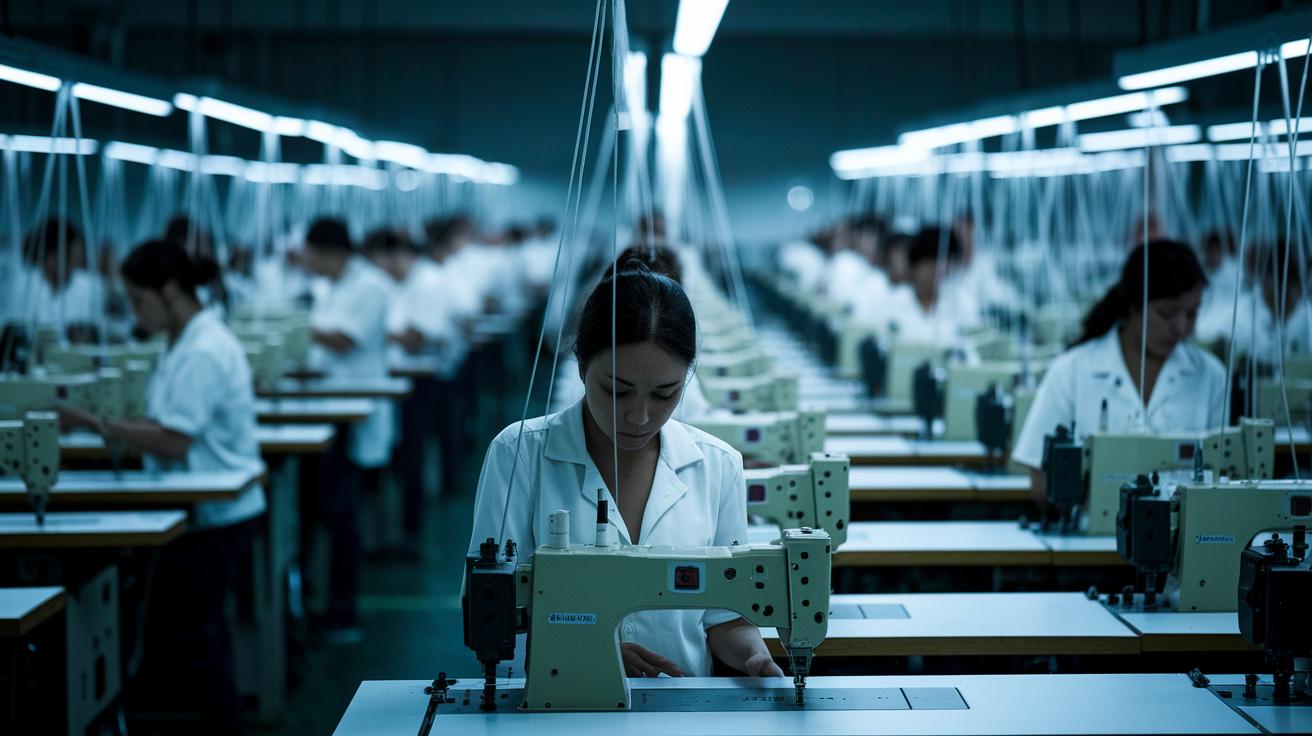
Fast fashion brands often opt to manufacture their clothing in places where wages are incredibly low. They purposely move production overseas to tap into labor markets where a day’s earnings can be less than $3 – a sum that barely covers basic living costs.
Instead of seeing labor as a valuable partner in creativity, these companies treat it as a cost to cut. They lean on practices like piece-rate pay, unpaid overtime, and the absence of benefits to keep every dollar spent to a minimum. In the drive to keep prices rock-bottom, the system ends up taking a huge toll on the workers behind the scenes.
This strategy isn’t just a business move – it comes with a heavy human price. In many cases, vulnerable groups such as women and children bear the brunt of these practices, working in harsh and unsafe conditions for meager pay.
- Underpaid daily wages
- Piece-rate compensation
- Mandatory overtime without pay
- Use of child or forced labor
- Absence of health and safety protections
The very low price tags on fast fashion items hide a somber truth. Every bargain outfit carries the weight of a labor system pushed to its extremes, leaving many workers struggling to earn a livable wage.
Cheap Material Sourcing in Fast Fashion
Fast fashion brands lean heavily on synthetic materials like polyester and nylon because they're super budget-friendly compared to natural fibers such as cotton or wool. Manufacturers love that these man-made fibers can be produced quickly and on a large scale at a fraction of the cost. In simple terms, choosing polyester over cotton is a clever way to keep prices low when every penny matters.
Natural fibers, on the other hand, come with a hefty price tag in more ways than one. For instance, making a single cotton T-shirt can use up roughly 2,700 liters of water. So, opting for cheap synthetics is often the go-to choice to satisfy high demand without breaking the bank.
But here’s the catch: while these materials are cost-effective, they come with hidden environmental baggage. Every wash of synthetic fabrics releases tiny microplastics that accumulate in our soil and waterways, posing a long-term threat to our planet. Even though these costs might not show up on the price tag, their impact on the environment is something we can’t ignore.
Fast Fashion Supply Chain Efficiencies & Scale Economics
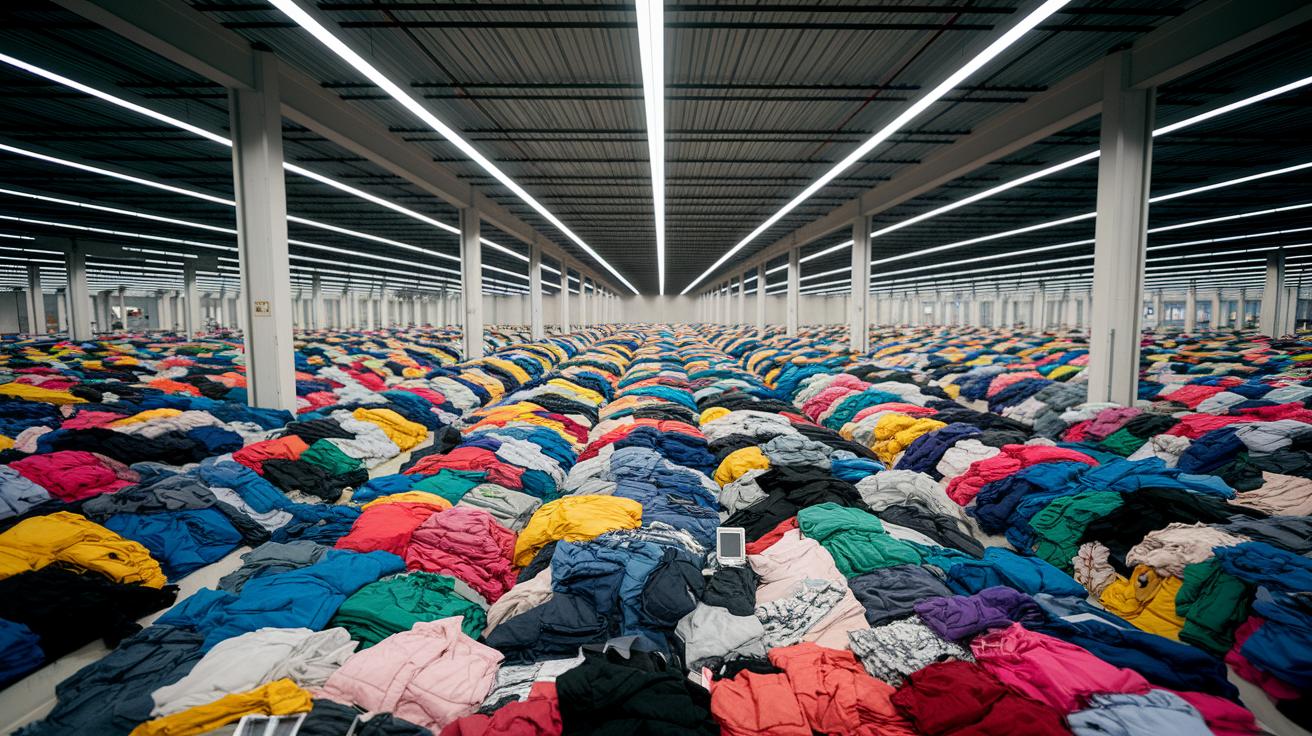
Fast fashion runs on high-volume production that keeps prices incredibly low. Brands drop thousands of new designs every month, sparking customer excitement while slashing the costs of holding extra stock.
At the heart of this model is bulk buying teamed with just-in-time production and a central hub for warehousing. Companies order materials in massive quantities to reel in discounts on both materials and shipping, drastically cutting the cost per item. Just-in-time production ensures that items are made and delivered right when they are needed, so storage fees nearly vanish. Meanwhile, global distribution centers act as key stations that keep the whole chain humming smoothly. Imagine every step, from raw fabric to the finished piece, working in perfect harmony to minimize delays and waste. This agile network helps the production line stay flexible and cost-efficient, making it easy to roll out fresh styles in a flash.
Speed is also a major factor. With rapid design-to-store cycles and quick turnover of their collections, fast fashion labels manage to reduce the typical expenses that come with last season's inventory. Thanks to streamlined logistics, companies can quickly adjust their orders and switch to the latest trends. It is like an endlessly refreshed assembly line that makes just enough to meet demand while keeping everything lean and nimble.
Cheap Pricing Strategies in Fast Fashion Business Models
Fast fashion labels keep their profit margins super slim, usually just 5% to 10% per item, and they bank on selling huge volumes to stay profitable. They mix pricing levels smartly, offering everything from everyday basics at unbeatable prices to slightly pricier premium collections designed to catch the eye of true trendsetters. It’s all about making sure there's something to fit every budget. Plus, they run lively clearance sales that help move out seasonal or extra stock without ruining their reputation for affordability. Imagine snagging a high-end look for a fraction of the cost, it's a perfect blend of perceived quality and smart savings.
Then there's the buzz around scarcity marketing and limited-edition launches. Fast fashion brands often roll out special "wear-it-once" campaigns where new items are only available for a short window, pushing shoppers to act fast. This sense of urgency not only sparks immediate purchases but also keeps products moving before they lose their charm on the shelves. With fresh drops coming in so quickly, each release feels special even if there are plenty of them available. It turns every shopping trip into an exciting, non-stop cycle of new discoveries and anticipation for the next must-have piece.
Hidden Costs Behind Cheap Fast Fashion: Ethics & Environment
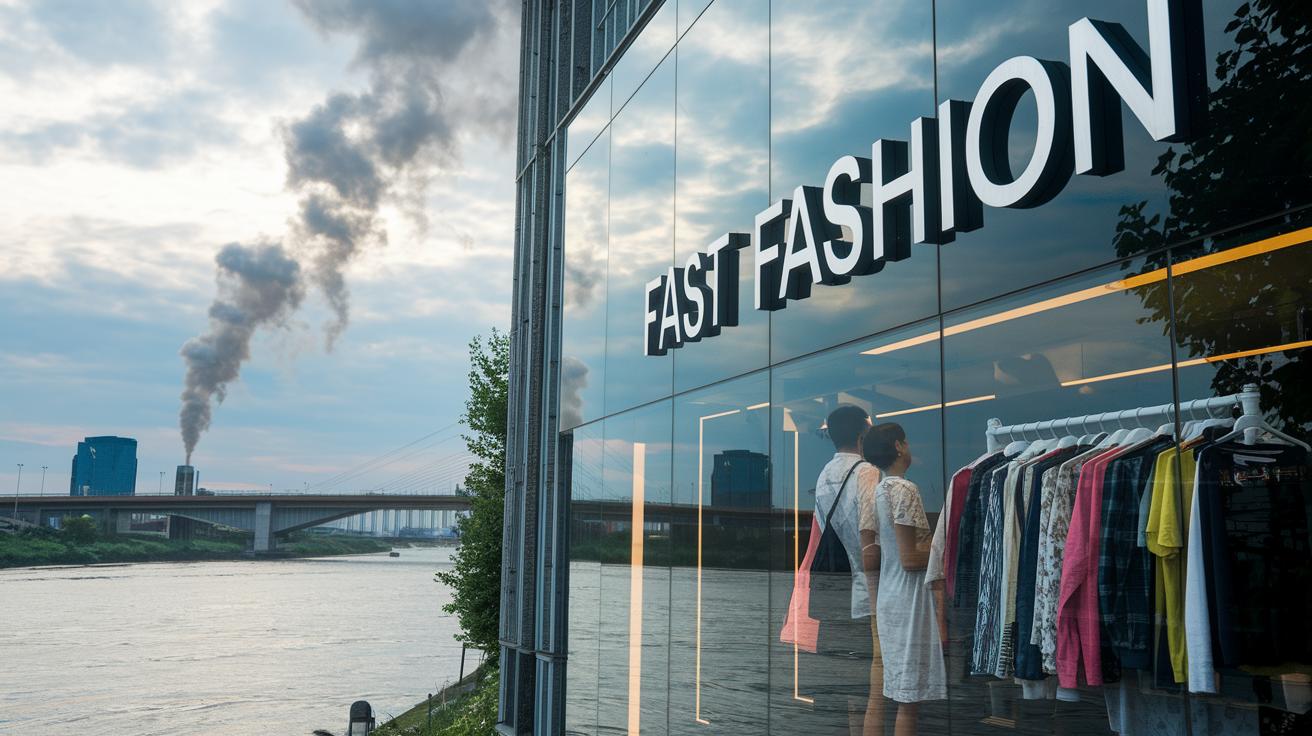
At first glance, fast fashion looks like an absolute bargain. But let’s be honest, the price we pay for those inexpensive pieces goes far beyond our wallets. The fashion world is responsible for nearly 10% of global carbon emissions, and even that one low-cost item can lead to dangerous water pollution. Think about it: each wash of synthetic fabrics releases microplastics into our rivers and oceans. It’s not just a number, it’s a vivid reminder that our pursuit of cheap trends is harming the planet in ways we can no longer ignore.
Many brands in this industry sidestep strict environmental and labor standards just to cut costs. Factories, often hidden from our view, use risky dyeing methods and maintain murky supply chains while skimping on worker safety. The outcome is a blend of toxic waste and underprotected employees, a secret price tag that no one sees when they make a purchase. Imagine buying a dress knowing that behind its low cost lies a series of ethical and environmental compromises that affect both people and ecosystems.
There is, however, a glimmer of hope. Circular-fashion solutions, think repair, resale, and recycling, are gaining ground, giving these issues a stylish counterbalance. These practices extend the life of garments, reduce the need for constant new production, and help lower the overall environmental impact. Next time you shop, consider that little extra effort to choose sustainability might just be the trend that makes a real difference.
Final Words
In the action, we broke down why fast fashion is so cheap (cost breakdown) by examining labor shortcuts, low-cost materials, and efficient supply chains that slash each cost segment. We saw how bold production volumes and minimalist margins pull retail prices under $20. Each element, labor, materials, logistics, overhead, and slim profit margins, plays a key role in delivering ultra-affordable styles. The insights shared remind us that even under tight costs, staying informed can spark smarter choices and a fresh take on personal style. Stay inspired and keep setting trends.
FAQ
Why is fast fashion so cheap and what makes it affordable?
Fast fashion’s low retail price comes from cutting expenses on labor, materials, logistics, and profit margins. Brands use economical synthetics and rapid production to keep costs under control.
What is the true cost of fast fashion?
The true cost of fast fashion involves hidden environmental damage and compromised labor conditions. Low price tags often hide issues like underpaid work and pollution that affect communities and ecosystems.
What is the 3-3-3 rule for clothes?
The 3-3-3 rule advises wearing a new garment three times before deciding to repurpose or recycle it. This simple method helps extend a garment’s life and reduce waste.
Why is nothing made of 100% cotton anymore?
Today, brands combine cotton with synthetic fibers to lower production costs and boost durability. These blends are more cost-effective than using pure cotton, changing the fabric composition of many garments.
Is fast fashion worth the cost?
While fast fashion offers attractive price points, its hidden ethical and environmental drawbacks can outweigh the savings. Consumers should weigh these long-term impacts against the immediate benefits of low prices.