

Ever wondered if your smartwatch could do more than just tell time? Today’s wearable tech is transforming our lives with smart AI, precise sensors, and sleek designs that feel just as cool as they look. Imagine a device that not only tracks your heart rate and oxygen levels but also gives you a gentle nudge toward a healthier routine.
Take, for example, the latest from Apple, the Apple Watch Series 10, which pushes the boundaries and makes everyday tech feel straight out of the future. And there’s more. Emerging trends include smart rings that last for days and VR gear that's completely reinventing the gaming scene. The future of wearable tech is truly exciting.
Wearable Tech Trends: Key Insights and Future Outlook
Wearable tech is evolving fast. In 2025, these devices mix clever AI with advanced sensors and fresh designs. Picture a gadget that tracks your heart rate, blood oxygen, or even skin temperature while staying connected all day long. The new Apple Watch Series 10, for example, delivers clinical-grade readings like an ECG in a way that feels almost futuristic.
Then there are other emerging shapes. Imagine a smart ring that lasts a whole week or smartglasses equipped with tiny displays and motion sensors for seamless connectivity. VR wearables are also making a big splash, the gaming world generated about 9.55 billion dollars in 2022, and experts predict that by 2024 the global VR headset market will top 38.7 billion dollars with a growth rate of around 41% annually. Big names like Apple, Samsung, Meta, Google, and Sony are constantly shaking things up by improving materials and interfaces.
- AI-powered personalization and virtual coaching
- Clinical-grade health monitoring and biosensors
- New form factors such as rings, glasses, clothing, and even implantables
- Enhanced connectivity through Bluetooth LE, 5G, and edge computing
- Sustainable materials paired with flexible electronics
These innovations are changing the way we live and work. Wearables are no longer just gadgets; they have become essential tools for managing our health and staying connected. With a heady mix of smart AI, reliable sensors, and innovative design, these devices are quickly turning into must-have companions in our digital world.
AI Integration and Smart Sensors in Wearable Tech Trends
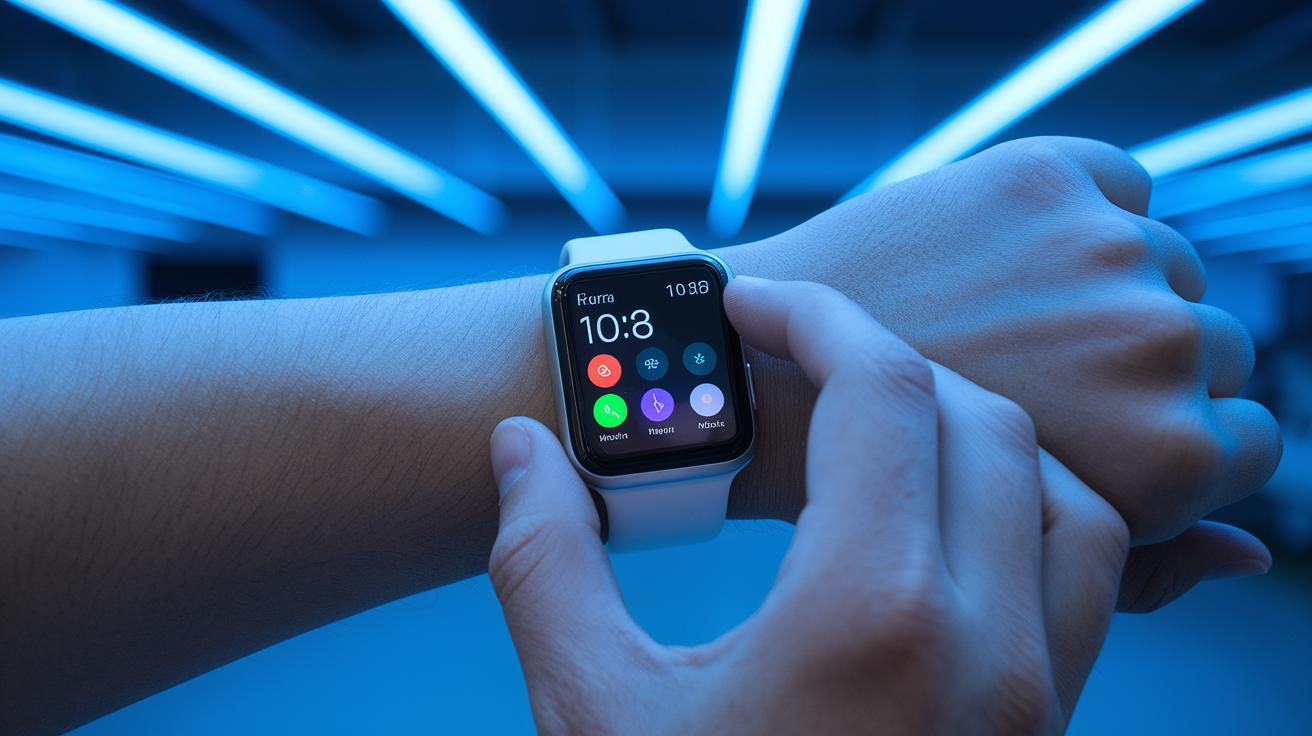
Biometric and Environmental Sensors
Wearable tech is stepping up its game with sensors that offer clinical-grade precision in everyday devices. With new chipsets handling on-device processing, your wrist becomes a hub for constant health updates, like a high-tech dashboard for your body. Whether it's tracking sweat, hydration levels, or core temperature, these sensors deliver accuracy and comfort while also offering a peek into mental wellbeing. And thanks to upgrades like Bluetooth LE, 5G, and IoT, your data syncs instantly, keeping your health insights as responsive as they are innovative.
AI-Driven User Interactions
Generative AI is adding a whole new vibe to wearables by turning them into personal health companions. Imagine having a mini expert on your wrist that detects subtle changes and even offers real-time virtual coaching, almost like having your best friend share stress-busting tips mid-run. This smart system uses on-device machine learning to turn raw data into personalized advice that adapts as you do. It's not just about recording metrics; it's about transforming them into actionable insights that keep pace with your lifestyle.
Health Monitoring Wear Evolution in Wearable Tech Trends
AI-powered digital health twins are changing the game by creating a virtual mirror of your wellbeing. They constantly mix in your biometric data to offer more than just basic tracking. Instead, you get a personalized snapshot of your health along with friendly guidance. Picture this: your digital twin spots a slight irregularity in your heartbeat and gently nudges you to schedule a check-up even before any symptoms arise.
Thanks to advanced sensors and smart operating systems, emergency management has taken a giant leap forward. Today’s wearables come equipped with fall detection, emergency SOS alerts, and chronic care support, all backed by firmware built to respond quickly. Imagine a tiny guardian on your wrist that not only keeps a detailed eye on your vitals but also instantly reaches out for help when you need it most.
Top models like the Apple Watch Ultra 2, Fitbit Charge, and Garmin trackers are leading the way with clinical-grade features. These devices record everything from ECGs to blood oxygen levels and even track your sleep patterns, all while sending proactive alerts during critical situations. In other words, think of it as a trusted companion that monitors your daily wellness and acts fast in emergencies, keeping you safe every step of the way.
Form Factor Innovations in Wearable Tech Trends

Wearable tech is turning heads with its fresh and futuristic designs. These gadgets aren’t just add-ons; they bring real function to your day with smart monitoring and intuitive interactions. Picture a smart ring that keeps tabs on your heart rate and sleep patterns, or a pair of smart glasses that mix augmented reality with subtle health sensors, all wrapped in a lightweight, chic frame.
Then there’s smart clothing that tracks your heartbeat and breathing, along with implantable tech that even lets you make contactless payments. And let’s not forget head-mounted displays like the Vision Pro, which blend digital content with the real world in a way that feels almost magical.
| Device Type | Key Feature | Battery Life |
|---|---|---|
| Smart Ring | Heart & Sleep Insights | About 1 Week |
| Smart Glasses | AR and Health Sensors | 8-10 Hours |
| Smart Clothing | Cardiac and Respiratory Data | Lifetime of the Garment |
| Implantable | Contactless Payments | Indefinite |
| HMD (Vision Pro) | Spatial Computing | 2-3 Hours |
This new wave of design is setting a high bar for integrating tech into everyday life. The focus now is on sleek, comfortable designs that work hard without getting in your way. Every update brings us one step closer to a world where personal wellness and digital interaction blend naturally, making life not only more connected but also a lot more stylish.
Market Growth and Adoption of Wearable Tech Trends
Global numbers show that wearable tech is really making its mark across a variety of devices. Take VR gaming, for example, it brought in about USD 9.55 billion in revenue in 2022, and forecasts suggest the VR headset market could hit nearly USD 38.7 billion by 2024, growing at a striking 41.0% a year. Smartwatches continue to lead the pack, with brands like Apple, Samsung, and Garmin pushing boundaries by introducing AI-driven health features. Meanwhile, fitness trackers like the Fitbit Charge and various Garmin models combine easy notifications, mobile payments, and deep analytics, and Whoop’s subscription model dives into detailed physiological insights. Traditional fitness bands might be growing at a slower pace, but emerging smart rings and smartglasses blend discreet design with innovative functions. For a closer look at these trends, check out the "Trend Analysis" link: https://bloomednews.com?p=230.
Looking ahead, industry forecasts paint an exciting picture. Premium device sales and expanding markets, especially in Asia-Pacific and Europe, are expected to drive strong revenue growth. Next-generation wearables are set to reshape what we expect from our gadgets, offering not only everyday practicality but also new business opportunities. There’s a rising demand for devices that provide seamless connectivity and personalized health monitoring. As more people adopt these technologies, studies from "Fashion Trend Forecasting" (https://bloomednews.com?p=161) indicate that the perfect mix of affordability and breakthrough features will be key to future success. Companies are refining their product ecosystems and working hard on improving how devices work together and deliver more accurate data, all of which is set to boost market penetration and push the wearable tech scene even further.
Wearable Tech Trends Spark Bright Possibilities
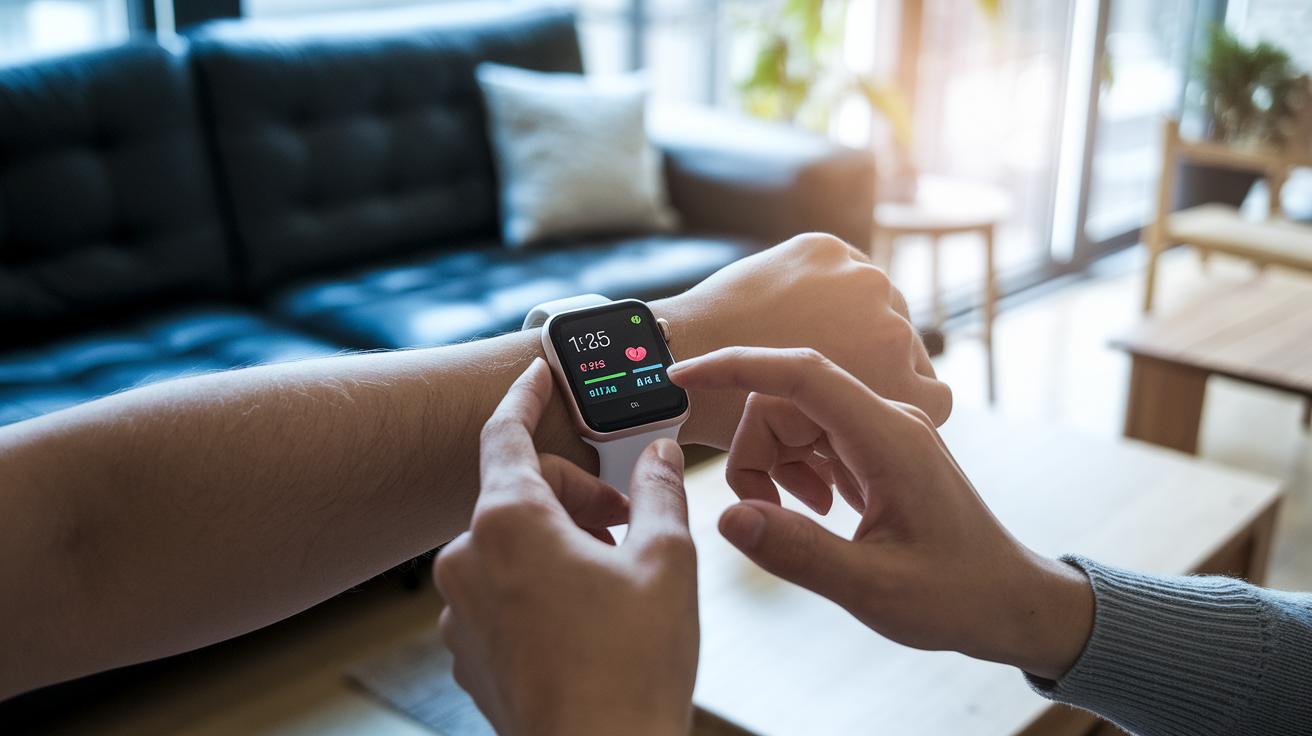
Wearable devices are creating a buzz as they blend fashion and function, but let's be honest, there's a lot to unpack. These sleek gadgets track everything from your heart rate to your body temperature, and with that comes a heap of concerns around personal data security. Think about it: all that sensitive information is stored and transmitted, making it a prime target for unauthorized access. Plus, current regulations just aren’t keeping up with the pace of innovation. This means we see gaps in how devices communicate, clear data-handling rules, and ensuring compliance across borders, all while battery life struggles and unexpected distractions sometimes throw a wrench in our daily routines.
Looking ahead, the mix of AI with wearable tech is lighting the way to smarter and more secure devices. Companies are now experimenting with low-power circuits and sustainable materials that promise not only longer-lasting gadgets but also a gentler environmental footprint. Enhanced algorithms are coming into play to sniff out potential threats in real time, giving data protection a major boost. And as efforts intensify to set stronger industry standards, manufacturers are being encouraged to follow more robust protocols. It’s an exciting turn of events that signals a future where wearables are not just clever accessories, they become essential, reliable partners in our everyday lives.
Final Words
In the action, wearable tech continues to reshape our everyday style with AI-powered health insights, smart sensors, and groundbreaking form factors. The blog highlighted how devices like smart rings, innovative smartglasses, and next-gen smartwatches are setting the pace.
These wearable tech trends bring a blend of practicality and chic appeal to modern living. Innovations are driving forward both personal expression and robust functionality. Embrace these shifts and feel confident stepping into a future filled with endless style possibilities.
FAQ
What does the future of wearable technology in healthcare signify?
The future of wearable technology in healthcare signifies advanced AI integration with smart sensors, real-time biometric tracking, and digital health twins that help monitor, predict, and manage personal health conditions.
What are examples of wearable technology and how many types exist?
Common examples of wearable technology include smartwatches, fitness trackers, smart rings, smart glasses, smart clothing, implantables, and VR headsets, reflecting around 10 to 12 distinct types transforming everyday life.
What new wearable technology features are expected by 2025?
New wearable technology by 2025 is expected to combine generative AI, improved sensor accuracy, innovative form factors like smart rings and glasses, and enhanced connectivity for more personalized and responsive user experiences.
How is the wearable technology market evolving in terms of growth and size?
The wearable technology market is experiencing rapid growth, driven by premium device sales and regional expansion, with smartwatches leading the sector and new form factors contributing to a significant increase in market size.