
Ever wonder if your wardrobe does more than just reflect your style? Fast fashion is like grabbing a quick bite – fast, trendy, and easy on the wallet – while slow fashion focuses on crafting pieces that truly stand the test of time. The two approaches are worlds apart: one chases speedy looks and low prices, while the other values quality and careful craftsmanship. In this chat, we'll dive into these different styles and explore why trading quantity for quality might just transform your shopping game.
fast fashion vs slow fashion (key differences): Inspiring
Fast fashion and slow fashion paint two very different pictures in the world of style. Fast fashion barely takes a breath between trends, churning out looks in just a couple of weeks that mimic designer styles without breaking the bank. It’s like grabbing a trendy snack on the go. Meanwhile, slow fashion takes its time – think months of careful planning to create pieces that feel both timeless and responsibly made through recycled, organic, or locally sourced fabrics. Every purchase becomes a choice between fleeting trends and lasting quality.
The vibe goes way beyond the surface. Fast fashion is all about speedy trends and massive production, often cutting corners when it comes to durability and ethical work conditions. Imagine a catchy tune that plays for a bit and then fades away. On the other hand, slow fashion is deliberate and focused on lasting appeal. Its designs are crafted with care, promising pieces that look great season after season, while also reducing waste and embracing a more ethical approach. It’s like choosing a handcrafted piece over a mass-produced bargain – every stitch tells a thoughtful story.
| Attribute | Fast Fashion | Slow Fashion |
|---|---|---|
| Cycle Length | Quick (as short as 2 weeks) | Extended (measured in months) |
| Production Volume | Mass-produced, high output | Limited, carefully curated |
| Material Quality | Trend-driven, lower quality | Durable with ethical sourcing |
| Cost | Budget-friendly (Affordable Fast Fashion Brands) | Higher, reflecting sustainable choices |
| Environmental Focus | Less focus on eco-friendly methods | Lower carbon footprint with sustainable materials |
| Labor Conditions | Often compromised | Fair and transparent practices |
Ultimately, these differences go to the heart of why we choose what we wear. Fast fashion trades lasting quality for quick style, while slow fashion champions ethical production and durability. Recognizing these nuances can help you build a wardrobe that not only looks great but also makes a positive impact on the world.
Production Practices in Fast Fashion vs Slow Fashion
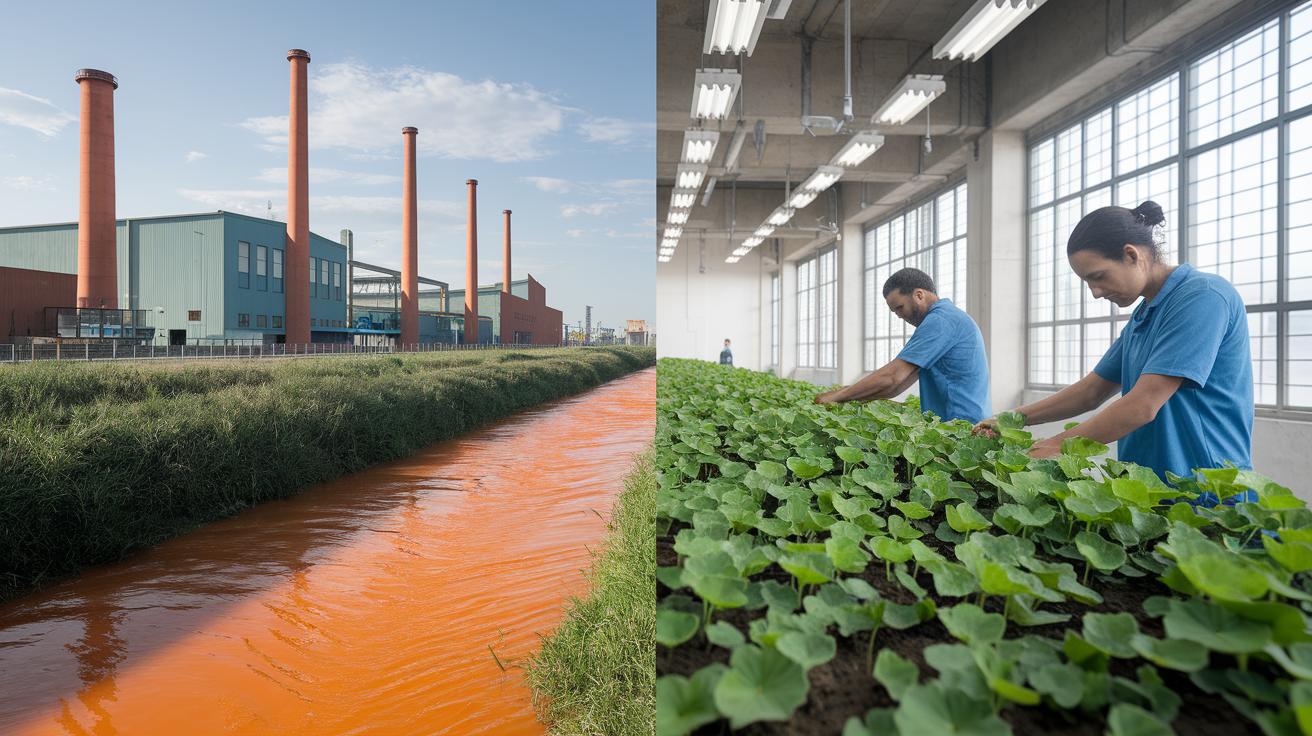
Fast fashion kicks off with rapid production speeds, pumping out huge quantities using low-cost materials like polyester and synthetic fibers. These materials can be resource heavy and sometimes end up polluting waterways with chemical runoff and microplastics. In contrast, slow fashion takes it easy by sourcing organic and recycled fabrics like natural cotton and linen, reducing water usage and boosting overall quality.
Water matters a lot in both worlds. Fast fashion often leads to polluted water because the dye effluents aren't treated enough. Meanwhile, slow fashion brands invest in closed-loop systems that recycle water throughout production, cutting down on chemical discharges.
Here's a quick snapshot of their differences:
| Aspect | Fast Fashion | Slow Fashion |
|---|---|---|
| Cycle Time | Collections launched in weeks | Collections take months |
| Material Source | Cheap, chemical-based materials | Eco-friendly, natural fibers |
| Waste Management | High waste output | Strict waste controls |
| Chemical Use | Aggressive dyes and treatments | Minimal, careful chemical use |
| Supply Chain | Opaque and hard to trace | Transparent and thoroughly audited |
In the end, being accountable in the supply chain really makes a difference. Transparent sourcing and solid control measures help maintain ethical practices and take care of our environment throughout production.
Environmental Impact of Fast Fashion vs Slow Fashion
Fast fashion is notorious for its huge environmental toll. Just think about it – making one T-shirt can drain around 2,700 liters of water. That’s an incredible use of a resource we can’t afford to waste. And it gets even messier. U.S. textile waste shot up from 6.2 million tonnes in 2000 to 11.3 million tonnes in 2018, and globally, as much as 85% of textiles end up buried in landfills every year. It’s clear that the fast fashion model isn't just about water – it leaves a trail of waste that impacts the environment on multiple levels.
Here’s a quick rundown of the main issues:
- Water Consumption: Each garment guzzles down more water than you might expect, putting pressure on our water supplies.
- Carbon Emissions: The production process pumps out a lot of greenhouse gases, contributing heavily to climate change.
- Landfill Rates: Overproduction leads to mountains of waste piling up, with many discarded items never seeing a second life.
- Microplastic Release: Synthetic fabrics shed tiny plastic fibers during washes that wind up polluting rivers and oceans.
- Chemical Runoff: Aggressive dyeing techniques let harmful chemicals seep into our waterways, posing a serious threat to ecosystems.
On the flip side, slow fashion is turning the tables with a mindful approach. This trend champions biodegradability, durability, and circular-economy programs that help breathe new life into old garments. By focusing on closed-loop systems and careful production practices, slow fashion not only trims water and carbon footprints but also sets a refreshing new standard for sustainability in the world of apparel.
Ethical and Labor Realities in Fast Fashion vs Slow Fashion
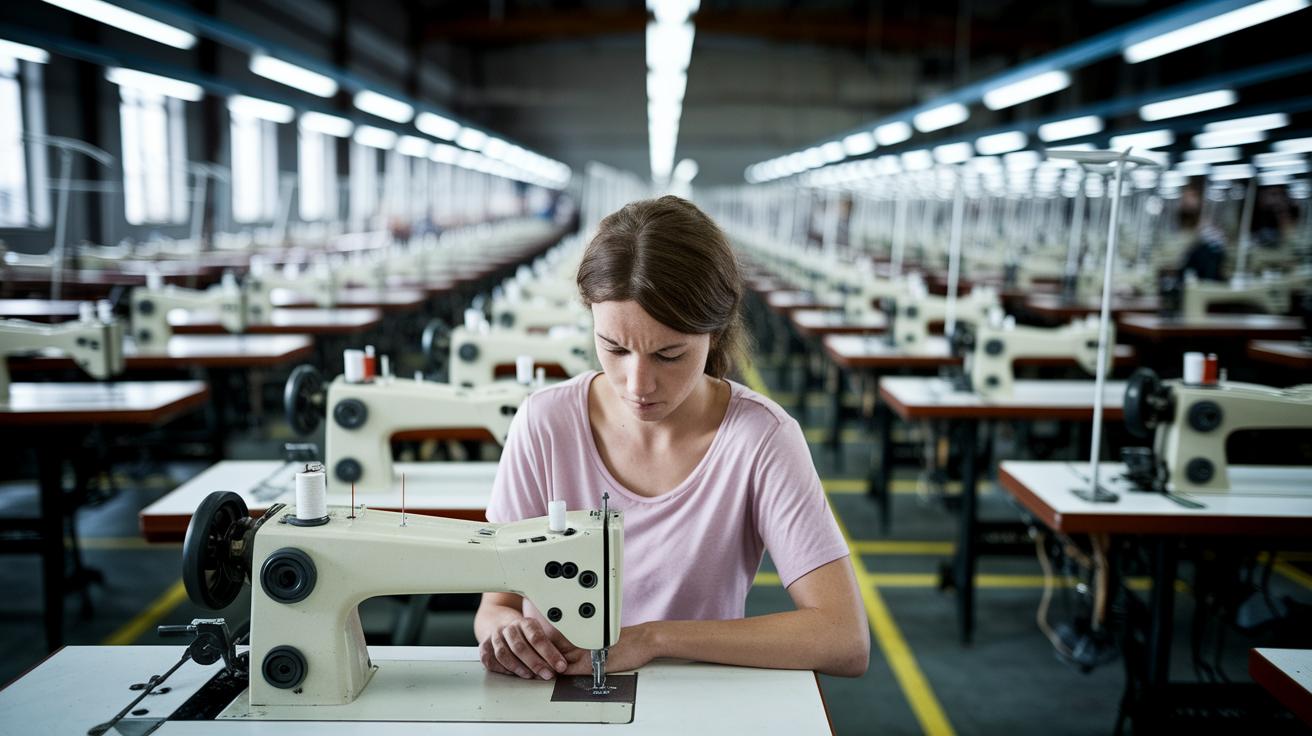
Fast fashion might seem like a steal, but often the savings hide a harsher reality. Many factories push out trendy pieces in unsafe environments with low pay and few protections. Workers end up toiling for long hours just to meet relentless deadlines, leaving them exhausted and undercompensated.
Certification marks like Fair Trade and GOTS are game changers. They're more common in slow fashion, guaranteeing that garments are made under fair labor conditions and safe work settings. While these endorsements are pretty rare in fast fashion, they set the bar for ethical production and hold companies to high standards.
Slow fashion is all about a fairer, more transparent approach. Brands embracing this model commit to fair wages, secure workplaces, and regular audits, ensuring that their workers have dignified roles. In truth, this builds trust and positions them as responsible leaders in the industry.
At the end of the day, every consumer counts. When we opt for pieces produced ethically, we help push the industry toward genuine social responsibility.
Consumer Choices in Fast Fashion vs Slow Fashion
When you compare the wallet-friendly rush of fast fashion with the enduring charm of slow fashion, it really comes down to a choice between immediate savings and lasting quality. Fast fashion dazzles with low prices that tempt you to buy more, though studies show nearly 40% of these pieces end up forgotten in the closet within a few years. On the flip side, slow fashion calls for a thoughtful approach, urging you to invest in timeless pieces that carry both durability and style. In essence, it's a nudge to ask yourself: Do you want fleeting trends or lasting appeal?
Building a Capsule Wardrobe
Think about curating a wardrobe where every item has a purpose, a few versatile pieces that mix and match seamlessly. Instead of splurging on every new trend, you can save both money and space by choosing essentials like a tailored blazer, a pair of classic jeans, or that convertible dress that takes you from day to night. It’s a bit like having a minimalist closet where every item earns its place and every piece shines in its role.
Evaluating Garment Quality
Want to know if a garment is built to last? Try a few simple tests: run your fingers along the seams, gauge the fabric’s weight, and inspect the stitching for consistency. These little checks empower you to make smarter, more deliberate choices. With a clearer understanding of fabric quality and design, you gradually shift from impulsive buys to building a wardrobe that truly stands the test of time.
Design Longevity and Regenerative Principles in Fast Fashion vs Slow Fashion
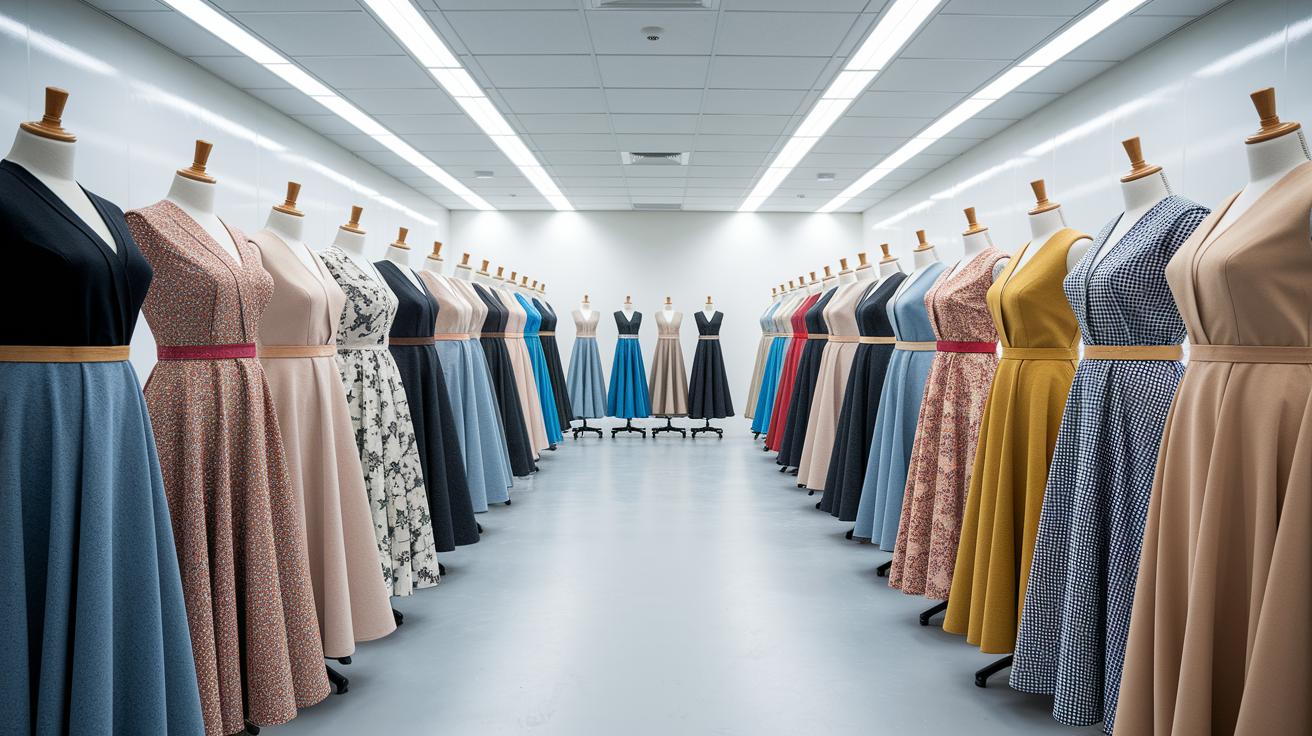
Slow fashion is all about making clothes that last. Brands here really push to test every garment so it keeps its shape and color wash after wash, even turning everyday wear into something built to endure. They simulate long-term usage so you know each piece is crafted with longevity in mind. It’s a clear contrast to fast fashion, where trends fade quickly and items lose their charm before you even know it.
At the core of slow fashion are regenerative materials. Think organic cotton, linen, and other natural fibers that not only feel fantastic but also help the environment by breaking down naturally over time. Unlike the polyester common in fast fashion that can trap microplastics, these eco-friendly choices pull double duty. They let you enjoy stylish designs while caring for the planet, making every item a smart, sustainable pick.
Slow fashion also puts a big emphasis on lifecycle production. Designers here consider every step, from the raw materials to the end-of-life, ensuring each piece is repairable, reusable, and ready for recycling. It’s not the linear process of waste we see in fast fashion. Instead, it’s about building a lasting connection with your wardrobe and keeping your style fresh over time.
Final Words
In the action, this piece unraveled the smart contrasts between production practices, environmental impact, and ethical standards in fast fashion vs slow fashion (key differences). We broke down how speedy production cycles contrast with longevity and mindful sourcing.
The discussion also pressed into consumer choices and design longevity, highlighting why buying decisions shape our clothing cycles. It's a reminder that every purchase carries weight – a chance to embrace style that truly fits our values and the times ahead.
FAQ
What are the key differences between fast fashion and slow fashion?
The key differences between fast fashion and slow fashion involve production speed, material quality, environmental impact, and labor practices. Fast fashion is about rapid, low-cost production, while slow fashion emphasizes durability and ethical sourcing.
What are fast fashion vs slow fashion examples?
Fast fashion examples include affordable dresses, trousers, and blazers produced quickly to catch trends, whereas slow fashion examples focus on garments crafted with sustainable, organic materials and aimed at long-lasting style.
What do fast fashion vs slow fashion statistics reveal?
Fast fashion statistics highlight high production volumes, significant water usage, and increased waste, while slow fashion statistics show reduced environmental impact and lower landfill contributions due to sustainable and longer-lasting design approaches.
How does fast fashion compare to high fashion?
Fast fashion targets affordable, trendy styles made in mass production, in contrast to high fashion which offers exclusive, meticulously designed collections created with premium materials and limited availability.
How are slow fashion brands defined?
Slow fashion brands are defined by their commitment to ethical labor practices, sustainable material sourcing, and timeless design. These brands focus on quality, longevity, and reducing environmental impact through careful production methods.
How do circular fashion principles align with sustainable practices?
Circular fashion principles align with sustainable practices by designing garments for reuse, recycling, and reduced waste, mirroring slow fashion ideals in promoting resource efficiency and minimizing environmental harm.
Why is sustainable fashion important in today’s apparel industry?
Sustainable fashion is important because it promotes ethical production, minimizes environmental damage, and encourages consumers to choose quality over quantity, thereby supporting both fair labor practices and long-term ecological responsibility.
Can fast fashion include items like dresses, trousers, and blazers?
Fast fashion includes a variety of items such as dresses, trousers, and blazers, all produced quickly and sold at low prices to capture current trends, though this often comes with compromises in durability and ethical production.