
Ever wonder if fast fashion is buckling under its own practices? New rankings have dropped that measure major brands on their green credentials, from recycled packaging initiatives to sketchy labor practices. The study scores everything from eco-friendly materials and waste management to smart packaging techniques. Some labels truly dazzle with thoughtful eco moves, while others fall short due to overproduction and a lack of transparency. This snapshot makes us rethink our shopping choices and ask: Which fast fashion names are genuinely leaving a positive imprint on our world?
Ranking of Fast Fashion Brands by Sustainability Efforts
Our composite sustainability score looks at everything, from eco-friendly materials and waste management practices to smart packaging and fair labor. Experts scored each brand on a scale from 1 to 10. They weighed green moves like recycled packaging and textile recycling against challenges such as murky supply chains and labor controversies. For instance, think about a brand that drops 500 new products every day with hardly any transparency; no wonder its score takes a hit.
Even in the fast fashion world, there's a real range in how brands handle sustainability. Zara stands out because of its clear efforts with recycled packaging and textile recycling. On the flip side, brands like Shein and Temu end up at the bottom thanks to overwhelming production and questionable practices. This ranking gives you a snapshot of each brand’s social and environmental impact, nudging you to think about what your fast fashion choices really mean.
| Rank | Brand | Sustainability Score (1–10) | Key Sustainability Note |
|---|---|---|---|
| 1 | Zara | 7 | Recycled packaging and textile recycling program |
| 2 | Nike | 6 | Efforts in sustainability amid labor controversies |
| 3 | Lululemon | 6 | Strives for improvement despite discrimination claims |
| 4 | Adidas | 5 | Minor initiatives challenged by opaque supply chains |
| 5 | Amazon Fast Fashion | 4 | Heavy reliance on synthetics and excessive packaging |
| 6 | Uniqlo | 4 | Limited transparency on production details |
| 7 | H&M | 3 | Alleges labor underpayment and ethical issues |
| 8 | Forever 21 | 2 | Low wages and rapid production practices |
| 9 | Temu | 2 | Sub-$5/hour wages and price-focused production |
| 10 | Shein | 1 | Hyperproduction with no transparency |
Sustainability Evaluation Criteria for Fast Fashion Brands

Our ranking centers on eco-friendly raw materials and smart packaging choices. We focus on whether brands use organic cotton, recycled polyester, or renewable resources to lessen their environmental impact. Picture a manufacturer choosing recycled polyester over new materials, a simple decision that cuts waste and lowers carbon emissions. This approach rewards brands that consistently opt for natural or repurposed inputs during production.
Fair labor practices and transparent supply chains come next. We check for fair wages, safe working conditions, and solid traceability methods like third-party audits. In plain terms, if a fast fashion label shows clear evidence of how its garments are made, it scores high on our ethical production scale. Transparent practices help protect workers and build genuine consumer trust.
Lastly, waste management and carbon footprint reduction play a key role. Brands earn higher marks when they set up take-back programs, design with zero waste in mind, and use renewable energy solutions. Think of it as a style scorecard, less waste and fewer emissions lead to a better overall rating. This well-rounded approach makes sure each brand gets credit for taking real steps toward sustainability.
Fast Fashion Material Footprint and Chemical Impact
Fast fashion heavily leans on synthetic fibers that take a long time to break down and end up wreaking havoc on our environment. Take polyester, for example, it slowly releases tiny plastic bits into our waterways, and these microplastics eventually make their way into soils and oceans. It’s like a hidden threat that damages ecosystems over time. Choosing a recycled fabric feels like opting for a renewable resource that cuts down on waste and harmful chemicals in production.
Look at the stark differences between brands when you dive into their material and packaging choices. Zara, for instance, has embraced recycled packaging and even runs a textile recycling program, moves that really help shrink their environmental footprint. Meanwhile, Shein continues to churn out vast amounts of synthetic fabrics without a similar commitment to sustainability. And then there’s Amazon’s home-brand apparel, which relies on synthetic materials and piles on single-use packaging, adding more fuel to the pollution fire. It’s a reminder that even big names in the industry can vary dramatically in their approach to eco-responsibility.
Then there’s the issue with traditional fabrics like conventional cotton, a staple for brands such as Forever 21. Conventional cotton farming often involves heavy pesticide use, causing chemical runoff that harms local water supplies and biodiversity. Switching to organic or recycled natural fibers could be a game changer, easing environmental damage and promoting a cleaner, greener textile world. Ultimately, a brand’s choice of materials really shapes its overall impact on the environment.
Labor Practices and Supply Chain Transparency in Fast Fashion Rankings
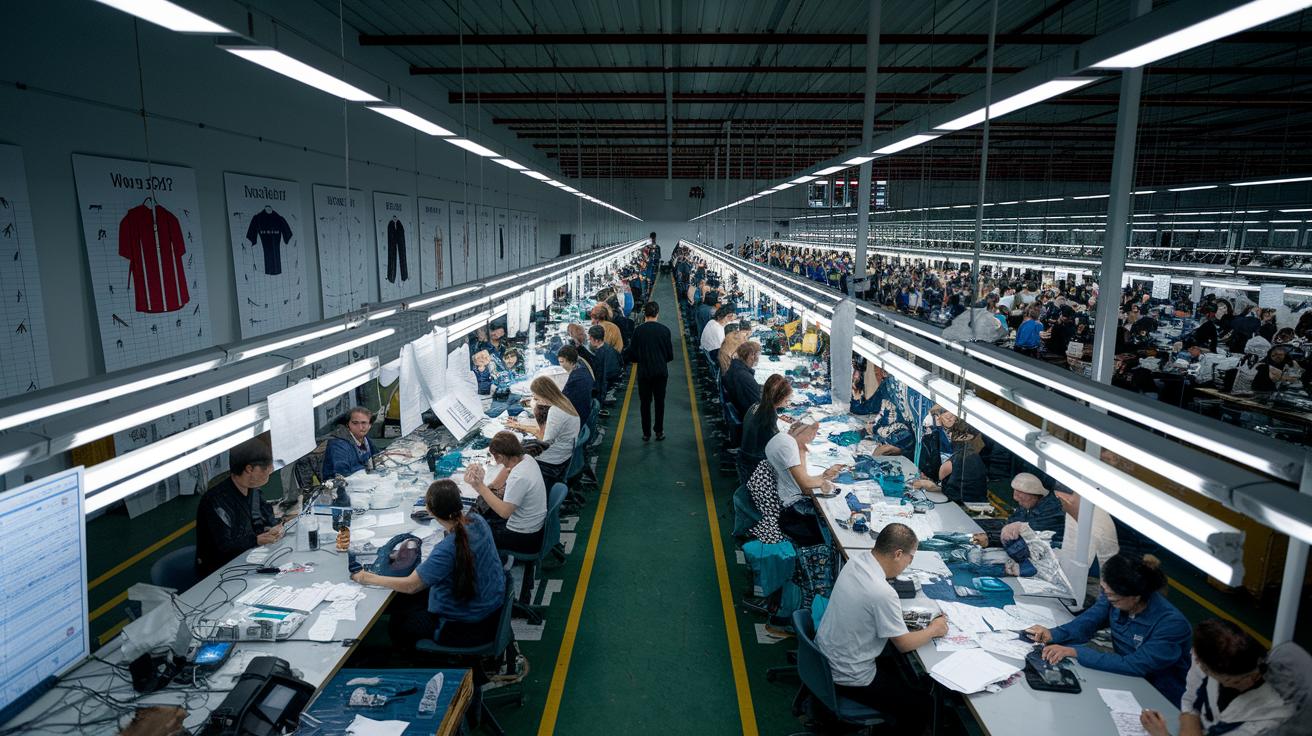
The sustainability scorecards mix fair labor standards with clear supply chain reporting, building trust with consumers step by step. H&M's audits have sparked concerns over worker wages, while Shein's vague factory reports leave us wondering where the actual details are hiding. It's a real challenge when production info stays under wraps.
Nike and Lululemon are no strangers to criticism over questionable working conditions, and Zara offers just a glimpse of its production practices. Adidas and Uniqlo follow a similar pattern, sharing only limited insights about their manufacturing processes. Think of it like a puzzle – if you're missing a few pieces, the whole picture never really comes together.
Investors and shoppers are asking for solid proof: verifiable sourcing standards and regular worker audits that back up claims of fair pay and safe workplaces. You might see a statement like, "Our workers earn a living wage," but without hard, public data to support it, these statements can feel more like anecdotes than facts. By blending these findings into our evaluation, it becomes clear how much production transparency influences fast fashion rankings.
Environmental Impact: Carbon Emissions and Textile Waste from Fast Fashion
Fast fashion has completely transformed the clothing scene. Their rapid production cycles have boosted clothing consumption by about 400% in the last 20 years and pushed greenhouse gas emissions to new heights. And get this: the average U.S. consumer tosses out roughly 82 lbs of textile waste each year. This massive turnover leaves behind a hefty mark, filling up our world with excess fibers and extra carbon emissions.
When you take a closer look, you'll see that each brand leaves a very different environmental footprint. Some labels favor synthetic fibers, which require energy-hungry production methods, while others lean towards recycled or natural materials that are a bit kinder to our planet. For example, a brand that banks on synthetic processing might end up with emissions far above industry averages, setting a clear benchmark for eco-performance based on its resource choices.
The fast fashion frenzy doesn’t stop at just carbon emissions; it also sends waste levels skyrocketing and puts pressure on our water systems. Think about all the extra packaging and disposable garments that add up over time. In the rush to dominate the market, many brands overlook how quick production cycles pile on environmental costs, not just in carbon output, but also in the strain on water resources. It’s a stark reminder of how every choice on the runway plays a part in our global footprint.
Ethical Shopping Alternatives and Strategies to Diminish Fast Fashion Impact

Switching up your wardrobe with sustainable choices can be a fun and conscious journey. Start by backing affordable eco-friendly brands that boast certified organic or recycled-fiber pieces. I recently snagged a jacket made from recycled polyester, it felt like a personal nod to mindful fashion, and honestly, it’s that small change which helps cut down on textile waste and fights back against the exploitative side of fast fashion.
Next, why not explore the world of secondhand shopping? Whether you're thrifting treasures or swapping styles with friends, embracing pre-loved pieces not only saves some cash but also gives garments a second lease on life. Picture this: finding a timeless dress at your favorite vintage store, a hidden gem that's both effortlessly chic and kind to the planet. It’s all about adopting a "buy less, choose better" mindset, investing in quality over fleeting trends.
Finally, consider blending sustainable items with your current collection to gradually transform your wardrobe. Make it a habit to check for certifications and transparent production processes before adding a new piece. Over time, these thoughtful adjustments stack up, steering the industry towards ethical practices while helping you carve out a unique style that proudly stands against unsustainable fast fashion norms.
Final Words
In the action, we explored fast fashion brands ranked by sustainability efforts. We broke down everything from ranking criteria to material footprints, labor practices, and environmental impacts. We also highlighted ethical alternatives and tips that can help reshape your wardrobe choices. Each segment provided clear insights into how brands match up on sustainability metrics, ensuring you stay well-informed about their eco-credentials. Keep your eye on these fast fashion brands ranked by sustainability efforts and let your style reflect a commitment to a better future.
FAQ
What are the top fast fashion brands ranked by sustainability efforts?
The ranking highlights brands evaluated on eco-friendly materials, fair labor practices, and waste minimization. It features labels that have introduced recycled packaging and transparent production measures as key sustainability initiatives.
Which sustainable fashion brands are popular in the USA and Europe?
Sustainable fashion brands in the USA and Europe are celebrated for merging trend-forward design with ethical production. These labels focus on eco-friendly fabrics, honest labor practices, and improved supply chain visibility.
What is the most sustainable fast fashion brand?
The most sustainable fast fashion brand is identified by its high composite score on recycled material use and ethical labor practices. Rankings shift over time as brands update their initiatives and production methods.
Who is known as the biggest polluter in fast fashion?
The biggest polluter in fast fashion is often associated with those relying heavily on synthetic fabrics and excessive packaging, which contribute significantly to environmental waste and carbon emissions.
Is Zara more sustainable than H&M?
Zara is seen as more sustainable than H&M due to its initiatives like recycled packaging and textile recycling programs, while H&M continues to face challenges related to labor practices and less transparent production data.
What brand is Gen Z wearing?
Gen Z favors brands that blend striking, current design with strong ethical credentials. These labels offer accessible style while prioritizing eco-friendly materials and clear, responsible production practices.