

Have you ever wondered how pivotal moments in fashion history have redefined our wardrobe choices? Imagine a time when lavish Baroque silhouettes, delicate Rococo details, and daring Victorian ensembles set the stage for what we wear today, each look sparking its own revolution in style.
As we stroll down this fashionable timeline, you'll notice designers turning everyday garments into bold expressions of art and culture. This journey weaves together history and personal insight, offering you not only a glimpse into fashion's evolution but also a chance to appreciate its magnetic charm.
So, come on in, relax, and prepare to experience fashion like never before.
Fashion History Timeline: Comprehensive Overview
From ancient times up to today, this timeline highlights the style moments that reshaped design. In the 1600s, Baroque fashion dazzled with big, voluminous skirts, elegant ruffled collars, and intricate embroidery that felt like a royal fairytale. By the 1700s, Rococo brought soft pastel colors and detailed waistcoats, eventually giving way to dresses that spoke to the common person after a major cultural shift.
In the 1800s, Regency silhouettes ruled with empire gowns and sharp men's tailcoats, only to morph into the Victorian era. That period was all about corsets, crinolines, and bustles, especially as mass production began to spread fashion far and wide. Then, as the early 1900s rolled in, Edwardian style celebrated the iconic Gibson Girl’s S-shape silhouette, paving the way for the natural forms of the 1910s championed by designers like Paul Poiret. The Roaring Twenties exploded with the vibrant energy of the flapper era, thanks to innovations from Coco Chanel, and the 1930s embraced classic Hollywood glamour with bias cuts and new fabrics like rayon.
Fast forward to the 1940s, and the blend of functional wartime attire with Dior’s breakthrough New Look was a game changer. The refined silhouettes of the '50s made a comeback and then burst onto the scene again in the rebellious 1960s with the rise of miniskirts and playful gender expressions. The decades that followed – the 1970s, 1980s, and beyond – saw fashion adopt street-inspired looks, a mix of minimal and maximal styles, and ultimately guide us to today’s trends focused on digital innovation, sustainability, and pure comfort.
Fashion History Timeline Origins: Ancient to 1800s Milestones
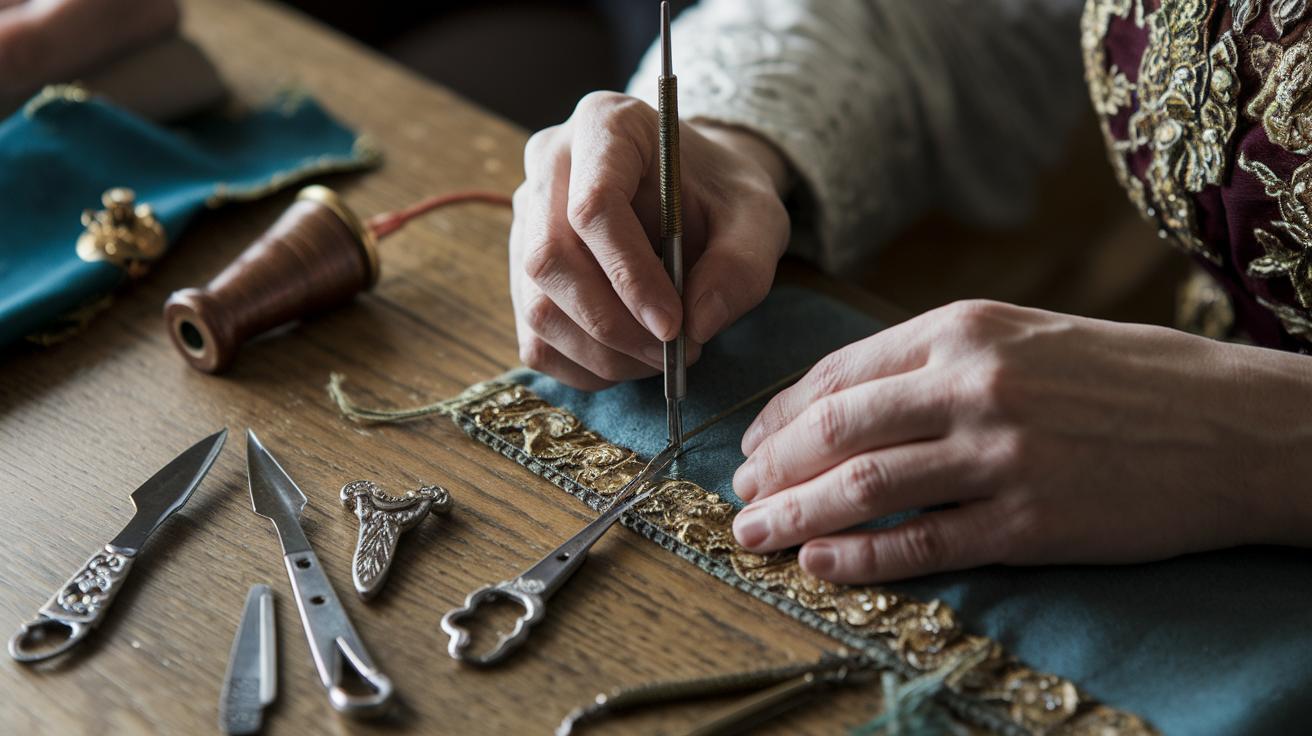
Fashion tells a vibrant story of history, culture, and artistic skill. In many ways, these eras remind us that every piece of clothing has its roots in a broader cultural dialogue.
In the 1600s, Baroque style was anything but simple. It wasn’t just about wide skirts and frilly collars, it was an expression of social rituals and meticulous craftsmanship. Imagine artisans pouring months into perfecting a single outfit, a pace modern production can hardly imagine.
With the dawn of the 1700s came Rococo, a style that leaned into a newfound creativity. Soft pastels and gentle floral details echoed the first whispers of individual flair. Picture a luxe drawing room where even a modest waistcoat quietly announces a shift towards personal expression.
Then the early 1800s rolled in, blending refined cuts with the early stirrings of modern manufacturing. Regency high-waisted gowns and sharply tailored coats, paired with Victorian corsets and defined silhouettes, set the stage for trends we see on today’s runways. Think of a lively street scene where empire dresses and precise tailoring hint at the mass appeal that would soon take over fashion.
| Era | Innovation & Cultural Impact |
|---|---|
| 1600s Baroque | Skilful craftsmanship with voluminous silhouettes set the groundwork for detailed modern designs |
| 1700s Rococo | Delicate pastel hues and floral motifs introduced a subtle yet impactful personal style |
| 1800s Regency/Victorian | Structured designs and early production techniques paved the way for accessible fashion trends |
Each of these periods left a lasting imprint, blending time-honored traditions with the dynamic spirit of innovation we embrace in today’s styles.
Fashion History Timeline Shifts: 1900s to 1930s Key Moments
Early in the 1900s, designers embraced a sleek S-shaped silhouette paired with sportswear vibes. They shifted away from restrictive, tight-fitting garments, laying the first hints of today’s athleisure trend where function and style effortlessly mix.
By the 1910s, if you look closer, wartime needs nudged fashion in bold new directions. Paul Poiret reinterpreted empire-line dresses with a clean, simple style that still resonates in today’s minimalist workwear. Think of how modern pieces channel those early utilitarian vibes.
Then came the 1920s, an era of playful freedom and daring experimentation. Before the flapper revolution, long skirts dominated the scene. Suddenly, knee-length, dynamic designs emerged and challenged the old norms, paving the way for today's edgy, youthful looks.
In the 1930s, Hollywood glamour hit the scene with bias-cut gowns and accessible luxury materials like rayon. Economic challenges inspired a trend toward effortless elegance that still guides modern designers, perfectly blending practicality with a splash of sophistication.
Fashion History Timeline Evolution: 1950s to 1970s
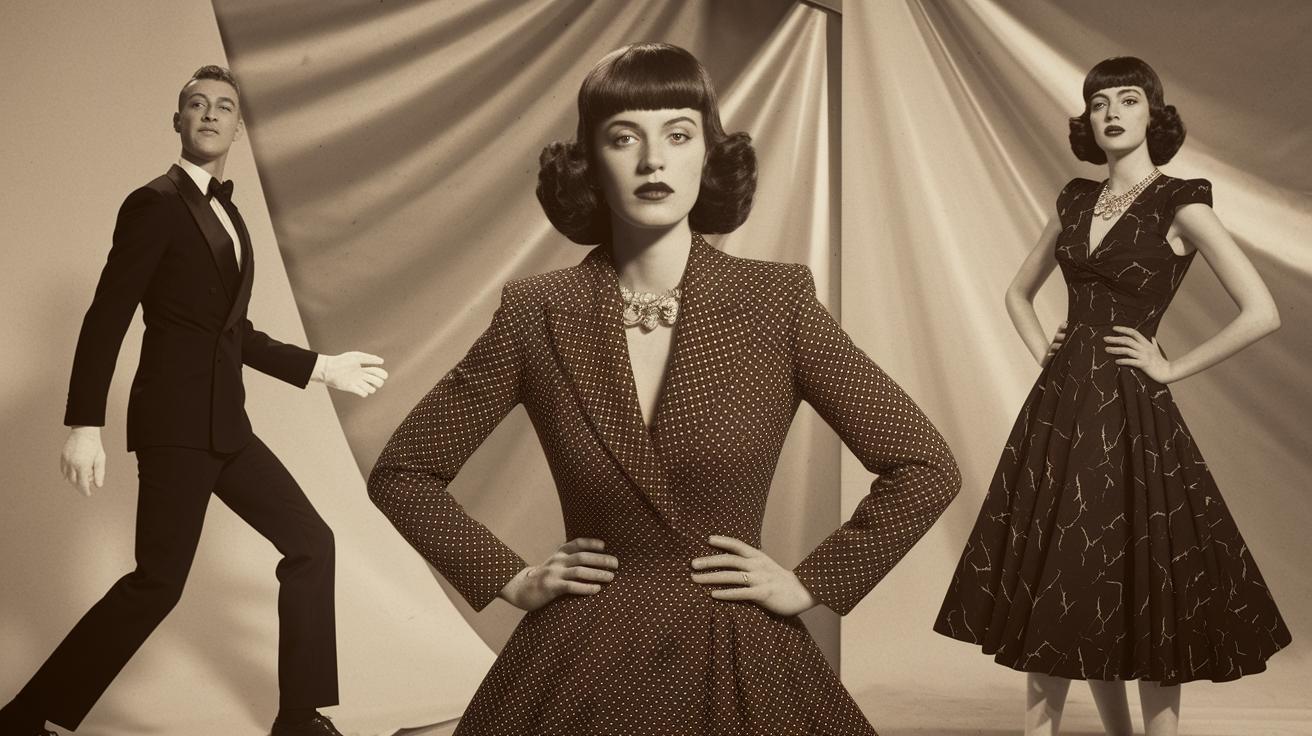
In the 1950s, glamour burst back onto the scene. Dior’s New Look reintroduced full skirts and snug waists that brought refined femininity after years of simpler styles. Balenciaga added inventive structure with sculptural tailoring, while the rock 'n' roll vibe brought a youthful, rebellious twist into classic styles. It was a moment when bold creativity met cherished tradition.
The 1960s completely reshaped fashion with a mix of classic style and daring innovation. Jacqueline Kennedy’s effortless elegance set a high bar for public figures, radiating a timeless grace. At the same time, Mary Quant flipped the script with her miniskirts, boldly empowering a generation craving freedom. Courrèges stirred imaginations with futuristic, space-age fabrics, and Yves Saint Laurent surprised everyone with a women’s tuxedo that broke down formal barriers. It was a lively dialogue between elegant tradition and modern audacity.
The 1970s embraced a relaxed, free-spirited approach to style. Hippie influences brought in prairie dresses made of patchwork and crochet, while disco fever elevated sequins and platform shoes to stardom. Diane von Furstenberg’s wrap dress became a symbol of effortless cool that carried an entire generation along. This was a time for creative experimentation, where counterculture blended seamlessly with mainstream appeal to form a look that was both daring and comfortable.
Fashion History Timeline Innovations: 1980s to 1990s
Back in the 1980s, fashion exploded with vivid colors, bold silhouettes, and a hint of sporty spirit. It was the era of power suits sporting oversized shoulders and activewear that felt fresh and energetic. Designers like Rei Kawakubo and Yohji Yamamoto shattered the norm with deconstructed designs and eye-catching runway shows that simply demanded attention. This was a time to celebrate extravagance with intricate details that turned heads everywhere.
Then came the 1990s, shifting the focus toward clean, minimalist style. Big names like Calvin Klein and Marc Jacobs led the change with designs that embraced understated appeal, simple lines, and just a touch of grunge. Their work paved the way for today's blend of comfort and high-fashion, mixing streetwear with a dash of sophistication. Ever wonder how a simple idea can redefine an entire decade? That’s the magic of evolving style.
This journey from the theatrical flair of the '80s to the sleek minimalism of the '90s shows how fashion continuously reinvents itself. Designers on both ends of the spectrum set trends that pushed creative boundaries, inspiring future generations to mix bold statements with clean design in new and unexpected ways.
| Decade | Designer(s) | Signature Trend |
|---|---|---|
| 1980s | Rei Kawakubo, Yohji Yamamoto | Deconstruction, power dressing |
| 1990s | Calvin Klein, Marc Jacobs | Minimalism, grunge |
Fashion History Timeline Modern Trends: 2000s to 2020s
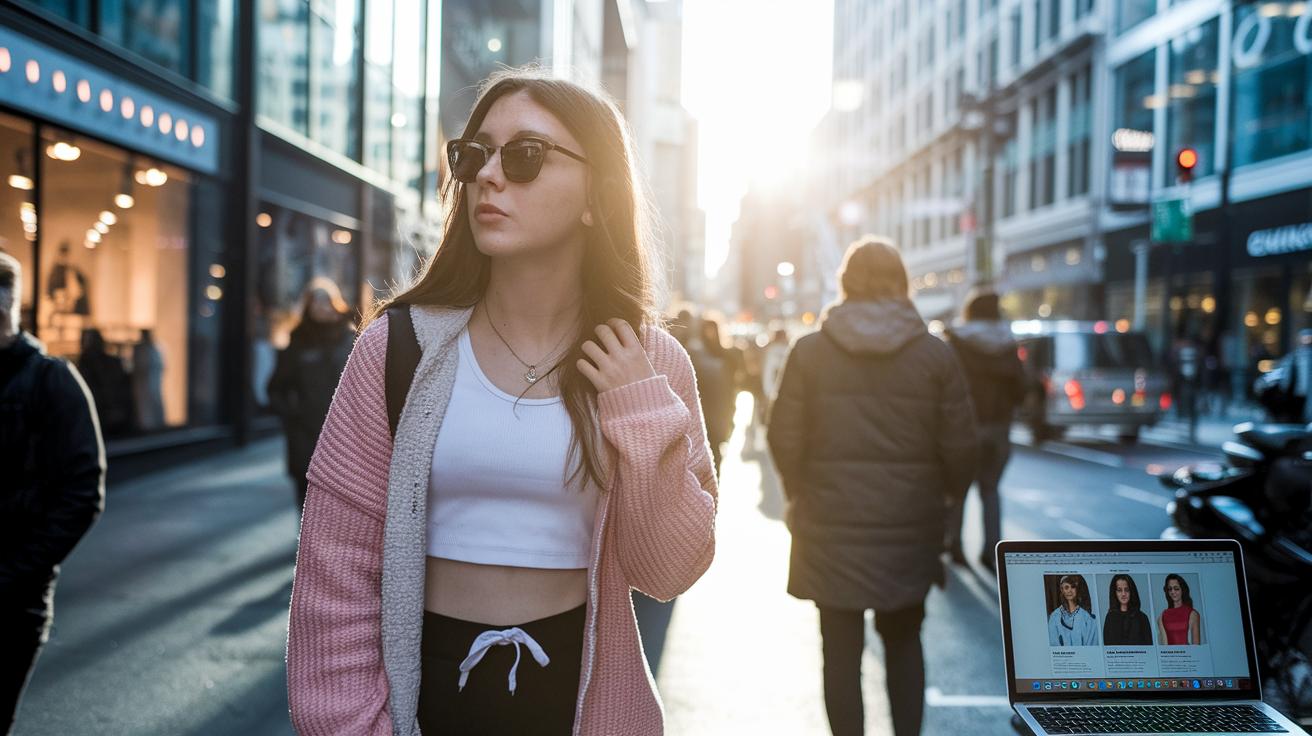
2000s Fast Fashion and Digital Rise
Back in the 2000s, fashion went through a wild transformation with fast fashion retailers making high-end runway styles available for everyone. TV hits like The OC and Gossip Girl turned everyday outfits into personal statements. Brands leaned into boho-chic, hip-hop energy, and even athleisure started popping up in the heart of urban life. Meanwhile, the boom in online shopping and fashion blogs changed the game, letting you scroll through trendsetting styles that capture the pulse of global creativity. It was a time when the digital world met style head-on, setting up a fast-moving, accessible landscape for fashion.
2010s Social Media and Green Innovation
In the 2010s, social media transformed the way we see fashion. Instagram and blogs became the go-to platforms for viral trends, making each post a mini fashion revolution. Designers, like Alessandro Michele at Gucci, pushed boundaries with a maximalist aesthetic, infusing luxury with quirky, unexpected details. At the same time, fashion began to seriously embrace eco-friendly practices and gender-fluid designs, challenging old norms and sparking thoughtful discussions. Ever scrolled past a post that made you rethink your style? That was the decade when creativity met sustainability in a big, bold way.
2020s Comfort, Revival, and Virtual Shows
The 2020s brought a shift towards comfort as our lifestyles adapted to more laid-back, work-from-home vibes. Think cozy loungewear meets smart, stylish activewear – perfect for a world where comfort doesn’t take a back seat to style. We also saw a revival of trends inspired by Y2K and '60s mini silhouettes, blending a nostalgic flair with modern tech. Virtual runway shows and try-on tech became the new normal, turning fashion events into digital experiences that feel both futuristic and interactive. This era is all about merging comfort with cutting-edge innovation, inviting us to experience style in a whole new way.
Final Words
In the action, this blog post took us through a dynamic fashion history timeline of key moments, capturing transformative shifts from ancient attires to today’s digital trends. Each era, from Baroque elegance to the bold statements of modern activewear, offers a quick-reference overview of style evolution.
We wrapped up with insights that blend historic milestones with modern innovation. This timeline not only sparks inspiration but also reminds us how each period’s look shapes timeless design in the fashion world. Cheers to staying ahead in style!
FAQ
Q: What does the Fashion History 1900 to 2000 PDF cover?
A: The Fashion History 1900 to 2000 PDF covers a detailed review of style shifts, touching on key designers, iconic silhouettes, and transformative trends that reshaped fashion during the 20th century.
Q: What key moments does the Fashion Timeline 1900 to 2000 highlight?
A: The Fashion Timeline 1900 to 2000 highlights pivotal eras from war-time practicality to post-war glamour, showcasing turning points like the New Look and the rise of youth-driven styles through each decade.
Q: How does the fashion eras timeline present changes in style and design?
A: The fashion eras timeline presents changes by mapping influential periods, comparing shifting silhouettes and fabrics, and illustrating how cultural, social, and technological influences redefined aesthetic norms over time.
Q: What historical clothing and textiles trends are revealed in the style history overview?
A: The history of clothing and textiles unveils trends such as the transition from ornate Baroque to practical Victorian dress, emphasizing technological advances like mass production that transformed textile and garment design.
Q: What defines the fashion eras of the 20th century?
A: The fashion eras of the 20th century are defined by dramatic style transformations—from the liberating silhouettes of the Flapper era to the structured elegance post-World War II—each marking a shift in cultural and artistic expression.
Q: What distinguishes the fashion eras of the 21st century from earlier periods?
A: The fashion eras of the 21st century are distinguished by the rapid spread of trends via digital platforms, a push for sustainability, and a blending of streetwear with high fashion that redefines modern style boundaries.
Q: How have fashion design and sewing influenced historical styles?
A: Fashion design and sewing have influenced historical styles by introducing innovative techniques and construction methods, allowing designers to experiment with cuts and fabrics that reflected both technological progress and evolving aesthetic ideals.