

Ever wondered how a runway icon without a heartbeat could change the game? Imagine digital models, fully computer-generated figures, that blend creative genius with clever, data-driven insights.
These AI avatars shuffle the cards of traditional fashion, offering a fresh spin on trends, much like a designer gown that unexpectedly reveals a hidden detail. Names like H&M and Levi Strauss are already spotlighting these virtual figures, proving that smart tech can conjure up totally unexpected, on-trend looks.
It’s not just about a new type of model, it’s a full-on style revolution that’s getting designers and fashion lovers buzzing with excitement.
Virtual Style Models: How AI Transforms Fashion Modeling
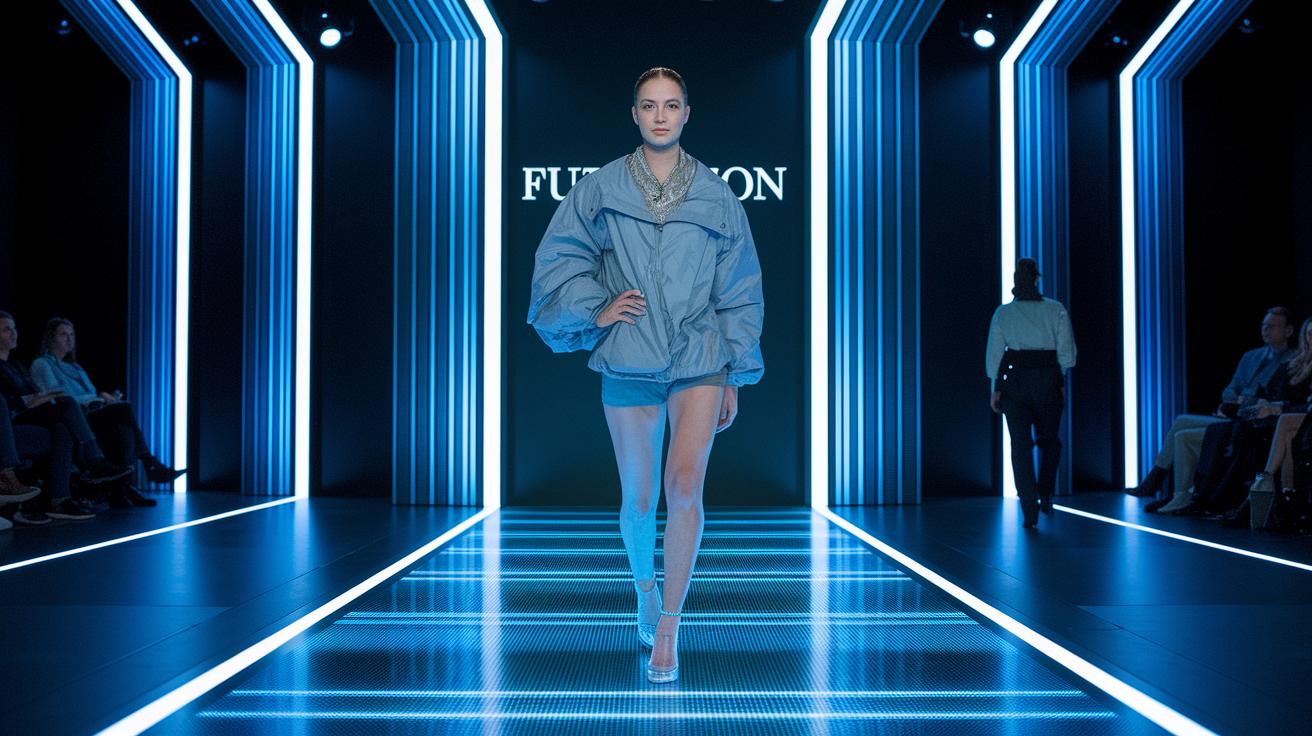
Virtual style models blend artistic flair with smart data analytics to reshape today’s fashion scene. They offer a fresh spin on ai fashion models, serving as digital renditions that capture the subtle nuances of real-life style. H&M is even leading the trend by planning to introduce 30 digital versions of its models by March 2025. This creative approach lets designers stretch their imagination, craft engaging digital runway icons, and speak to a crowd that loves tech-infused fashion.
Trend innovators are steadily weaving AI into fashion marketing and design. Take Levi Strauss, for example, they jumped into the world of ai fashion models in 2023 to highlight diversity and celebrate a broader spectrum of beauty. And then there’s Burberry, which unveiled virtual fitting rooms that customize sizing for each customer, deepening the connection between tech and style. With around 3,600 professional models making waves in the U.S., brands are now using these tools to enrich their content and supercharge campaign performance with real-time, targeted insights.
Experts say that once fashion pros master these AI innovations, they can turn everyday challenges into bold creative opportunities.
Evolution of Computer-Generated Runway Figures in Virtual Fashion Modeling
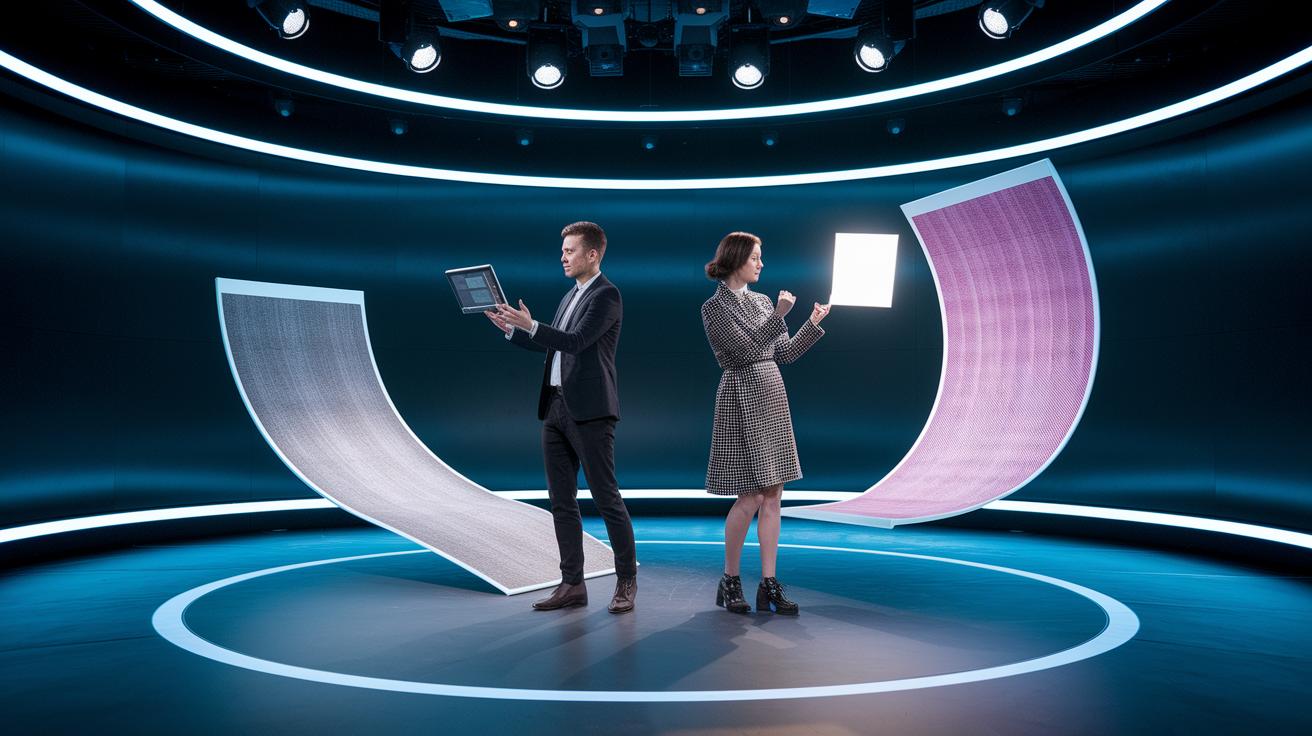
Digital avatars have come a long way. They’re no longer fixed images but fluid, interactive figures that bring stories to life in real time. Think about how a quick tweak in lighting can instantly change a mood. Designers can now adjust a model's fabric sheen on the fly and see the impact immediately, almost like catching a live photo finish.
Pioneering projects, such as Levi Strauss’s debut of ai models in 2023 and H&M’s plan to unveil 30 digital figures by 2025, set the stage for today's innovations. These early efforts shifted us from static designs to dynamic 3D renderings that update instantly, letting brand storytelling become a living, evolving narrative.
This move towards fluid, expressive models is reshaping how production works. Thanks to real-time rendering and smart automation, designers can now make on-the-spot styling tweaks, as if they were adjusting an accessory during a live virtual fitting. This tech integration not only streamlines workflows but also empowers brands to evolve their stories as quickly as trends change.
Tools Powering Automated Fashion Modeling Simulations
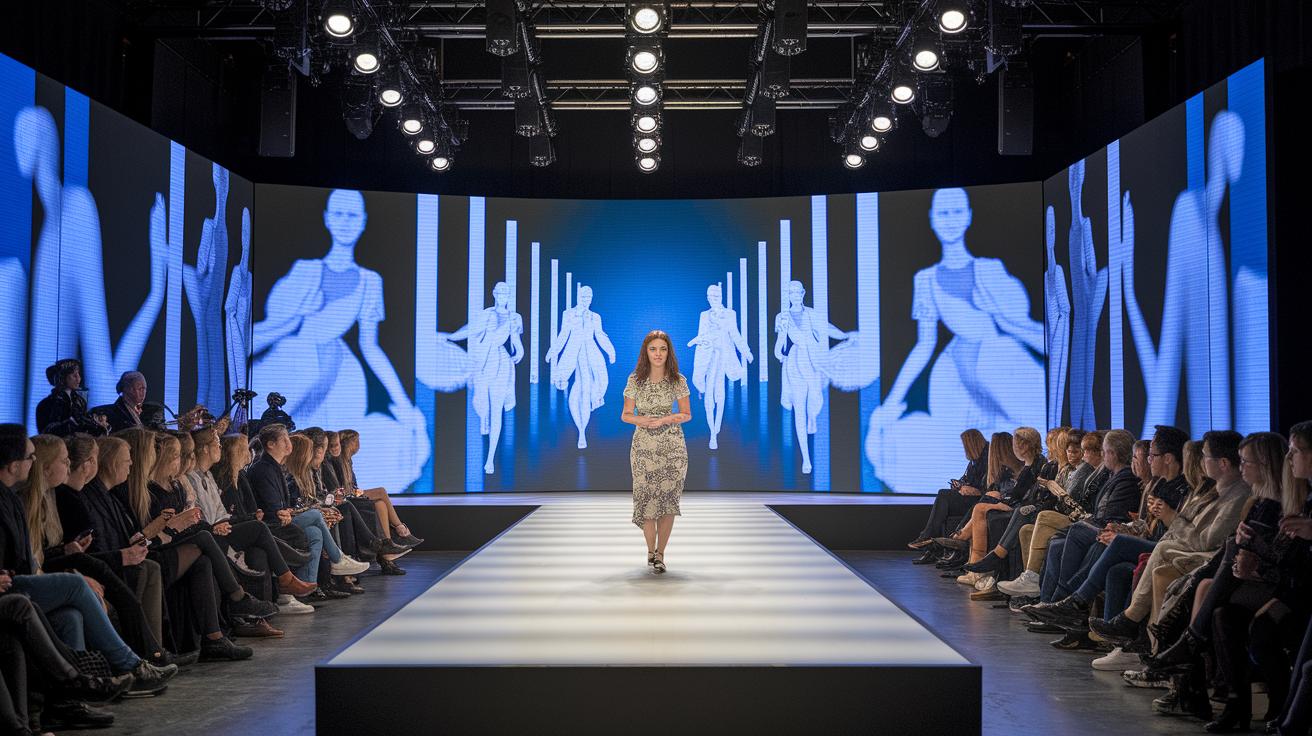
AI-driven platforms are turning the fashion scene upside down by making automated modeling simulations a reality. These systems transform regular snapshots into vibrant, stylish representations that practically jump off the screen. Imagine a digital toolkit that takes a plain design and instantly brings it to life, like watching a runway look come alive before your very eyes.
It's a bit like having a backstage pass to a live fashion show, where designers can tweak product details on the fly, much like swapping out accessories during an impromptu styling session. This exciting blend of speed and accuracy lets brands deliver digital experiences that feel both personal and inclusive.
| Platform | Feature |
|---|---|
| Botika | Transforms flat images into diverse digital avatars |
| Lalaland.ai | Automates creation and curation of personalized model portfolios |
| VModel.ai | Generates scalable digital lookbooks for fashion brands |
These platforms prove that automated modeling simulations are now an essential part of the modern digital fashion era. With innovations like Creati’s element-based architecture, designers can fine-tune products, change backgrounds, and adjust styles in real time. Plus, integrated data lakes ramp up these capabilities by automating ad optimizations, ensuring every digital showcase hits the mark with its intended audience.
As the boundary between physical and digital presentations fades, designers are handed a bold new canvas where creativity meets cutting-edge efficiency. This tech evolution isn’t just a fleeting trend, it’s a strategic shift that empowers brands to quickly create captivating, customizable visual narratives with a flair that’s both fast and fabulous.
AI-Driven Fashion Models in Action: Brand Case Studies

H&M recently unveiled 30 digital avatars that strut like live runway icons, each bursting with its own vibrant energy. Meanwhile, Levi Strauss is turning heads by using AI models that mirror the rich diversity of its audience. Picture this: a digital model that changes in real time to match the unique blend of its viewers, giving everyone a truly personal experience.
Then there's Burberry, shaking things up with AR-powered virtual fitting rooms. Imagine browsing a range of jacket styles in ten different cuts, all rendered on a virtual model that seems to know exactly what suits you best. These smart tools aren’t just speeding up the try-on process; they’re creating a bespoke, tactile shopping vibe that feels tailor-made.
Together, these bold moves highlight a wider trend in the fashion world where tech and style blend seamlessly. Whether it's H&M's interactive avatars, Levi Strauss's data-inspired casting, or Burberry's inventive AR experiences, brands are shifting the way we connect with fashion. It's all about merging creativity with technology to forge a truly dynamic shopping experience.
Technological Foundations of AI-Enabled Fashion Model Creation
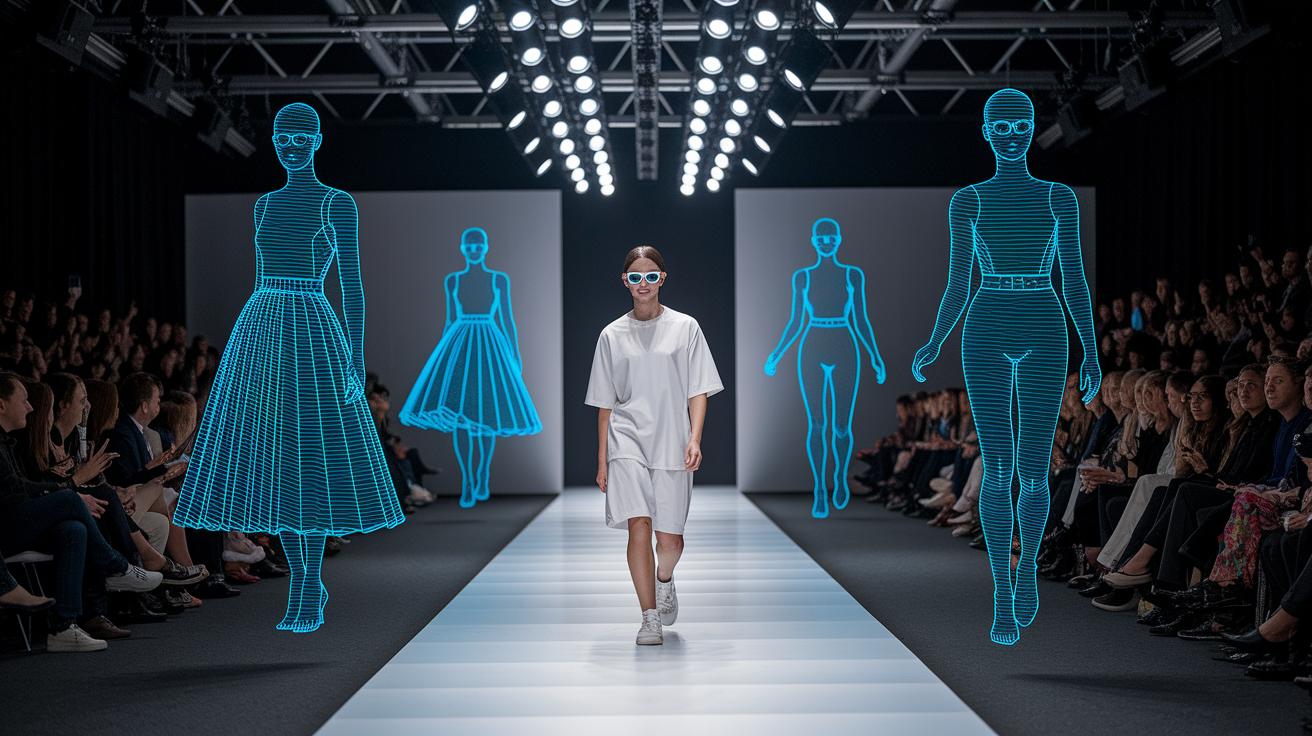
We're diving into how cutting-edge AI algorithms are reshaping digital design modeling in fashion, with a spotlight on self-directed agents. Traditionally, modular design layers and centralized storage have formed the bedrock of these systems, but new research shows autonomous AI agents can tweak styles in real time. Imagine an AI agent adjusting a garment's color balance during a simulation, perfectly reflecting the subtle shifts in runway lighting.
| Feature | Description | Benefit |
|---|---|---|
| Element-Based Architecture | A modular setup that builds the foundation of digital design | Gives structure to experimental AI outputs |
| Data Lake Integration | A central hub for real-time data feedback | Enhances performance analytics during design iterations |
| Autonomous AI Agents | Self-guiding algorithms that adapt on the fly | Drive dynamic improvements in digital styling, proven by case studies |
These self-directed AI agents are at the forefront of digital fashion innovation. Recent case studies highlight their ability to seamlessly optimize style elements, reinforcing the robust technical foundations of AI-enabled fashion modeling.
Future Trends in Virtual Fashion Modeling and Intelligent Style Forecasting
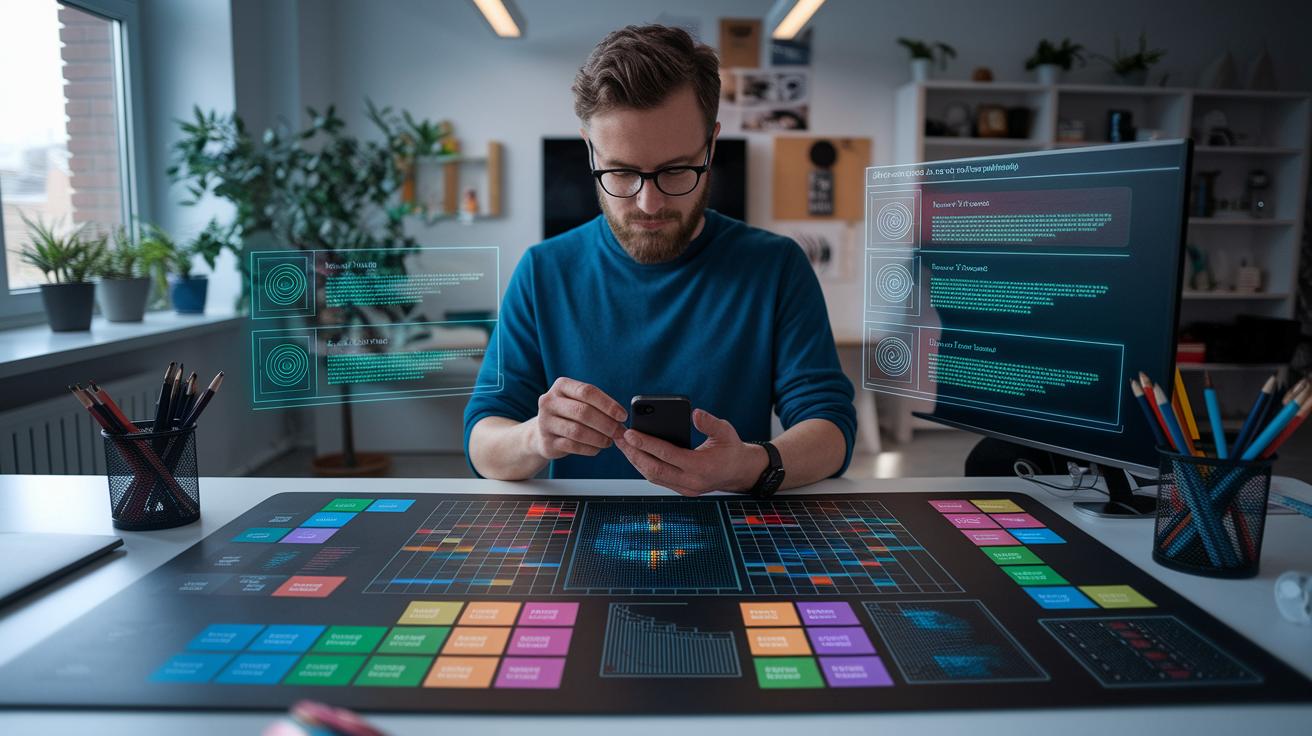
Digital modeling is stepping up its game with trial-based cloud platforms that let brands experiment and polish their collections in real-time. These platforms use live consumer feedback to refine designs, meaning every choice is informed by what shoppers truly dig. I once played around with one, watching a simple idea morph into a trending look as the platform adjusted its color palette based solely on immediate feedback made the whole process feel like magic.
Meanwhile, personalized style assistants are grabbing all the attention. They deliver spot-on outfit recommendations tailored to individual tastes, blending personal style with data-driven insights. A designer recently shared, "My personal style assistant suggested ensembles that captured my vision perfectly, almost like chatting with a savvy friend." This trend is all about crafting an experience that feels custom-built and refreshingly new in the world of virtual fashion modeling.
Final Words
In the action, we've traced the rise of digital runway icons, explored how virtual style models are reshaping brand campaigns, and seen tools like automated modeling simulations redefine creative workflows. The blog post highlighted case studies where brands transformed their strategies using AI integrations and smart innovations.
The discussion emphasized that embracing ai fashion models can empower creators and drive fresh ideas. There's plenty of optimism in the way these advancements will spark new style trends and transform the fashion game.
FAQ
What are AI fashion models free?
AI fashion models free refer to digital avatars available at no charge, created using online tools that help brands test and experiment with automated modeling simulations in a creative, cost-effective way.
What are AI fashion models female?
AI fashion models female involve digitally created avatars designed to represent female characteristics, offering fresh, innovative ways to enhance representation in fashion campaigns.
What is an AI fashion model generator free?
An AI fashion model generator free describes platforms that allow users to create digital models without fees, making trial runs easier for brands and creatives looking to experiment with virtual style.
What is the best AI fashion model generator free?
The best AI fashion model generator free typically means top-rated tools that generate photoreal digital avatars at no cost, enabling brands to produce trend-forward models effortlessly.
What is an AI fashion model video generator free?
An AI fashion model video generator free gives users the ability to animate digital avatars for video content without charge, fueling dynamic, ready-to-deploy visual campaigns.
How do AI fashion models relate to Vogue?
AI fashion models Vogue connect digital runway icons with high-fashion aesthetics, blending artistic design and advanced simulation to produce visually stunning content reminiscent of upscale editorials.
How are AI fashion model Instagram accounts used?
AI fashion model Instagram integrates digital avatars into social media, allowing influencers and brands to share engaging content that reflects modern style trends and authentic digital presence.
What does Mannequin to model AI mean?
Mannequin to model AI signifies transforming traditional mannequins into dynamic, digital models using AI technology, which expands creative possibilities and presents near-realistic fashion showcases.