

Ever wondered how your go-to outfit seems to magically appear almost overnight? Fast fashion works its charm fast, spinning runway hits into everyday wear in just a few short weeks.
In this post, we're taking you behind the scenes of that clever, speedy process. Think of it like unwrapping a stylish gift: we break down how quick production teams and a global network join forces to keep our wardrobes fresh, trendy, and budget-friendly. It’s fashion at the blink of an eye.
Fast Fashion Supply Chain Explained: Swift and Smart
Fast fashion is all about speed, efficiency, and staying on trend around the globe. Designers, manufacturers, and retailers work together to churn out a steady stream of new styles every month – no waiting around for seasonal collections. Brands like Zara, for example, can launch a fresh lineup in just 2 to 4 weeks. It’s pretty wild how data and keen market insights drive every decision, ensuring that the latest trends hit the stores almost instantly.
Every step in this supply chain is geared toward rapid turnaround and cost savings. Instead of spending hours perfecting an original design, fast fashion brands nail down the hottest looks from runways and street style, replicating these trends in record time. This approach sparks huge waves of innovation in design, letting companies quickly pivot to meet ever-changing tastes.
Key features of this dynamic system include:
- Sub-2-month product cycle
- Trend replication instead of creating from scratch
- A global, low-cost sourcing network
- High-volume, low-margin production
- Vertical integration that streamlines the journey from sketch to shop
These essentials allow brands to keep their collections fresh and prices competitive. With a product cycle under two months, competitors harness an efficient global sourcing network and robust production methods to mirror the latest styles. Vertical integration connects every piece of the puzzle, making it possible to satisfy consumer cravings almost on demand. It’s a smart, agile setup that perfectly captures the fast-evolving pulse of modern retail.
Quick Clothing Design & Trend Imitation

In today's fast fashion world, speed always seems to come before originality. Designers are quick to latch onto the buzz from runways and street styles with the help of trend-spotting tools and social media insights. Sometimes, teams revamp entire collections in just a few days after catching real-time sales feedback. It’s like, ever wondered how some brands stay so fresh? They're all about keeping up with what shoppers really want.
Data is the secret weapon here. Design crews constantly monitor online chatter and customer behavior to spot trends right when they start heating up. This means they can experiment with ideas and fine-tune designs within a matter of weeks, almost like magic. Fun fact: Uniqlo once tweaked their design based on live sales data and saw demand jump by 20% overnight. Wow, right? These rapid changes help keep collections as responsive as ever.
Then there’s vertical integration, which basically turns store feedback into a direct line to production. When a shift in consumer taste happens, store data quickly guides design tweaks, making the transition from idea to finished garment almost seamless. It’s a feedback loop that's so smooth, it makes sure every new trend is not just predicted but also fully embraced on the shop floor.
Expedited Material Sourcing & Production Logistics
Fast fashion labels race to grab fabrics and trims from affordable producers in Bangladesh, Vietnam, and China. They use smart buying tactics that cut lead times from weeks to days, keeping inventory costs low and production humming. Every decision is backed by data, ensuring suppliers are chosen for their price, quality, and reliability.
Multi-source procurement is a clever trick in their playbook. Working with several regional suppliers creates a vibrant competitive edge and minimizes risks. This way, if one supplier stumbles, production never skips a beat. Plus, brands enjoy volume discounts and keep consistent stock for those rapid turnarounds we all know in today’s market. Fun fact: one fast fashion company trimmed its lead time by almost 50% in one season by tapping into a rich network of diverse suppliers!
Just-in-time contracts are another secret weapon. These spot-buy agreements let brands jump on trends as soon as they hit, slashing the need for excess inventory. Built-in rapid replenishment clauses mean production schedules align perfectly with real-time demand. It’s all about staying nimble, cutting waste, and keeping pace with consumer cravings.
| Strategy | Benefit | Speed Impact |
|---|---|---|
| Global Supplier Network | Competitive pricing | Ultra-fast lead times |
| Regional Sourcing | Risk diversification | Quick local turnarounds |
| Spot-Buying Contracts | Enhanced flexibility | Turnaround in days, not weeks |
| Data-Driven Selection | Consistent quality | Smooth delivery scheduling |
These sourcing strategies give fast fashion brands the edge they need to seamlessly flow from material selection to production. Balancing agility with cost efficiency and responsiveness, they stay ahead of shifting consumer demands and keep their collections fresh and exciting.
Accelerated Garment Manufacturing & Quality Control

Fast fashion comes alive in high-volume factories from Bangladesh to India and Indonesia, where production lines hustle round the clock. This whole scene is fueled by a drive for speed and smart manufacturing techniques that let brands ramp up output without breaking the bank. Ever wondered how these rapid cycles keep up with the latest trends? It’s all about streamlined processes designed to meet ever-changing consumer cravings.
It’s a race against time in these factories. They use just-in-time methods to cut waste and keep production in sync with market beats. Yet, in the rush for speed, some quality checks get trimmed down, leaving room for a few production slip-ups. Workers clocking 24/7 shifts hit tough quality benchmarks, but sometimes a few steps in the quality control process end up being sacrificed.
Quality control here is a real balancing act. Chasing rapid output might fatten profit margins, but it can also weaken the rigor of quality inspections. Brands are constantly juggling fast-paced production with the need to keep products up to standard, always aware that even the most efficient system can sometimes miss a spot.
Streamlined Distribution & Retail Dynamics
Manufacturers and distributors have totally revamped the journey from the factory floor to store shelves. They’ve teamed up regional distribution centers with global shipping hubs so that fresh collections hit the stores almost every week. Automated order systems and real-time tracking keep delays at bay, meaning products reach shoppers in a flash. Meanwhile, savvy analysts tap into inventory platforms to spot demand trends and help managers steer clear of surplus stock or bare shelves. Retailers also score with competitive prices by slashing logistics costs and keeping inventory flowing, exactly what you need to stay ahead of the curve.
Rapid restocking is the heartbeat of this streamlined process. By harnessing modern software and data-driven insights, brands coordinate shipments, tweak pricing on the fly, and optimize international delivery routes. In truth, once garments leave the production line, they quickly move through regional warehouses and into customers’ hands. This constant refresh keeps stores and eCommerce sites buzzing, sparking that excitement which pushes sustained demand. Brands, especially those known for affordable fast fashion, thrive on this efficiency, raking in strong sales while delighting customers with nearly instantaneous access to the latest styles.
- Regional warehousing
- Automated restocking
- Real-time shipment tracking
- Dynamic pricing modules
- Flash-sale integration
- Omni-channel fulfillment
This integrated approach not only speeds products from factories to buyers but also keeps costs in check and shelves well-stocked, ensuring that the fast fashion cycle remains as vibrant and responsive as today’s ever-changing consumer tastes.
Ethical & Environmental Challenges in Fast Fashion Supply Chain
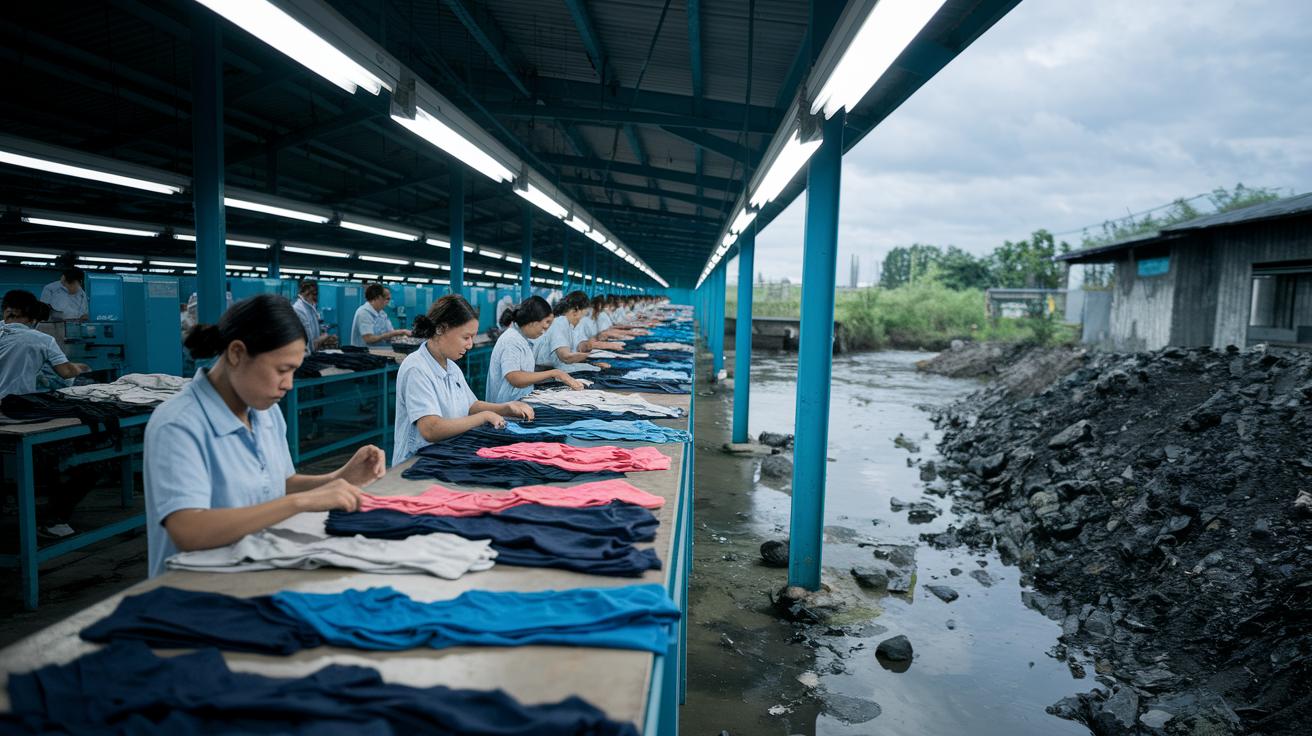
Fast fashion’s quick turnaround hides a harsh truth. While stylish designs flood the market, outsourced production often leaves factory workers earning meager wages and working in barely safe conditions. Ever wonder what really goes on behind those trendy labels?
On the environmental side, the impact is just as stark. This industry is responsible for nearly 10% of global carbon emissions. Processes like textile dyeing can end up polluting our waterways, and the overproduction of clothes leads to mountains of waste. It’s a messy situation that amplifies the industry's overall footprint.
Labor Exploitation
In many production hubs, workers frequently earn much less than they should. These workers face long, grueling hours with minimal safety measures. This kind of exploitation not only raises serious ethical concerns but also tarnishes a brand’s reputation, leaving us to question the true cost of our fast fashion obsessions.
Environmental Footprint
The rapid pace of production drives up carbon emissions and contributes to significant chemical pollution from textile processes. Plus, when excess clothing goes unsold, it piles up as waste, making it even harder to manage the environmental impact. With opaque supply chains, keeping tabs on these responsibilities becomes a challenge.
Fast fashion is increasingly under the microscope for both its ethical missteps and environmental damage. Meeting these challenges means moving toward transparency and sustainable practices that care for both the workers and our planet.
Technology & Data Integration in Fast Fashion Supply Chain
Digital innovation is totally reshaping the journey of a design from that bright idea in the studio right up to the customer’s wardrobe. Fast fashion brands are now rocking real-time IT systems that scoop up feedback straight from stores, letting design teams switch gears as trends quickly slip by. Imagine walking onto a bustling factory floor where smart sensors and automated production lines work together to boost output and keep everything transparent. Cloud solutions and platforms, like cloud-based Product Lifecycle Management tools, ensure all tech-pack details are at your fingertips, the minute they’re updated. It’s a new era where tech isn’t just a tool, it’s the heartbeat driving smarter, data-fueled decisions.
On the production side, embracing new tech has turned garment making on its head. From on-demand fabrication feeling like a well-rehearsed secret to blockchain systems that track every detail from raw fabric to the final runway reveal, brands are achieving levels of clarity that were once unthinkable. Automation mingles beautifully with advanced analytics, meaning even the slightest shift in social media buzz or a whisper of an in-store trend is caught and acted upon almost instantly. It’s a sleek blend of tech and creativity, ensuring that every choice is backed by fresh, reliable data while keeping the pace lively and transparently stylish.
Future Outlook: Sustainable Alternatives in Fast Fashion Supply Chains
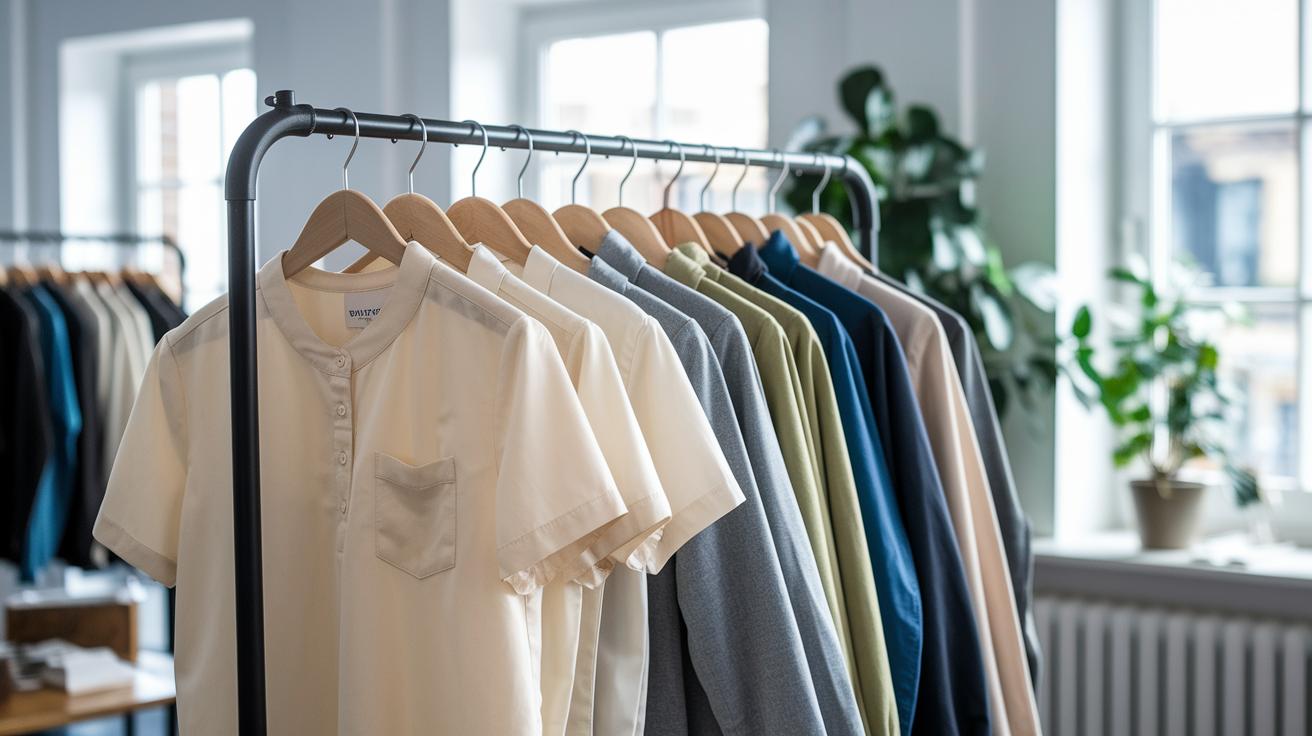
Fast fashion is turning a fresh leaf as brands start to feel the weight of their environmental impact. You see, many labels are now swapping out conventional fabrics for greener options, embracing materials like organic cotton, recycled polyester, and Tencel. These choices not only trim down a brand's carbon footprint but also cut back on those pesky harmful chemicals.
It's kind of like when you find that perfect outfit that screams style and comfort, only this time, it's all about care for our planet too. Brands are rolling out fair-trade practices and thorough labor audits which boost transparent, ethical supply chains that we can really trust.
Then there are trailblazing projects exploring circular-economy ideas. Think about programs that invite you to send your old garments back for recycling, transforming waste into something fresh. Plus, companies are now using digital tools to track carbon emissions in real time, allowing them to tweak manufacturing processes on the fly and keep the air cleaner.
All in all, these initiatives are paving the way for a future where style meets sustainability seamlessly, a shift that brings us one step closer to a world where fashion feels as good as it looks.
Final Words
In the action of dissecting the rapid production cycle, we broke down everything from quick clothing design to expedited material sourcing. The post walked through high-speed manufacturing and the layered distribution tactics that keep fast fashion thriving. We also touched on ethical challenges and the impact of digital tools.
The fast fashion supply chain explained here provides a clear, hands-on look at how trends move from sketch to shelf. Stay inspired and keep pushing your style forward!
FAQ
What does fast fashion supply chain explained mean?
The fast fashion supply chain explained means a rapid network of designing, producing, and retailing clothing where trends are quickly replicated. This approach minimizes turnaround time to bring new products to market.
What resources are available like PDFs or diagrams for fast fashion supply chain explained?
Fast fashion supply chain illustrated PDFs and diagrams provide visual breakdowns of the network, showing design stages, processing timelines, and distribution channels that help explain the rapid production and distribution process.
What are fast fashion examples and which brands represent this model?
Fast fashion examples include brands that frequently update their collections with trendy pieces. Notable brands like Zara and H&M epitomize this model by bringing new designs to market in just a few weeks.
What is the fast fashion definition?
Fast fashion is defined as a business model that prioritizes speed and cost-cutting by replicating trends quickly, resulting in high-volume, low-margin collections that cater to ever-changing consumer styles.
What lessons on sustainable fashion supply chain can be learned from H&M?
Sustainable fashion supply chain lessons from H&M include balancing rapid production with initiatives for greener materials, improved labor practices, and waste reduction, showcasing that even fast fashion brands can work toward environmental and social improvements.
Why does it take 7500 litres of water to make a pair of jeans?
The 7500 liters of water required for jeans comes from water-intensive processes like cotton farming, fabric dyeing, and finishing. Each step uses significant water, contributing to the overall large water footprint.
What are the 5 stages of a supply chain in fashion?
The five stages include concept, production, distribution, retail, and post-sales. Each phase is designed to rapidly respond to market trends while keeping production agile and cost-effective.
What is the process of the fashion supply chain?
The fashion supply chain process involves rapid design iterations, expedited material sourcing, streamlined manufacturing, efficient distribution, and fast retail turnover, all aimed at capturing and meeting current consumer demands quickly.
How does Zara manage its supply chain?
Zara manages its supply chain through vertical integration and real-time data feedback. This strategy allows its in-house design and production teams to bring new styles to shelves in as little as two to four weeks.
Does fast fashion cover products like dresses, jeans, trousers, and shirts?
Fast fashion encompasses a variety of apparel including dresses, jeans, trousers, and shirts. The model aims to offer diverse, affordable clothing quickly, matching the latest trends for a broad consumer base.