Ever wonder what those bargain finds are really costing us? Fast fashion now accounts for nearly 10 percent of global carbon emissions, outpacing some of our biggest polluters. In just 20 years, our insatiable appetite for quick trends has skyrocketed to billions of new clothing items each year, putting a serious strain on our natural resources and well-being. This post digs into some eye-opening facts about the hidden damage our wardrobe habits inflict on the planet, inviting us to pause and rethink the way we shop and dress. After all, bold change begins with understanding the true price of fast fashion on our environment.
Environmental impact of fast fashion: Bold Change
Fast fashion is a major culprit when it comes to pollution. It now makes up between 8 and 10 percent of global carbon emissions – more than planes and ships put together. Experts even warn that emissions could jump by 50 percent by 2030. Ever wonder why we are feeling the heat? In 20 years, our wardrobe habits have skyrocketed to 80 billion new items a year, piling pressure on our natural resources and our health.
Then there is the staggering water use. Imagine needing almost 700 gallons of water for one cotton shirt or 2,000 gallons for a pair of jeans – that’s like filling a small pool for every piece of clothing. This heavy demand affects farms and city water supplies alike. To make matters worse, about 87 percent of the fibers end up burned or dumped in landfills every year, which wastes roughly half a trillion dollars in raw materials. It’s like tossing away a fortune while depleting our resources.
And let’s talk chemicals. The drive to keep up with the latest trends means nearly 3,500 chemicals get used in production. Around 10 percent of these can harm our health, while 5 percent damage the environment. This chemical mix leaks into our ecosystems, adding to the pollution crisis in the apparel industry. Fast fashion’s throwaway culture not only shortens the lifespan of a garment but also multiplies its environmental cost. Clearly, there’s an urgent need to rethink both how clothes are made and how we choose to shop.
Water Contamination From Fast Fashion Production
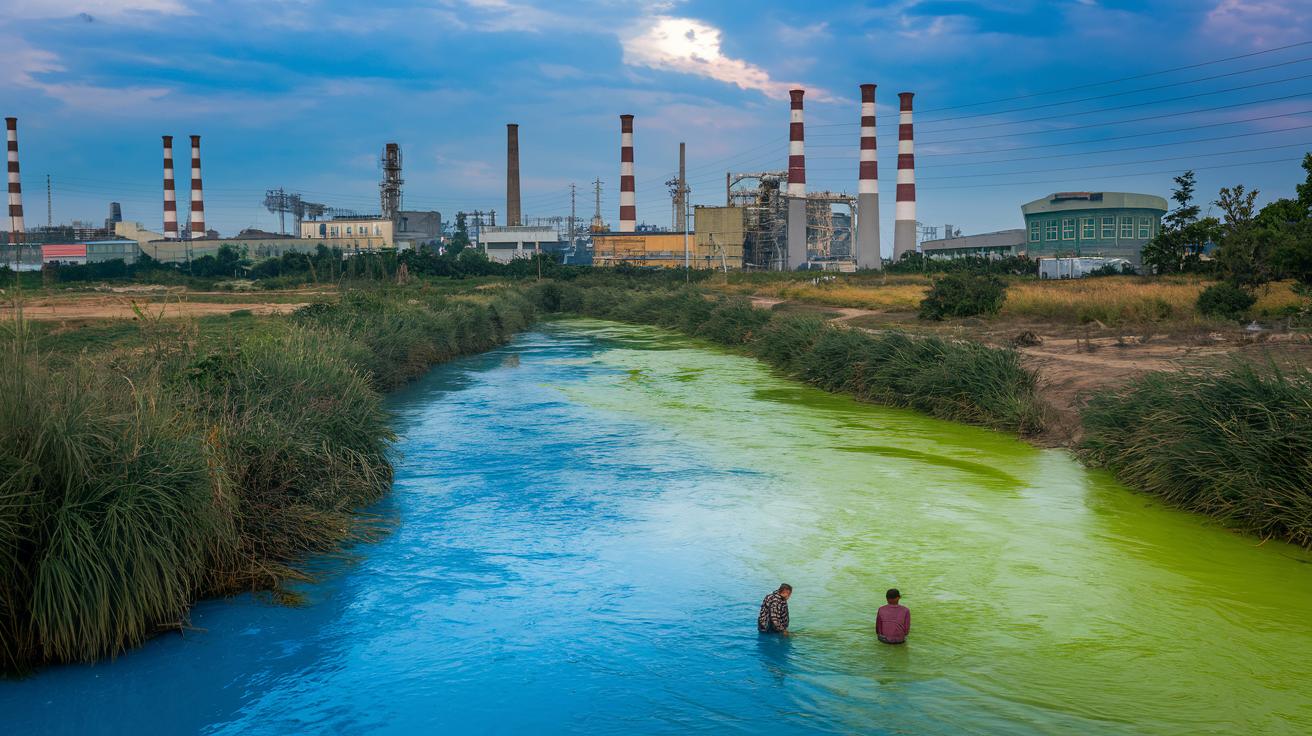
Fast fashion is taking a toll on our water like nothing else. Toxic chemical dyes and heavy metals, used to create those trendy styles, are seeping into our water supplies and making them unsafe. In bustling production hubs like Dhaka, Bangladesh, dye runoff has darkened local waterways, leaving communities with a growing water crisis. Imagine riverbanks filled with synthetic colors and chemical residues, the shocking reality behind every cheap trend.
Ever wonder how much water goes into our favorite pieces? A single T-shirt devours about 700 gallons of freshwater during production, while a pair of jeans can eat up to 2,000 gallons. This isn’t just numbers on a page; it’s a massive drain on local water reserves, putting pressure on community needs and agriculture alike.
The filthy industrial wastewater from fabric mills isn’t just harming nature, it’s putting people’s health and aquatic life at risk. Toxic dyes laden with heavy metals are making their way into our lakes and rivers. In many places, wastewater treatment simply can’t keep up, so untreated water ends up in nature, causing major problems.
- Elevated chemical levels throw local ecosystems off balance.
- Communities near these manufacturing centers are left with polluted water supplies.
- Excessive water use during dyeing leaves less water for drinking and farming.
This cycle of contamination shows that fast fashion comes with a steeper environmental bill than we might think, compromising both water quality and the health of people and nature alike.
Waste Accumulation and Textile Disposal in Fast Fashion
Fast fashion today piles up an enormous amount of waste across every step of the clothing supply chain. Nearly 85% of textiles end up being tossed aside every year, landing in landfills or burned in incinerators. This isn’t just about discarded fabrics, it’s a huge loss of raw materials that could be given new life. And with garments spun from polyester, nylon, and acrylic sticking around for centuries, the damage only grows over time.
But there’s more. Every time we wash synthetic clothes, those fabrics let off an estimated 500,000 tons of microfibers into our oceans annually. Imagine, that’s roughly equivalent to 50 billion plastic bottles making their way into our seas! These tiny fibers build up in marine ecosystems, posing serious risks to both aquatic life and our own health.
Below are some striking stats on the matter:
| Statistic |
Detail | Carbon Footprint and Emissions in Fast Fashion Manufacturing
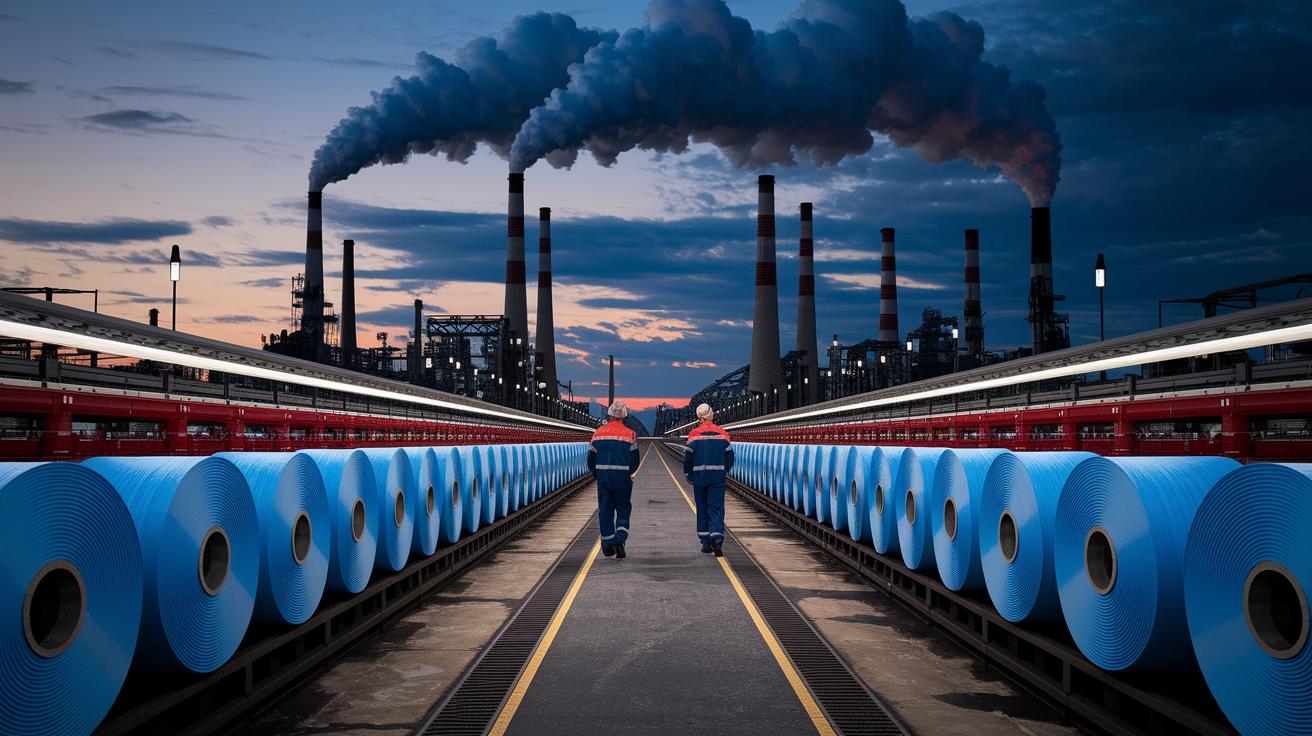
Fast-fashion production is a real emissions heavyweight, outdoing even international flights and ocean freight when it comes to greenhouse gases. Factories that churn out synthetic fabrics depend on huge amounts of petroleum, which not only bumps up production costs but also releases pollutants like volatile particulate matter and hydrogen chloride. Picture a factory with energy needs rivalling an entire EU country, all fueled by fossil energy. That means every trendy piece you pick up could be fronting more CO₂ than a small nation’s yearly emissions. Ever paused to think about that next time you see a chic new design?
Renewable energy is still a rare sight in fast-fashion making, with less than 10 percent of operations taking advantage of it. Upgrading old factories to cleaner tech or flipping entirely to renewable sources can be tough, but there’s a light at the end of the tunnel. Some brands are already testing out energy-smart methods and greener fuels to trim their carbon load. It’s not just about clever ideas, it’s about a wholehearted commitment to change old habits and invest in a cleaner future. With fresh tech and bold goals, the industry might just ease its immense carbon burden, giving both our planet and our fashion fix a much-needed breather.
Microplastic Pollution Caused by Synthetic Fibers in Fast Fashion
Every year, about half a billion kilograms of microplastics end up in our oceans from washing synthetic clothes. That simple act accounts for nearly 35% of all marine microplastics, turning an everyday laundry cycle into an unexpected environmental hazard.
Think about it, each wash releases countless tiny fibers from common fabrics like polyester, nylon, and acrylic. These minuscule particles carry risky chemicals into our water systems, subtly transforming your routine into a full-blown pollution event.
These little fibers don't just vanish; they disrupt aquatic environments, jumble up marine food chains, and even sneak into coastal sediments. It’s a stark reminder that behind the quick-fix appeal of fast fashion lies a big, messy impact on our oceans.
Toxic Chemicals and Health Risks in Fast Fashion
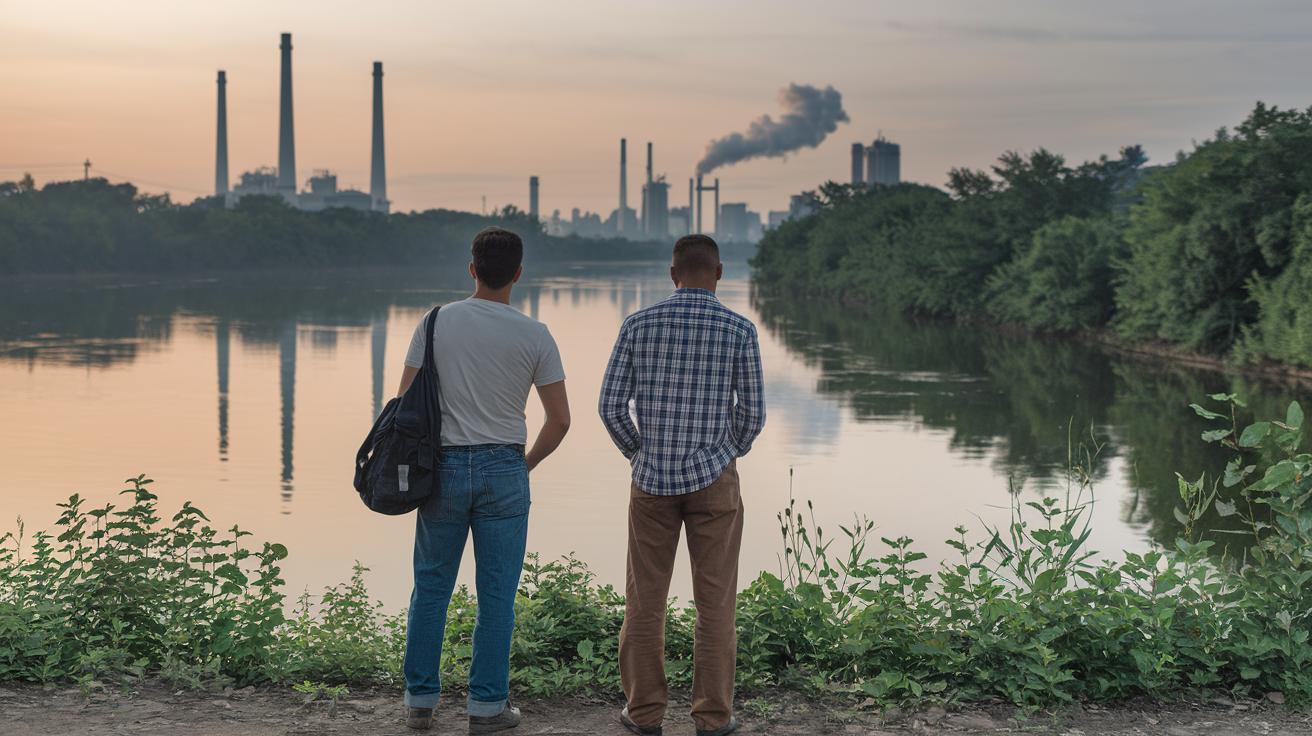
Latest reports show that raw, untreated industrial waste is linked to a spike in breathing problems among local residents. For example, one neighborhood noticed more asthma-like symptoms right after a nearby textile plant released its waste into the surroundings. Imagine living somewhere where even the murky flow of a stream sends a clear warning about lung health.
Another worry comes from pesticides used on cotton crops. These chemicals end up affecting both the farmers and their communities. It’s a bit like adding too much spice to your favorite dish, suddenly, the whole flavor is off. Picture a farmer who, with every harvest, finds his cotton fields carrying traces of dangerous residues.
Circular Economy and Sustainable Alternatives to Fast Fashion
Ever notice how slow fashion is quietly reshaping our wardrobes? Instead of cranking out disposable trends, it's all about quality, local craftsmanship, and timeless pieces. Many folks have discovered that a cool thrift store find or a hand-picked consignment piece not only boosts their style but also cuts down on waste.
Think about it: thrift, consignment, and upcycling efforts breathe new life into textiles, keeping them active instead of trashing our planet. Designers are getting inventive with closed-loop fiber recycling (that's where old clothes become vibrant new fabrics), and some brands are even exploring natural dye methods that steer clear of harsh chemicals. Plus, renewable-energy-powered mills are making waves by replacing old, fossil-fueled machines. It's a bit like mixing vintage treasures with modern flair to create that perfect custom look.
And hey, you can easily join the movement. Opt for clothes made with sustainable practices and designs that invite repairs or repurposing instead of a quick toss. Each thoughtful choice nudges fast fashion to the sidelines, paving the way for a future where creativity meets responsibility.
Final Words
In the action, we exposed the staggering environmental impact of fast fashion, from rampant water contamination and textile waste to heavy carbon emissions and microplastic spread. Each section broke down the numbers and real-life consequences, while hinting at promising shifts toward sustainable practices. This rundown shows that understanding these challenges paves the way for smarter choices. Fast fashion may strain our planet now, but even a few changes can spark hope in crafting a cleaner, more responsible future.
FAQ
Frequently Asked Questions
Q: What is the environmental impact of fast fashion?
A: The environmental impact of fast fashion involves resource depletion, excessive water use and pollution, and high greenhouse-gas emissions that contribute to global warming and waste issues.
Q: What fast fashion environmental impact statistics stand out?
A: Fast fashion accounts for 8–10% of global carbon emissions while consumer clothing purchases have surged 400% in 20 years, with most garments ultimately ending up in landfills.
Q: How do fast fashion brands impact social conditions?
A: Fast fashion brands influence social conditions by often relying on low wages and unsafe working environments, which can lead to compromised labor rights and community challenges.
Q: What solutions are available to reduce fast fashion’s impact?
A: Solutions include adopting sustainable design practices, circular economy initiatives like clothing recycling and upcycling, and shifting toward slower, quality-focused fashion production.
Q: How does fast fashion affect garments like dresses, jeans, trousers, and shirts?
A: Fast fashion drives the rapid production and consumption of clothing—be it dresses, jeans, trousers, or shirts—resulting in significant textile waste and a strain on water and resource supplies.
Q: How does sustainable fashion offer alternatives to fast fashion?
A: Sustainable fashion offers alternatives by promoting mindful production, efficient resource use, and ethical labor practices, which help mitigate environmental damage and foster longer-lasting clothing.
Q: What is the economic impact of fast fashion?
A: The economic impact of fast fashion includes lower prices for consumers but also hidden costs from environmental cleanup, resource losses, and the burden of managing vast amounts of textile waste.