

Ever wondered how a few trends seem to pop up out of nowhere? It’s not magic, it’s a mix of genuine social buzz and reliable, hard data painting a sneak peek of what’s next on the runway.
Think of fashion trend forecasting as your personal style sensor. It picks up subtle signals from online chatter and everyday shopping habits, blending real stories with solid numbers to create a vivid preview of the future. Curious to see how this fusion of data and style can transform your wardrobe?
Radar-Driven Approaches to Forecasting Fashion Trends
Imagine a radar that catches whispers of the next big fashion twist. In today’s fast-paced scene, radar forecasting taps into both past consumer trends and real-time buzz, gathering clues from everything online, from social posts to live runway feeds. It’s like having a secret sensor that picks up on little murmurs long before a trend explodes, such as spotting a quirky street style shot that later sparks a major design revolution.
Data for these forecasts comes from all corners of the fashion world. Think Instagram, TikTok, even search trends, all blending to create a vivid snapshot of how style evolves. When you see loads of influencers weaving in retro vibes, the system takes note. By mixing these digital hints with current style movements, it’s almost like assembling a vibrant mosaic where every little piece helps forecast the next vintage comeback.
Unlike the old-school methods that relied on one-off runway reviews or sales figures, this radar approach works in real time. It marries the feel of cultural shifts and celebrity buzz with hard numbers like search trends and purchase data, offering a dynamic picture of what’s next. It’s not just checking off boxes; it’s like updating a live sensor that adapts every minute to capture the heartbeat of fashion.
Blending Qualitative and Quantitative Data in Radar Forecasting Techniques
Qualitative insights are like the storytelling behind every trend, capturing the buzz of consumer interests, cultural shifts, and influencer moments that really bring fashion to life. Think of it as describing how a vintage jacket gains extra charm when spotted on a rising style icon. Meanwhile, quantitative data, like Google search counts, sales figures, and engagement stats, gives you the concrete numbers that back up these cool narratives. Together, they create a full picture of market vibes.
Validation is the real secret. It makes sure these two sides gel perfectly. When you weigh high search numbers against the chatter on social media and keep an eye on sales changes, you can spot whether a trend is here to stay or just a passing fancy. Trend dashboards even let you mix demographic and economic details, giving clues on whether that look is fleeting or part of a larger movement.
The key is having a solid system that regularly double-checks both the narrative and the numbers. Bringing in multiple data sources helps keep bias at bay and accuracy on point. Regular data audits, quick influencer trend spot-checks, and fine-tuning your forecasting models are all part of the process. This balanced approach is exactly what fashion brands need to stay one step ahead in today's competitive scene.
Step-by-Step Guide to Deploying a Fashion Trend Radar System
Get ready to reimagine your style strategy with a guide that feels like a chat over coffee with a style-savvy friend. We blend digital sleuthing with smart data crunching so you can catch trends before they hit the mainstream.
First off, use web-scanning tools to comb through your favorite online sources. These tools dig up early hints of emerging styles, think of it as tuning in to fashion's underground buzz.
Next, confirm those hints by checking search volumes and sales figures. This step ensures that the trend isn't just a passing whim but one that's gaining some real momentum.
Then, set up your own custom dashboard. Picture this: a neat display where related data points come together to show how each trend connects within the broader fashion scene. It’s like seeing the whole picture laid out for you.
After that, dive into consumer reviews and keep an eye on competitive insights. This is where everyday chatter turns into key advice for your next design move.
Now, organize everything into a visual forecasting dashboard. This tool makes it easy to absorb and act on the latest consumer vibes without fuss.
Finally, layer in AI-powered monitoring for constant updates. As new trends surface and market signals shift, your system stays sharp, ready to adapt at a moment’s notice.
Each step builds on the last, creating a reliable and flexible system that transforms raw digital signals into smart style insights. Trust the process, stay agile, and let your trend radar guide you ahead of the curve.
AI and Machine Learning in Couture Projection Analytics
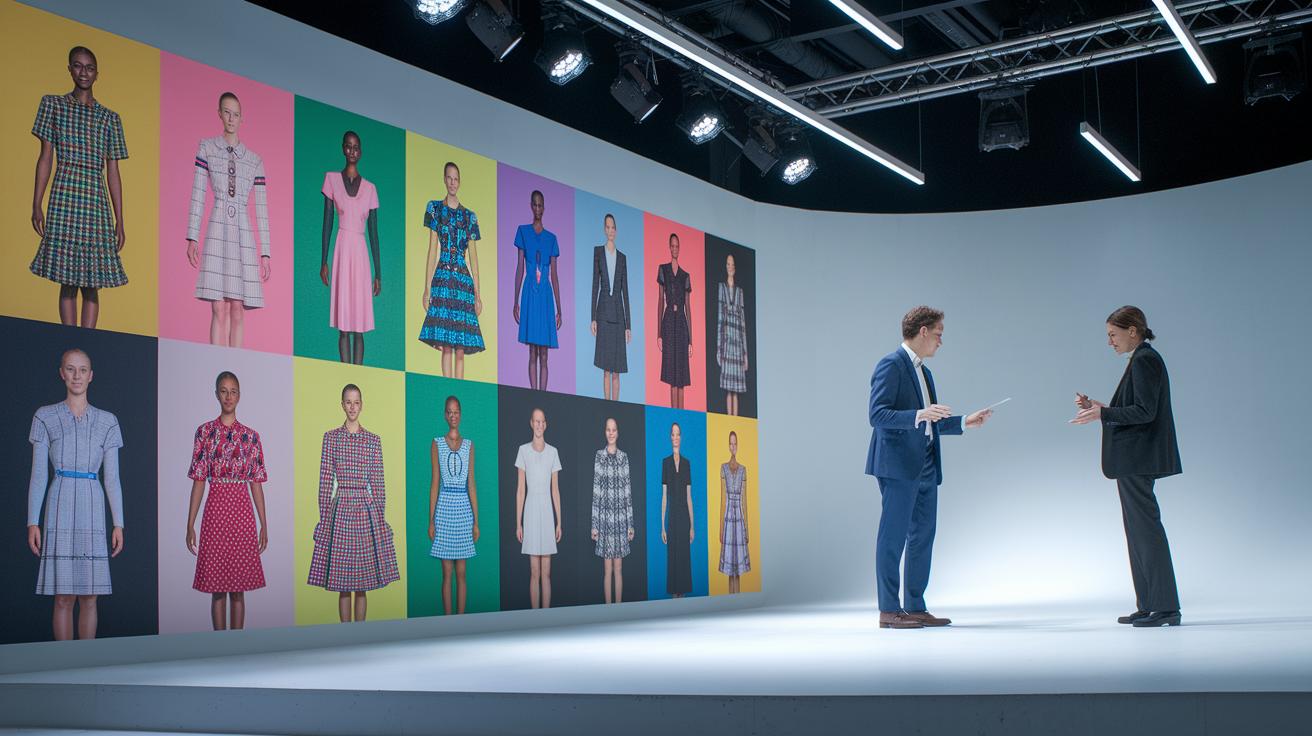
Imagine a world where brands can predict next season’s style by scanning millions of everyday snapshots. That’s what’s happening now, as advanced AI sorts through countless unstructured images every day. Fashion trailblazers are mixing smart garment sensors with clever algorithm insights to pull valuable cues from each pixel. For example, Heuritech’s image recognition tool skims through runway shows and social posts, tagging everything from prints to fabrics and silhouettes. Picture this: a flowing skirt caught on Instagram gets instantly analyzed into its color gradients, textures, and design details. It’s like watching high-tech data crunching meet the art of trend forecasting, offering near-instant insights so brands can tweak their styles before trends even hit the mainstream.
Meanwhile, deep learning algorithms are taking this game to the next level by separating trendsetters from the everyday crowd. These models, trained on huge datasets, can predict consumer shifts up to two years ahead. By breaking down influences across diverse demographics and markets, these systems give designers and brands a sharp strategic edge. Merging live social imagery with historical data creates a thorough forecast that picks up even the slightest shifts in style, ensuring every prediction feels fresh and data-savvy.
Computer Vision Models
Computer vision models are like having a seasoned stylist at your fingertips. They analyze runway and social imagery to capture tiny details, the fabric, the cut, the burst of color, in every snapshot, giving us a real-time peek into the pulse of fashion.
Deep Learning Algorithms
Deep learning algorithms dive deep into emerging micro-trends and broader consumer tastes. They spot subtle hints among trendsetters that lead to anticipatory design moves, helping brands map out their creative journey with confidence.
Case Study: Heuritech’s Radar-Based Trend Forecasting Model
Heuritech is a game changer in the fashion world. They sift through over 100 million images each month to catch the tiniest hints of upcoming trends. I mean, imagine how the soft rustle of fabrics and the delicate drape of a design can tell a whole story! Their system pulls images from key sources like the vogue runway and uses smart computer vision alongside machine learning to break down everything from fabric textures to silhouette cuts.
Then, they get creative by segmenting audiences on social media, making it a breeze to spot early adopters versus the broader crowd. The result? A sleek garment inference system that gives designers up-to-the-minute insights for planning collections and managing inventories. It’s like having a backstage pass to the future of fashion.
The analysis goes even further by tracking not only design trends but also regional market shifts across Europe, the US, Asia, and the Middle East. Since joining the Luxurynsight Group in November 2024, Heuritech has fine-tuned its approach to help brands perfectly align their creative visions with what customers are craving. Cool, right?
Visualizing and Interpreting Radar Insights for Strategic Decision Making

Turning massive radar data into clear, actionable insights is revolutionizing how we plan next season's collections. Imagine a dashboard that transforms complex signals into inviting visuals like heatmaps, timelines, and real-time alerts, helping you pinpoint where city vibes meet consumer trends. It’s like having a modern blueprint that shows cross-regional charts detailing demographic and cultural twists, with every glance guiding store trend checks and design decisions. Planners, buyers, and designers can quickly pick up on emerging fashion movements and fine-tune their collections to match local tastes. In truth, these visual cues turn raw numbers into a lively dialogue about what styles might win hearts next, making it easier to navigate shifts and prioritize innovation smartly.
| Technique | Function | Recommended Tool |
|---|---|---|
| Heatmap | Visualizes intensity of trend signals | Trend Visualizer Pro |
| Timeline | Tracks evolution of fashion dynamics | ChronoStyle Dashboard |
| Alert Dashboard | Highlights real-time triggers | PulseNotifier |
| Interactive Map | Displays regional and cultural variances | GeoTrend Mapper |
Final Words
in the action, we’ve journeyed through how scanning social feeds, street images, and runways sparks style predictions. We broke down steps from raw data to hands-on dashboards and even dipped into AI’s role in making sense of all the movement.
These insights, wrapped in fashion trend radar forecasting techniques, show that merging data with intuition can chart incredible style paths. Embrace these fresh methods, trust your eye for detail, and keep your style radar tuned for what’s next.
FAQ
Q: What are some top fashion trend radar forecasting techniques?
A: The fashion trend radar forecasting techniques combine digital data scans from runway images, social media buzz, and consumer behavior signals. They blend cultural insights with quantifiable metrics to provide actionable predictions.
Q: What methods do fashion trend forecasters use, including the four primary approaches?
A: The methods integrate historical data, real-time sales and search metrics, cultural cues, and expert opinions. Typically, these include historical analysis, social media monitoring, event tracking, and qualitative evaluation.
Q: How does Zara predict trends?
A: Zara predicts trends by rapidly scanning global consumer data and street-style signals while monitoring runway feeds. This agile process enables the brand to quickly adjust its collections based on emerging style cues.
Q: What are the five qualities required by a trend forecaster?
A: A trend forecaster needs strong analytical skills, creative vision, cultural awareness, adaptability, and clear communication. These characteristics allow them to blend data insights with intuitive style judgments effectively.
Q: What do fashion trend forecasting courses offer?
A: Fashion trend forecasting courses mix practical data analysis and creative interpretation. They teach participants to analyze consumer behavior, runway signals, and digital trends for developing actionable trend projections.
Q: What insights do fashion trend forecasting websites provide?
A: Fashion trend forecasting websites curate updated insights from social platforms, runway showcases, and market data. They blend analytical signals with expert commentary to guide planning and trend identification.
Q: What are some trend forecasting examples for years like 2021 and 2026?
A: Trend forecasting examples for 2021 and 2026 utilize historical sales data, social media sentiment, and AI-driven analysis. They demonstrate how combining diverse information helps capture emerging shifts in consumer style.
Q: How is AI used in fashion trend forecasting?
A: AI in fashion trend forecasting processes millions of images and digital signals through machine learning. This approach segments and refines predictions by identifying subtle shifts in consumer behavior and style preferences.