
Ever wonder if your wardrobe could make a difference? Sustainable fashion is all about crafting clothes that care for our planet and its people. It means choosing eco-friendly fabrics and using smart, waste-cutting methods while supporting fair work practices.
Imagine updating your look with pieces that not only turn heads but also help protect the earth. Every production choice in our latest collections is made with the environment in mind. Ethical fashion is more than a trend, it’s a stylish way to spark positive change in how we live and dress.
What is sustainable fashion: Inspiring Change
Sustainable fashion means creating clothes in ways that reduce harm to both the planet and people. It uses eco-friendly materials and smarter supply chain practices to use less energy and respect workers' rights. Think of eco style not as a passing trend but as a pledge to refresh our closets while caring for the earth.
The fashion industry alone is responsible for roughly 10 percent of global carbon emissions, drinking up trillions of liters of water every year and leaving behind millions of tons of waste. These numbers remind us just how big the impact of older production methods can be. Embracing green clothing ideas is a vital step in reducing harmful emissions and saving precious resources.
In our challenging world, sustainable fashion goes far beyond a stylish look, it represents fairness and responsibility. Choosing ethical wear means safeguarding natural resources and empowering communities, turning every stage of making a garment into an opportunity for change. Eco style now blends the latest trends with thoughtful production, ensuring each outfit sparks a movement toward a healthier planet and redefines everyday style with a conscious twist.
Sustainable Fashion Materials: Eco-Friendly Fabrics & Renewable Textiles
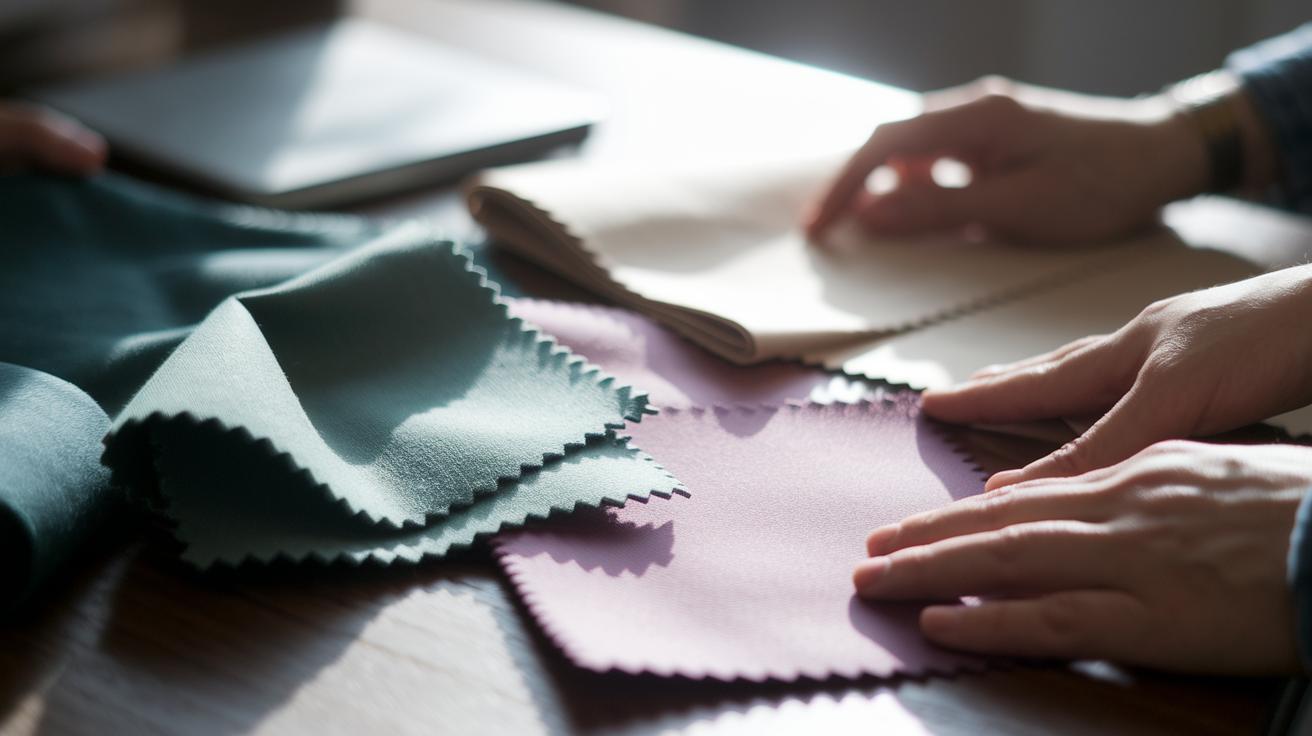
Sustainability in fashion starts right at the fabric. More and more, designers are choosing renewable textile techniques that use materials which are both eco-friendly and biodegradable. Imagine the gentle touch of fabrics that cut water usage and skip the harsh chemicals, a refreshing step toward truly responsible production.
Here are some standout examples:
- Organic cotton: Using up to 91% less water and shunning synthetic pesticides, this fabric is a favorite in sustainable collections.
- Recycled polyester: By turning old PET bottles and textile scraps into new fabric, it lessens the need for virgin petroleum and reduces chemical processing.
- Biodegradable textiles: Materials like Tencel and pineapple leaf fibers break down quickly in nature, leaving only a minimal environmental footprint.
- Botanical wear: With natural dyes such as indigo and madder, this method minimizes chemical runoff while keeping water quality intact.
- Reclaimed fabrics: Transforming textile waste into fresh garments, this practice eases the pressure on our resources and curbs chemical use.
Industry leaders are truly raising the bar by weaving more renewable materials into their processes. They’re ditching conventional options in favor of organic alternatives and recycled innovations. This shift not only showcases environmental responsibility but also fuels creative design ideas. By leaning into botanical techniques and reclaimed fabric methods, brands are boosting their sustainability credentials and appealing to shoppers who care about the planet. It’s an exciting time as eco-friendly fabrics set new trends and pave the way for the future of fashion.
Sustainable Fashion Production: Ethical Practices & Fair Labor
Raw-material sourcing is the foundation of ethical production. It's like setting the blueprint for lowering a garment's carbon footprint. Designers now juggle in-house crafting with teaming up with trusted suppliers, ensuring every material fits an eco-friendly vibe. And believe it or not, even little details like packaging and trims can add up to about 10 percent of a product's overall environmental impact. Just picture picking recycled paper and metal-free fastenings as easily as choosing that perfect accessory to complete your outfit. This approach is smart and stylish, cutting waste while keeping both function and flair intact.
Certifications such as Fair Trade, GOTS, and Bluesign are key to proving ethical labor practices and safe chemical use. Many brands back their eco-claims with clear goals, like reaching 50 percent recycled content by 2025, and they track progress at each production step. In truth, ethical design goes from the initial sketch to the very last stitch. As one insider put it, it's like crafting a timeless piece where every detail and certification reinforces a commitment to fair labor and thoughtful material sourcing. These efforts not only clear up the production process but also empower consumers to support fashion that's truly ethical.
Sustainable Fashion Business Models & Circular Economy

Fashion is taking a fresh twist as brands fully embrace a circular approach. Instead of the old one-and-done mentality, designers and labels are now crafting pieces meant to live longer. Picture this: clothes that keep coming back through return programs, rental options, resale shops, and handy repair services. And behind the scenes, eco-friendly methods like waterless dyeing, closed-loop water systems, and solar-powered lines are quietly cutting emissions and preserving our precious resources. It’s like designing with a future in mind, each garment made to be reused, reimagined, and loved again.
Innovative brands are turning these ideas into everyday practice. Some even set up in-store repair corners and exchange spots for preloved items, while others join forces with local recyclers to transform fabric scraps into something new. These movers stick to strict eco rules and certifications that back up their green credentials. By reducing waste and lowering their environmental footprint, they’re not just winning over eco-conscious customers, they’re championing a sturdier, more sustainable fashion future. And honestly, isn’t that the trend we can all get behind?
Sustainable Fashion Trends, Innovations & Brand Spotlights
Fashion is on a thrilling new path. Designers are blending eco-friendly outfit trends with speedy, fashion-forward alternatives, creating a buzz that feels both fresh and responsible. It's like watching a creative revolution unfold, where every piece is a nod to ethical practices and mindful production.
Brand Case Studies
Ever wondered what real change looks like? Look at Stella McCartney's recycled fiber couture, transforming discarded materials into wearable masterpieces, or Eileen Fisher's take-back program, which has rescued more than 200 tons of garments since 2009. These standout examples show that sustainable practices can be as stylish as they are smart.
Material & Design Innovations
Designers are rethinking every stitch. They’re experimenting with natural dye techniques that capture the essence of nature, imagine fabric infused with colors lifted straight from indigo plants, softly embracing your skin. This shift spotlights eco-friendly trends while staying true to responsible style. Think artisanal tailoring combined with upcycled elements and clever zero-waste patterns that not only look amazing but also speak directly to the eco-conscious soul.
Ethical Runway Exhibits
Global fashion weeks are buzzing with energy as ethical runway exhibits redefine luxury. Climate-positive initiatives now shine on the catwalk, proving that beauty and integrity can walk hand in hand. These events are more than just a display of beautiful designs; they set inspiring benchmarks for ethical production and encourage designers to dig deep into green practices.
In truth, the intersection of eco-friendly outfit trends and innovative design hints at a future where fashion is both breathtaking and meaningful, reaffirming the industry's push towards a sustainable tomorrow.
Sustainable Fashion for Consumers: Benefits & How to Support

Sustainable fashion is more than just innovative fabrics and ethical production, it’s a real chance to make your everyday wardrobe work for the planet. When you go for eco-friendly styles, you’re cutting down on waste, reducing carbon emissions, and backing fair-wage labor, all at once. Ever wondered how small tweaks in your closet can even boost biodiversity on organic farms? More and more people are choosing green wardrobe essentials, blending smart style with a genuine care for both people and the earth. In fact, 67 percent of shoppers now check eco-labels before buying, which shows just how much smart, low-impact style is catching on.
- Build a capsule wardrobe by investing in fewer quality pieces that effortlessly mix and match.
- Try thrifting, renting, or swapping your favorite clothes to keep them in rotation instead of buying new every season.
- Look for items with certifications like GOTS, Fair Trade, or OEKO-TEX to be sure they meet ethical and environmental standards.
- Stay in the know about conscious shopping by checking out guides and studies that explain the benefits of each eco-friendly choice.
Every little move towards sustainable fashion makes a difference, shrinking your environmental footprint and pushing the industry toward fairer, greener practices. With each thoughtful purchase, you're not just wearing a style, you’re championing a cleaner, more responsible future.
Future of Sustainable Fashion: Research & Emerging Practices
Big changes are shaking up how brands evaluate every step of a garment's journey. Researchers are now diving into lifecycle assessments, a method that tracks environmental impact from the raw material stage right through manufacturing and disposal. In the lab, innovative minds are testing bio-based textiles like algae and mushroom leather. These materials could reduce our dependence on fossil fuels and even aid in restoring natural ecosystems. Meanwhile, regenerative agriculture is finding its way into production, inviting nature back into the process and offering fresh, sustainable techniques.
Then there are cutting-edge production methods making waves in the industry. Think 3D printing and microbial fermentation that can cut resource use by up to 60 percent. University-industry partnerships are bridging the gap between academic breakthroughs and practical, real-world solutions. These collaborations are not just research projects, they’re setting the stage for smarter, greener choices that promise a cleaner, more innovative future for fashion.
Final Words
In the action, we explored the core elements shaping what is sustainable fashion. We broke down ethical production methods, eco-friendly fabrics, and circular business models that are transforming the industry. Key trends and real-world examples showed how conscious consumer choices can remarkably reduce environmental footprints. These insights inspire a thoughtful shift in personal style, one that benefits everyone. Embrace the innovative techniques and smart practices shared here, and start adding a green twist to your wardrobe today.
FAQ
Why is sustainable fashion important?
The importance of sustainable fashion lies in its ability to reduce carbon emissions, minimize waste, and promote ethical labor practices. This approach helps conserve natural resources and supports social responsibility throughout the industry.
What is sustainable fashion?
The definition of sustainable fashion refers to the ethical production of clothing using eco-friendly materials and mindful supply chain practices. It focuses on reducing environmental damage while ensuring social justice in every step from design to disposal.
What are sustainable fashion practices?
Sustainable fashion practices include using organic materials, recycling textiles, and applying ethical production techniques. These methods lower resource consumption, cut chemical waste, and maintain fair labor, crafting garments that last longer.
How does sustainable fashion help the environment?
Sustainable fashion helps the environment by lowering water usage, cutting carbon emissions, and reducing chemical pollution during production. This eco-conscious approach decreases waste while preserving essential natural resources.
What are examples of sustainable fashion?
Examples of sustainable fashion include brands that use recycled polyester, organic cotton, biodegradable fabrics, and vintage clothing. Upcycling and clothing take-back programs further highlight responsible strategies in the industry.
What are the 5 R’s of sustainable fashion?
The five R’s refer to reduce, reuse, repair, recycle, and rethink. This framework encourages minimizing waste, saving resources, and reimagining clothing design to extend garment lifecycles.
Why is sustainable fashion a problem?
The challenge with sustainable fashion comes from higher production costs and limited scalability. Critics note that ethical practices often struggle to match fast fashion’s low prices and mass production methods, complicating widespread adoption.
What constitutes sustainable fashion brands?
Sustainable fashion brands commit to ethical production, using eco-friendly materials and transparent supply chains, while adhering to fair labor standards. They typically innovate with circular economy principles and work hard to lower their environmental impact.
How is sustainable fashion explained in essays and online sources like Wikipedia?
Explanations in essays and on Wikipedia emphasize eco-conscious production, ethical labor, and reduced environmental impact. They combine concrete data and practical examples to illustrate the need for a shift away from fast fashion toward more responsible practices.