
Ever been curious about how a quick sketch transforms into a look that stops traffic?
It all starts with a pulse on market insights and a burst of creative brainstorming.
Next, the team dives into detailed design and careful production planning, turning wild ideas into clear blueprints.
Each step reveals how thoughtful collaboration and smart choices bring a brand’s vision to life, effortlessly morphing raw creativity into wearable art.
Fashion Product Development Process Overview
Fashion product development is where brilliant ideas become real, market-ready clothing collections. It all starts with digging into market research, feeling out the latest trends and letting them spark creative design ideas. From brainstorming initial sketches to prototyping, each step involves picking perfect materials that not only perform well but also meet sustainability goals. It’s like watching a designer craft a masterpiece; every part of the process is planned out to fit together seamlessly while reducing risks in a cutthroat market.
Collaboration is the secret ingredient here. Design teams, sourcing pros, production managers, and marketing experts all come together, mixing creative flair with practical know-how. They keep an eye on key details like production costs, how long it all takes, and what customers really love. Clear communication and smart, data-driven choices help tweak every element along the way, ensuring that every piece of the collection not only meets quality standards but truly represents the brand’s vibe.
Next, we dive deeper into each phase. You’ll see how those initial market insights turn into real design ideas, how materials are carefully sourced, and how production is meticulously planned. We break down every technical step that transforms early prototypes into finished collections. It’s a journey that boosts profitability while making sure every collection shines with the brand’s unique identity.
Research & Trend Analysis in the Fashion Product Development Process

Fashion brands kick off their creative journey months before production by diving into a mix of runway reviews, social media chatter, retail insights, and influencer buzz. They comb through historical sales and insightful fashion blogs, spotting early hints of emerging styles. It’s like listening to a soft whisper of tomorrow’s must-have details before the big buzz hits.
Digital forecasting tools take center stage by turning raw data into clear, actionable insights. AI-powered platforms and machine learning algorithms sort through heaps of numbers to pick up on subtle shifts in fabric textures, color trends, and design preferences. Ever wonder how these smart tools make the design process a bit less risky? They help shrink trend-approval cycles and ensure that creative decisions sync with what consumers really want.
Some common trend analysis methods include:
- Keeping an eye on social media buzz in real time.
- Diving into sales data and past performance.
- Using AI to predict future patterns.
- Following runway highlights and industry events.
- Gauging digital consumer sentiment.
Integrating consumer behavior is key. Brands blend digital insights with direct customer feedback and online engagements to refine their product strategy. This mix of hard numbers and genuine opinions influences everything from chosen hues to silhouette styles, ensuring that each collection truly resonates. By comparing these insights with the latest trends on current trends in fashion, brands keep their approach focused and market-savvy.
Concept & Design in the Fashion Product Development Process
Designers jump straight into creativity by turning trend insights into fresh ideas during lively brainstorming sessions. They collect inspiration from all sorts of sources, from handpicked images on mood boards to fabric swatches and even unexpected details that add a spark. Imagine a designer sketching a new silhouette while assembling a collage of magazine clippings, fabric samples, and vibrant colors. It’s a bit like mixing ingredients in a stylish kitchen to whip up a concept that truly vibes with today’s market.
Then comes the next step: taking that creative spark and refining it with detailed technical sketches and digital drafting using CAD. Rough hand sketches gradually transform into accurate patterns and specifications. And, honestly, converting those early drawings into full blueprints makes it so much easier for production teams to follow along. Every curve and seam is thought through, blending free creative expression with technical exactness. In fact, smart use of virtual prototyping tools can cut the time it takes to move from sketch to sample by up to 40%. It's like making sure every fabric drape, support structure, and line of the design fits perfectly together.
Lastly, digital collaboration truly brings the process together. Creative teams hop online, sharing sketches, mood boards, and CAD drawings in real time. This synchronized effort bridges the gap between raw artistic ideas and the nitty-gritty technical details, ensuring that every design evolves smoothly into a product that not only meets market needs but also keeps the brand’s signature style intact.
Material Sourcing & Textile Selection in the Fashion Product Development Process
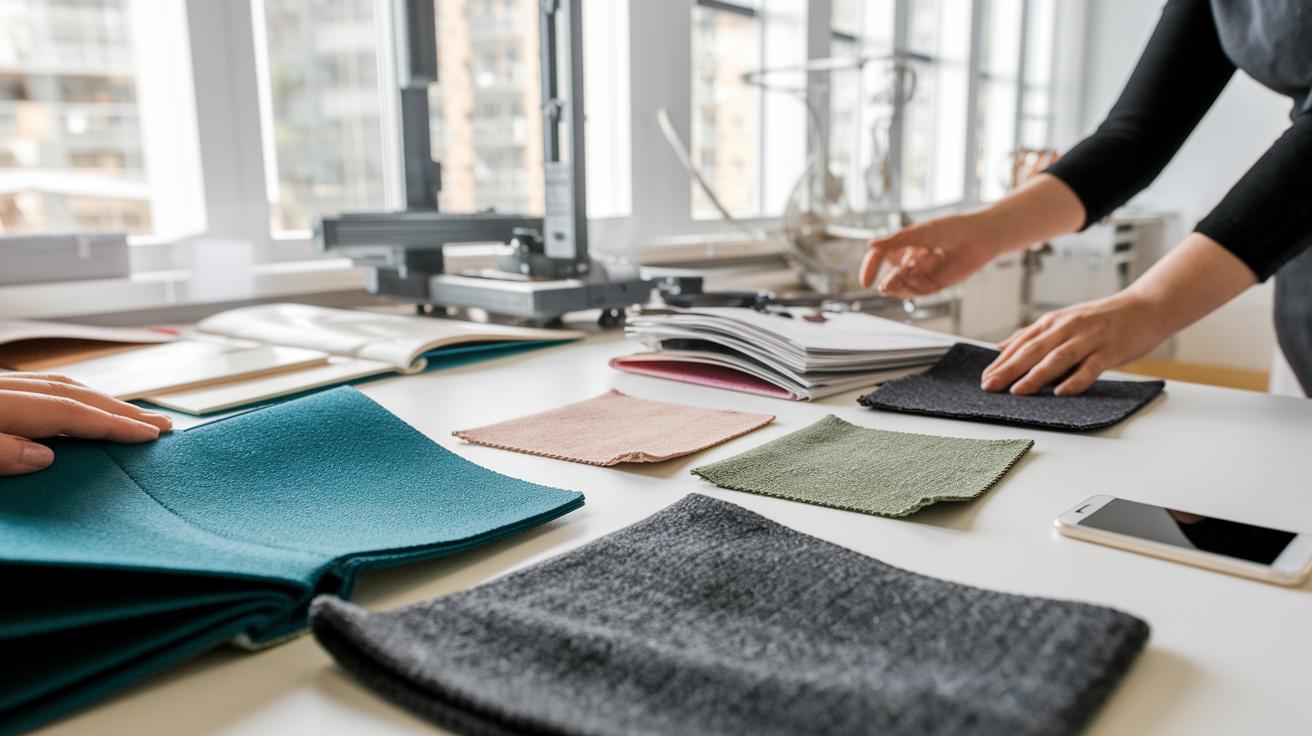
Brands kick off their material quest by carefully vetting potential suppliers, and it’s not just about scoring the best price. They check every detail, from consistent fabric texture to reliable performance, testing samples and reviewing production capabilities. For example, imagine a designer asking for a live demonstration of fabric durability or comparing side-by-side samples, the goal is to pinpoint the perfect fabric that stands up to multiple washes without losing its charm.
Sustainability is a game-changer these days. Brands now weigh environmental impact along with texture and durability. Think about the rise of lab-grown leather and recycled PET; these innovative fabrics tie right into eco-friendly standards. They’re evaluated against new tech methods that help shrink carbon footprints, blending style with responsibility and matching the growing demand for greener fashion.
Finally, it’s all about balancing cost with quality. Decision-makers scrutinize each fabric from its initial soft feel to how well it endures over time. They look at drape, resilience, and comfort, all weighed against the cost to ensure each material not only elevates the design but also meets financial targets. Detailed tests and cost analyses guide this careful selection, making sure every fabric supports both creative vision and profit margins.
Prototype Creation in the Fashion Product Development Process
Prototypes mark the moment when creative sketches start their journey into wearable art. They turn design ideas into a firsthand experience, letting you see how that silhouette truly flows and fits. It’s the stage where you catch little design hiccups early, saving time and effort before moving into full production.
Balancing hands-on samples with digital versions is key. Physical prototypes offer that tangible feel and real fitting sessions, while digital simulations, often done with digital twins (virtual replicas of a design), help perfect the fit and trim down the number of physical samples needed. Some brands even report cutting down on physical samples by 70% using these virtual techniques. Wild, right?
The process flows through clear stages:
- Tech pack review
- Sample sewing
- Fitting session
- Adjustment cycle
- Final approval
| Phase | Activity |
|---|---|
| Tech pack review | Dig into design documents and detailed specs |
| Sample sewing | Craft the first physical version of the look |
| Fitting session | Run through real-world testing for fit and structure |
| Adjustment cycle | Tweak the design based on what works and what doesn’t |
| Final approval | Give the green light for production |
Feedback drives this whole process. Designers use insights from each round of testing to refine every detail until the piece is just right. Mixing in both the physical and digital worlds not only speeds everything up but also keeps resources in check. It’s like piecing together the perfect runway look, trial, error, and a whole lot of style before the final debut.
Production Planning & Cost Estimation in the Fashion Product Development Process

Turning a sample into a full-blown production masterpiece really starts with perfect timing. Think of it as a well-rehearsed fashion show, where every design approval meets factory availability with precision. We set clear, friendly timelines so that each detail, from factory shifts to equipment tweaks, flows perfectly from the creative studio to the busy assembly line.
Then there’s the all-important cost breakdown. Every cost, whether it’s raw materials, labor, or even packaging, gets its own little spotlight. By going over each expense step by step, teams create a solid financial roadmap that supports big, bold ideas while keeping the budget in check. This careful planning lets you dodge surprises and maintain a smooth pricing strategy for every garment.
And it’s not just about the numbers; logistics play their own major role here. Coordinating inventory, scheduling supplier drop-offs, and organizing production runs all add up to an efficient operation. With smart planning, materials arrive right on cue, production stays on track, and every piece is ready to shine, just when it’s meant to.
Finally, robust financial controls hold everything together. Budget frameworks and pre-manufacturing checklists work hand in hand to track the cost of each garment and the overall process. By keeping an eye on lead times and targets, every collection is prepped to hit launch deadlines while staying true to its financial blueprint.
Quality Assurance & Compliance in the Fashion Product Development Process
Inspections are truly the backbone of quality control. Throughout production, teams dive into detailed checks, examining fabric texture, seam strength, and finishing details, to make sure each piece lives up to the set standards. And it’s not just about a one-time look; in-line evaluations during manufacturing quickly flag any glitches as they arise, paving the way for a smooth final review.
Before shipment, every garment gets one last thorough audit. These final checks confirm that each item has passed through multiple quality checkpoints, ensuring everything aligns with the benchmark we're aiming for. Only products that meet all the criteria get that final go-ahead, so you can be confident they're ready for the market.
The process doesn’t stop at quality alone. Strict ethical production and safety standards are woven into every stage. Manufacturers stick to firm guidelines to create safe work environments and uphold socially responsible practices. By setting clear benchmarks like acceptable defect rates and safety protocols, the whole team builds trust with customers. This approach not only checks all the legal boxes but also echoes a genuine commitment to best practices throughout production.
And here’s where technology steps in too. Modern PLM systems centralize all quality assurance records, making everything from key performance indicators to detailed inspection logs easily accessible. This digital centralization streamlines communication, boosts efficiency, and keeps the focus on premium quality every step of the way.
Launch & Post-Production Feedback in the Fashion Product Development Process
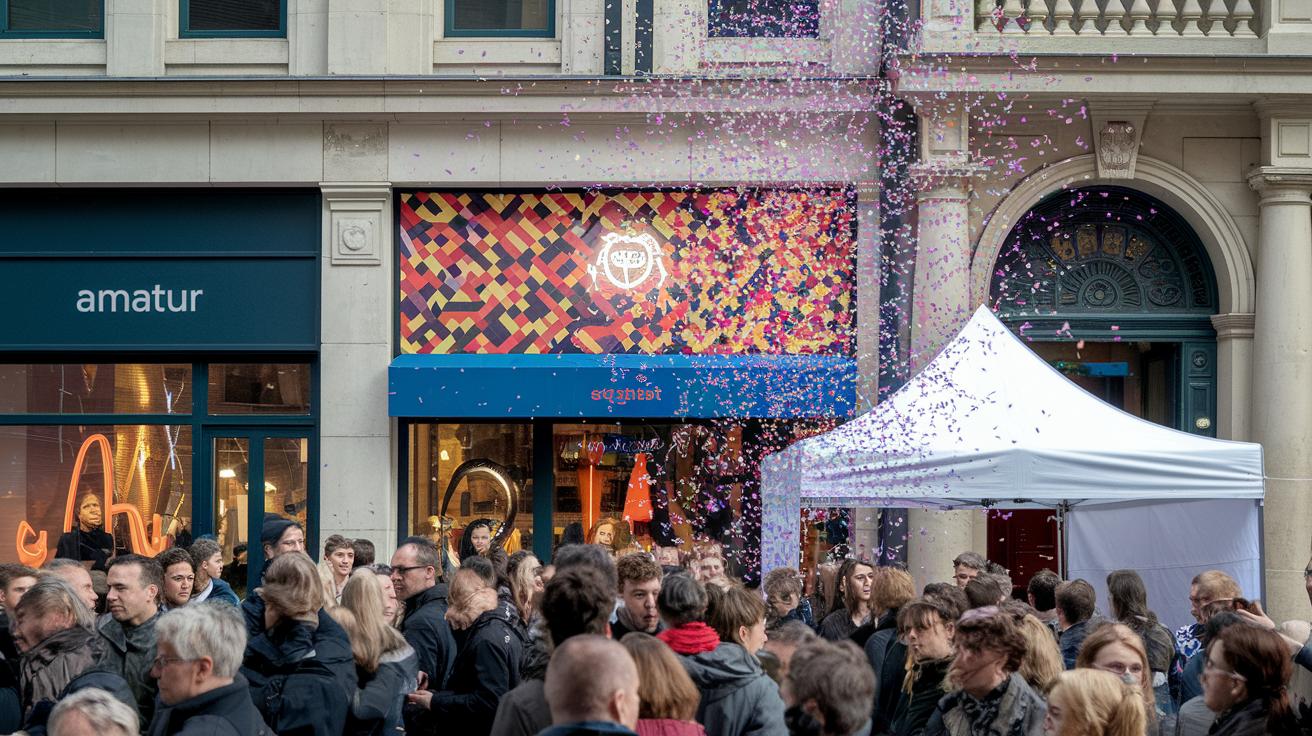
Brands kick off a new season like unwrapping a beautifully packaged surprise. They combine dazzling visuals, buzz-worthy social media posts, and eye-catching pop-up events to create hype and excitement. Ever wondered how that irresistible vibe is built? It starts with carefully crafted messages that tease every unique detail, drawing both die-hard fans and curious newcomers into the story.
Getting these products into your hands is just as thrilling. Brands team up with savvy retail partners, online stores, and even direct-to-consumer pop-ups to ensure everything lands smoothly. They work hand in hand with logistics pros, almost like planning a perfectly timed runway show, to make sure inventory hits the right markets at just the right moment. This smart planning boosts both shelf presence and digital prominence.
Once the spotlight is on the product, immediate feedback takes center stage. Designers and marketers closely monitor everything from sales numbers to genuine, on-the-ground customer reviews. They listen intently to both the cheers and the constructive critiques, using these insights to fine-tune future designs and campaigns. It’s a fast, flexible, and very human way to adapt before a hiccup turns into a hurdle.
Every lesson learned fuels the next chapter. By weaving in fresh consumer feedback into design tweaks and inventory shifts, brands keep their collections evolving. Each release builds on the last, ensuring the lineup remains as dynamic and in-tune as the ever-changing world of fashion.
Final Words
In the action of transforming creative ideas into market-ready apparel, we explored everything from trend research and innovative design to material selection, prototyping, production planning, and quality assurance. Each phase plays a pivotal role in crafting collections that capture the essence of modern style.
With a focused approach to the fashion product development process (from concept to production), this breakdown brings a refreshing mix of behind-the-scenes insight and actionable tips to keep your style game ahead and thriving.
FAQ
Q: What PDF resources explain the fashion product development process from concept to production?
A: The PDF resources on the fashion product development process detail how creative ideas transform into market-ready garments by outlining every step from initial sketches to production, offering clear examples for practical industry application.
Q: What does a fashion product development process example include?
A: A fashion product development process example illustrates the journey from design ideation and mood boards through prototyping and quality checks, providing real-world insights into transforming a concept into a finished collection.
Q: What career opportunities exist in fashion product development?
A: Fashion product development careers include roles such as product developer, technical designer, and trend analyst, where professionals manage the transition from creative ideas to market-ready apparel.
Q: What can a fashion product development course teach me?
A: A fashion product development course teaches design-to-production techniques, market research methods, material sourcing strategies, and quality control best practices, preparing students for industry challenges.
Q: How is a fashion product developer’s salary determined?
A: A fashion product developer’s salary is determined by factors such as experience, education, geographic location, and company size, reflecting the technical expertise and coordination skills required in the role.
Q: What are the key stages of the product development process in the fashion industry?
A: The product development process in fashion typically includes ideation, design, material sourcing, prototyping, production planning, quality assurance, and launch, with each stage building on market trends and technical insights.
Q: How do the 5 stages of the product development process differ from the 5 stages of the fashion cycle?
A: The 5 stages of product development cover the journey from planning to production, while the 5 stages of the fashion cycle highlight the commercial lifespan—from introduction and growth to peak sales, decline, and eventual renewal of trends.