

Ever thought about whether yesterday’s methods can really predict what’s hot tomorrow? Traditional forecasting sticks to old sales records and basic spreadsheets, kind of like reading yesterday’s headlines to understand today’s vibe. But radar-based analysis switches things up by using real-time data and machine learning, catching fresh trends as they emerge. In this post, we’ll break down these two approaches and see how the reliability of time-tested techniques stacks up against the fast, flexible flow of modern digital tools that track style shifts. Ready to explore which method truly rules today’s whirlwind fashion scene?
Comparative Overview of Traditional vs Radar-Based Fashion Trend Analysis
Traditional fashion forecasting depends on years of experience and tried-and-true data like historical sales and seasonal trends. It relies on static spreadsheets and basic models, which sometimes overlook rapid shifts in consumer behavior driven by global events. It’s like reading yesterday’s newspaper when today’s headlines truly matter.
Radar-based trend analysis, on the other hand, kicks things up a notch with machine learning. It processes real-time inputs from point-of-sale data, social media buzz, weather updates, and regional factors. This method updates forecasts almost as soon as trends start to emerge, catching those early signals that might slip past traditional systems.
| Method | Core Data Sources & Workflow |
|---|---|
| Traditional | Historical sales data, seasonality metrics, manual spreadsheets, static models |
| Radar-Based | Real-time inputs from social signals, POS, weather data; adaptive machine learning workflows |
This side-by-side comparison clearly reveals how traditional methods lean on established routines, while radar-based analysis is forward-looking and ready to adapt to the ever-changing fashion landscape.
Traditional Fashion Trend Analysis: Data Collection, Tools, and Processes

Traditional forecasting in fashion usually depends on old sales records, seasonality numbers, and plain spreadsheets. Planners tend to lump together items with broad terms like "short pants" or "V-neck tops." Picture this: a designer dug through a mountain of outdated sales logs looking for new trends, only to realize those records missed subtle hints, like a slight change in color balance or fabric vibe.
This old-school method focuses on what already happened, often missing the emotional pulses that actually drive most buying decisions today. Planners mix in these old numbers with their gut feelings, a combo that just can’t keep pace with the rapid flow of modern fashion.
Now, radar-based analysis steps in to fill those gaps. By tying historical data to real-time insights, it picks up on those nuanced shifts in style that really matter. It goes beyond the generic labels, capturing all the little details that spark a trend into life.
Radar-Based Fashion Trend Analysis: Technologies, Algorithms, and Data Inputs
Imagine a high-tech detective piecing together the hidden signals of fashion as they happen. That’s exactly what radar-based trend analysis does. Platforms like F-Trend use a clever tool called ColorAnalyzer, which boasts an impressive 98% accuracy in spotting colors while capturing multiple design details. It looks at every aspect of runway images, shade, brightness, and how colors mingle on various fabrics. It’s pretty much like watching clues in a mystery unfold.
The magic doesn’t stop there. Smart sensors and digital platforms work together to track what shoppers are up to in real time. Whether it’s snapshots from social media, data from checkout systems, or even weather influences, all these inputs blend into a vibrant picture of what’s trending now. Digital signal analysis quickly shifts gears from old reports toward future-focused predictions. For example, today’s algorithms can distinguish the fine design elements that make you say “Wow!” far beyond just labeling them as “short pants.”
With machine learning at its core, this method picks up on even the softest shifts in style early on. While it runs on full automation, it still flexes its adaptability when market trends take sudden turns. Every little digital footprint is transformed into valuable data, giving brands a head start on managing inventory and making smart marketing moves. In a nutshell, this radar-powered approach not only speeds up trend spotting but also delivers detailed insights that keep the fashion industry fresh, innovative, and always ready for the next wave.
Accuracy and Predictive Power: Comparing Forecast Reliability and Lead Time
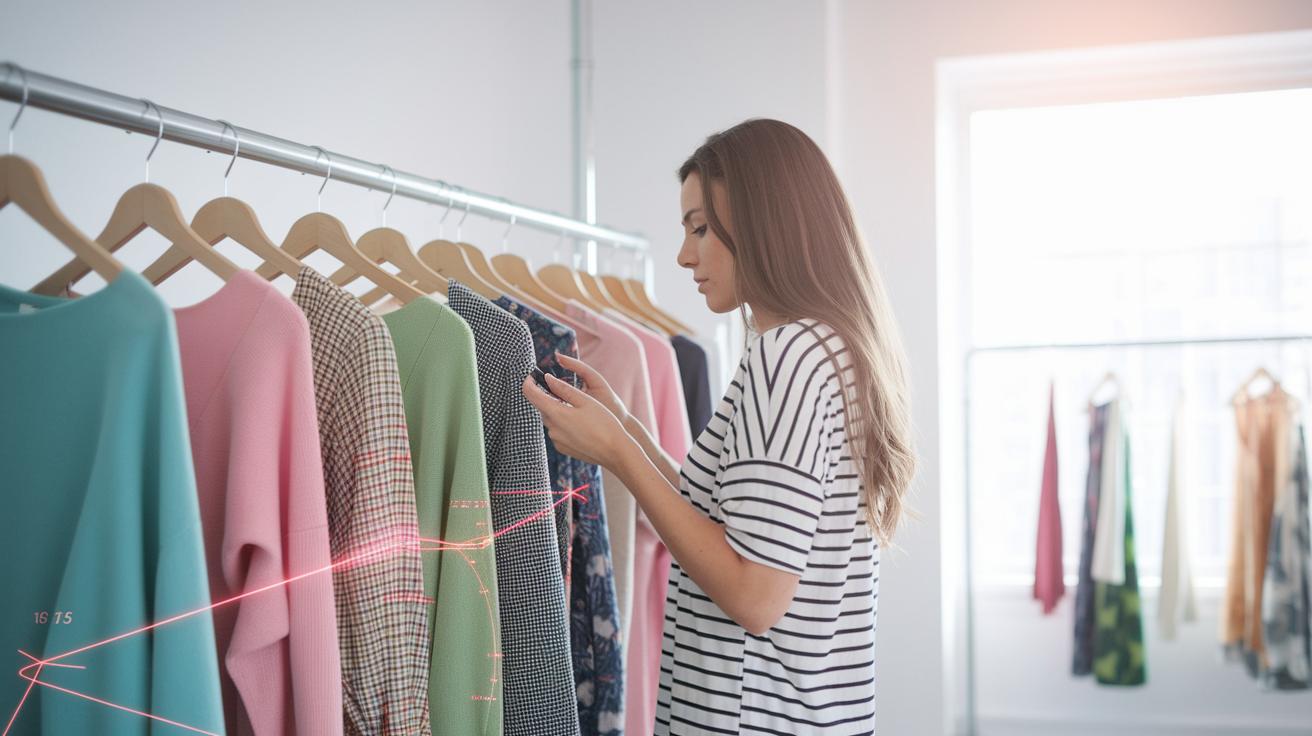
Traditional forecasting feels a bit stuck in the past. Relying on old data and static spreadsheets means it often misses those subtle shifts, like a unique fabric glow or a slight pop in color, that hint at a new trend. Instead of catching fresh, dynamic trends, these methods seem to rehash yesterday's news, leaving planners trailing behind real-time market buzz. Ever thought how a planner checking out last season's V-neck tops might overlook a gentle change in fabric tone that was actually a whisper of something new?
Radar-based systems are a total game changer. By blending up-to-the-minute inputs from runway reports, point-of-sale data, and even social media buzz, these tools help predictive models spot trends weeks ahead. Imagine reading a report that a well-known European label caught a subtle twist in denim washes long before everyone else, thanks to this new tech, inventory adjustments happened in record time, boosting early trend detection by about 20%.
Modern predictive algorithms bring even more flair to the table. They use advanced regression and real-time data fusion to catch every nuance in color harmony, brightness, and saturation. Picture a system that notices even the slightest dimming of a fabric’s luster during a live event, signaling brands to fine-tune production ahead of a market flood.
- Traditional models serve static snapshots.
- Radar-driven insights offer the real-time edge.
- Multi-layered data integration now makes trend detection sharper than ever.
Real-World Case Studies: Applications of Traditional and Radar-Based Trend Analysis
A top fashion brand recently took a bold leap by testing out radar-based forecasting to balance inventory and cut down on textile waste. They ditched the old, labor-intensive spreadsheets and outdated seasonal data in favor of smart, AI-driven models. The result? A sharp drop in overproduction, a refreshing change from traditional methods that have added up to 92 million tonnes of textile waste every year.
In one inventive pilot project, the brand blended automated trend forecasting with detailed product-bundle analysis. Picture this: a stylist spots a cool detail on the runway during a live show, and just hours later, automated signals kick in with trend insights, while human planners throw in context from marketing campaigns and retail events. Believe it or not, a renowned label once discovered that mixing AI cues with designer intuition cut inventory waste by almost 25% in just one season.
Comparative research paints a clear picture: while old-school analyses lean on static, backward-looking data, radar-based systems serve up early signals that pinpoint subtle design cues. By harnessing both approaches, the brand managed to dodge market volatility and keep inventory in line with real consumer tastes. This collaboration between high-tech algorithms and experienced planners has rewritten their playbook, boosting operational efficiency and slashing their environmental impact.
Cost, Efficiency, and Resource Comparison in Traditional vs Radar-Based Methods

Traditional forecasting kicks off with a tiny initial expense, leaning on basic tools like spreadsheets and lots of manual data entry. It might look wallet-friendly at first, but the heavy labor and lack of detail quickly add up. Imagine a planner painstakingly updating figures for every season and still missing those subtle changes that drive sales. In truth, this method racks up costs in time and effort without capturing the evolving tastes of customers.
On the other hand, radar-based platforms require you to invest more from the start. You’re shelling out for advanced sensors, a solid data setup, and those snazzy algorithm licenses. But here’s the kicker: that investment streamlines your operations, curbs overproduction, and slashes markdowns. Smart tech automatically pulls in real-time data, which not only cuts down on human slip-ups but also saves on labor. Some early trials even show that radar-enabled forecasting can drastically reduce inventory and waste, translating into a fantastic return on investment for brands.
| Aspect | Comparison |
|---|---|
| Setup Costs | Low initial spend vs investment in high-tech solutions |
| Labor Intensity | Manual updates vs automated data capture |
| Return on Investment | Limited efficiency vs reduced waste and markdowns |
In short, it's all about deciding between a lower upfront cost and long-term operational efficiency.
Integrating Traditional Expertise with Radar-Based Analytics for Optimal Forecasting
When digital precision meets human instinct, you get a forecasting engine that's both smart and vibrant. Imagine our radar systems picking up early design hints while seasoned planners infuse context from recent marketing bursts, runway glows, and in-store buzz. It’s like pairing a high-tech digital clock with the creative flair of a master watchmaker – one marks every beat, and the other brings in the soulful vibe.
In practice, this method shines when team members join forces on focused pilot projects. For example, in a trendy forecasting test run, automated tools spot fresh design cues, and planners share insights fresh from the runway. Similarly, when bundling products, our radar data highlights the aesthetics that everyone's craving, while planners pinpoint the perfect accompanying pieces.
Our approach hinges on collaboration and clear strategy. Regular brainstorming and smooth data-sharing help balance crisp digital signals with the intuitive eye of fashion designers. This blend not only boosts precision but also fine-tunes inventory, trims waste, and elevates marketing strategies that truly echo what the modern consumer is looking for.
Final Words
In the action, our exploration traced the evolution from historical methods to modern, sensor-driven insight. The post showcased how conventional forecasting, anchored in static data, contrasts with radar-based approaches utilizing real-time signals and machine learning. Case studies and cost comparisons illustrated how merging these techniques can upgrade style intelligence. Comparing traditional vs radar-based fashion trend analysis unveils a fresh toolkit for style strategists. Embracing this blend of classic and digital sparks a future of smart, dynamic fashion forecasting.
FAQ
How do traditional vs radar-based fashion trend analysis methods compare?
The traditional method relies on historical sales data and static spreadsheets, while the radar-based approach uses real-time signals and smart algorithms to capture rapid style shifts and consumer cues.
What is trend forecasting in fashion?
The concept of trend forecasting in fashion involves predicting upcoming styles and consumer behavior by combining historical data with current market signals, helping brands align designs and inventory effectively.
How is AI used in fashion trend forecasting?
The use of AI in fashion trend forecasting analyzes social media, point-of-sale data, and digital signals to identify subtle patterns early, enabling brands to adapt designs based on emerging consumer insights.
What role do fashion trend forecasting agencies play?
Fashion trend forecasting agencies gather and process diverse data streams, merging expert human insight with digital analytics to offer strategic recommendations that guide both design decisions and retail planning.
What does the Fashion Trend Forecast 2025 PDF report cover?
The Fashion Trend Forecast 2025 PDF report details anticipated styles, color palettes, and consumer behaviors by combining historical trends with algorithm-driven insights to guide strategic buying and design.
What insights are provided by Fall 2026 and fashion fabric trends 2026 analyses?
Fall 2026 and fashion fabric trends 2026 analyses pinpoint upcoming seasonal styles and trending materials by merging runway signals with detailed fabric research, offering designers a data-driven preview of future trends.
How can you analyze fashion trends effectively?
Effective fashion trend analysis involves reviewing historical data, monitoring digital signals, and combining expert insight with algorithmic predictions to recognize emerging styles and shifts in consumer behavior.
How does Zara predict fashion trends?
Zara predicts fashion trends by integrating real-time consumer feedback from retail outlets with swift data analysis, allowing the brand to quickly adjust collections and stay ahead of changing market preferences.
What are the current trends in the fashion industry?
Current fashion trends merge sustainability, innovative designs, and tech-enhanced textiles driven by real-time consumer data, reflecting a shift toward mindful production and responsive design strategies.
How can AI be used to predict fashion trends?
AI predicts fashion trends by processing large datasets, identifying subtle shifts in consumer behavior through digital signals, and providing early warnings on emerging styles, thus supporting proactive design and production decisions.