

Ever wondered why 1950s fashion still captivates us? Right after the war, designers shook things up by embracing full skirts and cinched waists that celebrated every curve.
They ditched the plain, practical styles of the past for bold creations that brought a mix of elegance and raw energy. Each silhouette seemed to whisper stories of revival and reinvention, reminding us that great style is timeless.
Let's take a moment to explore how those innovative trailblazers set the stage for fashion that's as inspiring today as it was then.
Key 1950s Fashion Silhouettes and Their Designer Originators
After World War II ended, we didn't just feel relief, we witnessed a vibrant shift in fashion. Designers left behind the days of rationed, plain garments and welcomed full skirts paired with snug waists that radiated optimism. It was a celebration of natural curves, a bold departure from the strict, survival-driven styles of the war years. Fun fact: after so many years of practical dresses, women were excited to wear designs that truly embraced their figures with fluid skirts and defined waistlines.
A fresh burst of creativity swept the fashion world, with each designer putting their own mark on what was to come. Leading names started playing with bold shapes, steering clear of the sterile designs of the past. They brought structured bodices together with smooth, flowing lines that perfectly mirrored the era’s cultural revival, a true blend of emotion and artistry.
- Hourglass (Dior’s New Look)
- Swing skirt (Dior & American couturiers)
- Sheath dress (Chanel’s refined cuts)
- Sack silhouette (Givenchy’s luxury ready-to-wear)
- A-line & ball gown (Balenciaga & Schiaparelli)
These iconic silhouettes quickly became the face of 1950s femininity. Designers meticulously crafted every detail, from a delicately cinched waist to the playful curve of a swing skirt, to honor both elegance and strength. Their creations didn’t just define a generation; they sparked trends that still influence modern fashion, championing body positivity and visionary design. Every stitch and fold told a story of timeless appeal, inviting women to showcase their inner grace with confidence and a dash of flair.
Historical Context: Post-War Influence on 1950s Silhouettes
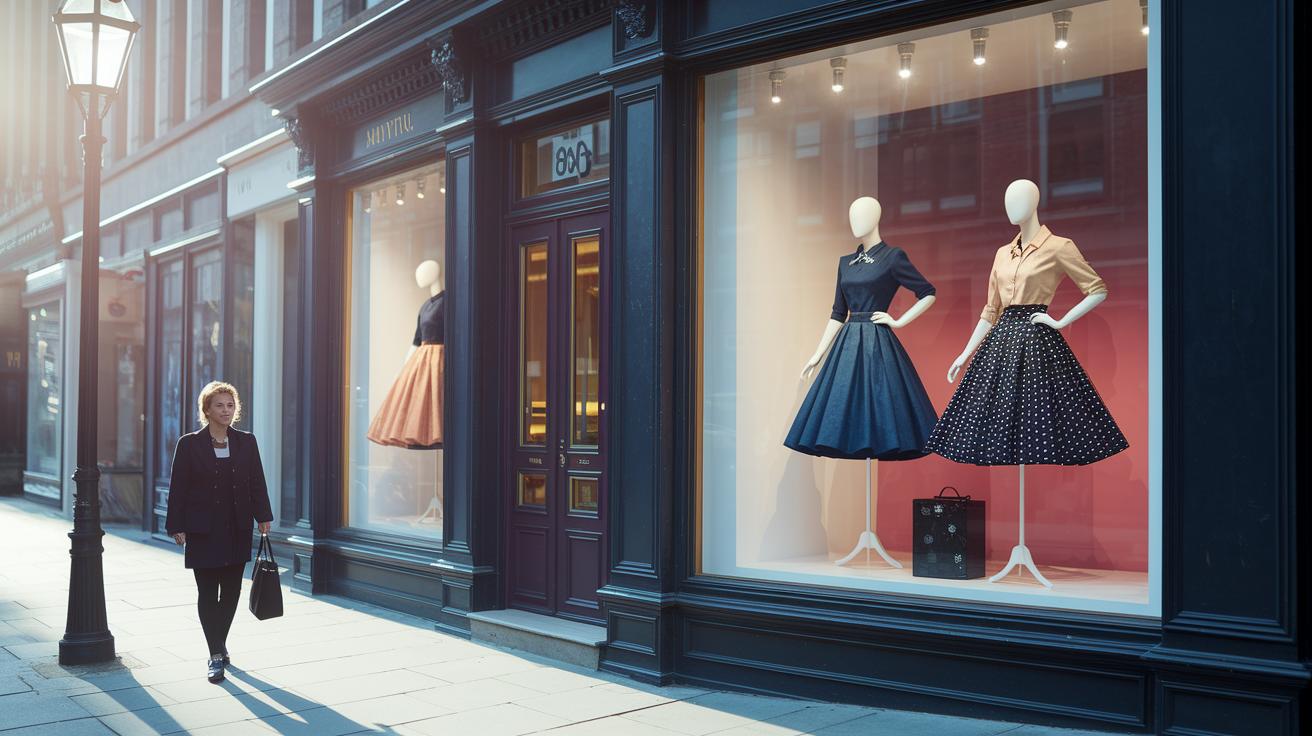
Right after the war, economic growth picked up like never before, and suddenly, everyday life felt refreshed with new energy. In the United States and Western Europe, people were eager to swap the utilitarian, tired fashions of wartime for something striking and modern. Ready-to-wear garments quickly became a symbol of renewed hope and a taste of luxury, inviting consumers to update their wardrobes with styles that truly celebrated a return to life.
Hollywood was a key player in this style revolution. Movie stars, with their elegant curves and full skirts, brought a sense of effortless glamour to the screen. Ever notice how these cinematic moments seemed to capture the essence of the era? Magazines caught on too, turning these film icons into bona fide trendsetters. Just imagine a scene from a classic film showcasing the graceful allure of designs like Dior’s New Look – it wasn’t just fashion, it was an artistic statement that resonated with the cultural vibe of the times.
And then came the rise of ready-to-wear lines, which allowed designers to share their creative visions with a global audience. This cross-border diffusion of chic styles ensured that the decade’s impact on women’s fashion remained timeless and influential.
Christian Dior’s New Look and Hourglass Transformation
In February 1947, Dior unveiled the transformative Corolle line, featuring full skirts crafted from up to 25 yards of fabric, cinched waists, and padded hips. It was a daring departure from the somber wartime styles, introducing playful, sumptuous curves that instantly captured the imagination of critics and fashion enthusiasts in America and Europe. Imagine stepping onto the runway and seeing a silhouette that turns minimalism into a celebration of luxury.
Critics were all praises for the collection, applauding its clever fabric choices and precise craftsmanship that reawakened a sense of feminine allure just when it was needed most.
This striking hourglass shape not only redefined dress codes but also sparked innovative undergarment designs to support its snug waist and flowing skirts. Designers worldwide caught on, blending classic construction techniques with modern spins to give women outfits that were both dynamic and well-proportioned. Think of a dress with a fitted bodice that highlights your waist while the skirt sways gracefully, a true nod to movement and elegance.
1950s fashion silhouettes and designers Radiate Timeless Style
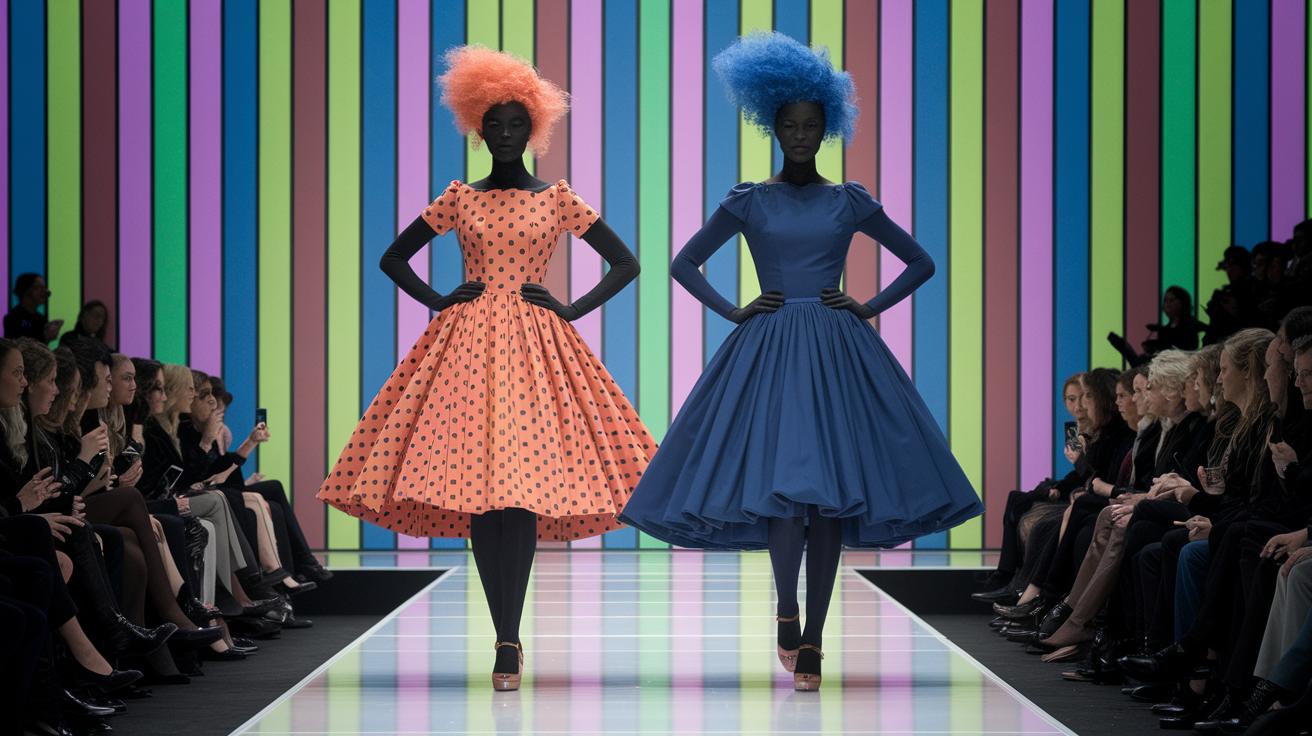
The 1950s totally reshaped women's style, mixing striking silhouettes with clever, playful designs. While Dior's mark on the era was huge, a group of trailblazing designers brought a fresh spin to everyday elegance. They embraced the post-war spirit, mixing fun, freedom, and a touch of sophistication that still influences what we call glamour today.
Hubert Givenchy
Back in 1952, Hubert Givenchy kick-started his own label and, just two years later, unveiled a luxury ready-to-wear line. He introduced what many called the sack silhouette, a relaxed yet refined take on formal fashion. Imagine the unforgettable wardrobe of Audrey Hepburn in Breakfast at Tiffany’s; that iconic look cemented Givenchy's place as a master of balancing comfort with understated class.
Yves Saint Laurent
Yves Saint Laurent started his journey at Dior at just 17, quickly rising to hold the top creative spot by 1957. Then in 1962, he boldly launched his own house, challenging traditional norms by designing women’s tuxedos and experimenting with transparent fabrics. His cutting-edge style combined crisp tailoring with a hint of softness, paving the way for women to exude both power and a delicate femininity on the runway.
Emilio Pucci
Emilio Pucci became the go-to name for those who loved bold, kaleidoscopic prints paired with sweeping, art-inspired designs. Known for his unique shantung pants and eye-popping color choices, Pucci pushed the envelope in a way that changed the face of couture. His creative ventures even spanned to designing Braniff flight attendant uniforms and reinventing ski wear, adding a burst of playful energy to traditional looks.
Mary Quant
Mary Quant burst onto the scene in 1957 with her boutique, Bazaar, igniting a fashion revolution that redefined everyday wear. Cherished for popularizing the mini skirt, Quant challenged old-fashioned norms and introduced a provocative, modern style that perfectly captured the spirit of the new youth culture. Her fearless approach to design encouraged women to embrace a chic, fun, and effortlessly rebellious look.
Technical Silhouette Innovations: Bodices, Peplums, and Slip Dresses
Back in the 1950s, fashion suddenly took a bold step forward. Designers started reshaping the female figure with a mix of careful engineering and creative flair. They reinvented the bodice using structured corsetry with bones and smart padding that molded the torso and defined a natural waist. And then came peplum jackets, a fun yet sophisticated twist at the hips that added an unmistakable style. Imagine a dress where every seam sings and every cut is a nod to both form and function.
Meanwhile, bias cuts in soft silk and smooth rayon changed the game, letting slip dresses drape the body with a relaxed, dreamy flow. Necklines got a playful, innovative touch too. Some were styled as gentle bateau cuts that cradled the collarbone, while others chose a daring plunging V that dramatically showcased the shoulders and upper chest. These sleek designs and carefully tailored forms didn’t just offer comfort, they made a stylish statement that celebrated the beauty of femininity with a modern twist.
Fabric and Construction Advances in 1950s Couture
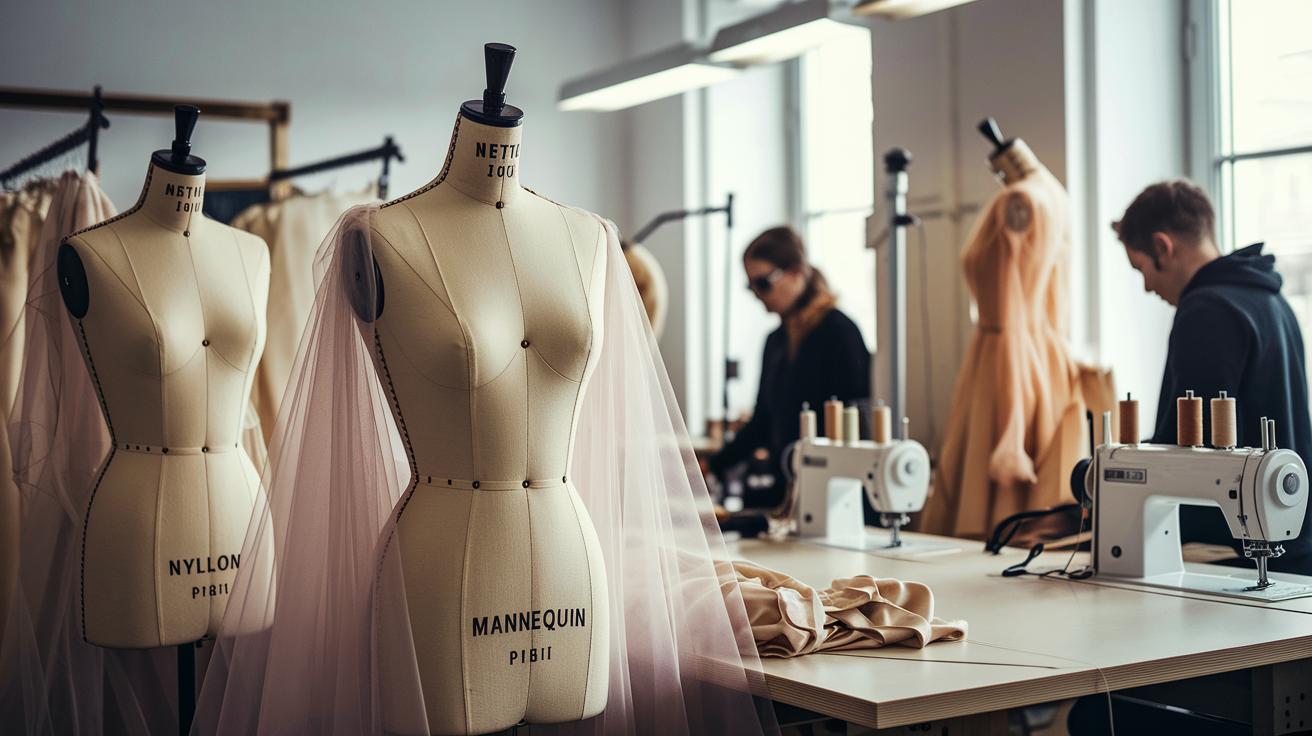
After the war, a wave of fabric innovations swept the fashion scene. Designers discovered that synthetic fibers like nylon and polyester blends could offer both lightness and durability. They began exploring lively textures, making taffeta, organza, and faille popular picks. These fresh materials replaced the old, heavier fabrics and invited designers to dream up inventive new silhouettes.
Then, breakthroughs in sewing machines and construction methods sparked a revolution in couture-level tailoring. Designers embraced precise, refined cuts that mixed creativity with technical know-how. Seam work became a celebrated art, turning each garment into a carefully crafted masterpiece. From sharply structured lapels to neatly aligned hemlines, every stitch brought forward a bold commitment to modern craftsmanship.
Next, advanced shapewear entered the scene, adding both structure and comfort to elegant ensembles. Lightweight, steel-boned corsets teamed up with innovative elastic fabrics to sculpt the body perfectly while allowing natural movement. This blend of design and technology supported the era’s focus on a graceful, well-defined figure, elevating couture pieces to possess an enduring visual appeal.
Modern Echoes: 1950s Silhouettes in Contemporary Fashion
Today’s runways and bridal collections are giving a fresh nod to the unforgettable charm of the 1950s. Designers are reimagining those signature elements , think cinched waists, full skirts, and sculpted bodices , but with a modern twist that’s both playful and elegant. There’s a film-inspired vibe in how these silhouettes come alive in elegant gowns and flirty dresses, a subtle reminder of mid-century glamour intertwined with today's style sensibilities.
High-street labels and ready-to-wear lines are also jumping on the vintage bandwagon. Midi-length A-lines and smart, structured tailoring inspired by legends like Dior and Balenciaga are capturing hearts everywhere. These collections mix innovative cuts with that timeless classic appeal, making it easy for fashion lovers to embrace the chic allure of 1950s silhouettes in a way that feels fresh and totally now.
Final Words
In the action, the post-war shift created a frame where fashion embraced bold curves and innovative cuts. The transformation from utilitarian designs to statement silhouettes was led by visionaries such as Dior, Chanel, Givenchy, and others who redefined feminine style.
Today’s collections echo those influential forms with modern twists. Celebrating their ingenuity brings fresh ideas to every runway and studio, bridging history with today’s chic flair, an enduring inspiration drawn from 1950s fashion silhouettes and designers.
FAQ
What defined women’s 1950s fashion silhouettes and designers?
The 1950s women’s fashion marked a shift to curvaceous, cinched-waist designs popularized by designers like Dior, Chanel, and Givenchy, offering a refined, feminine look with full skirts and sculpted bodices.
How did men’s 1950s fashion and silhouettes differ from women’s styles?
The 1950s men’s fashion focused on structured tailoring and clean lines, emphasizing sharp cuts and balanced proportions, which contrasted the era’s more dramatic, curve-enhancing looks for women.
Which designers shaped the major 1950s fashion silhouettes?
The 1950s silhouettes were shaped by iconic designers such as Dior with his hourglass New Look, Chanel for refined sheath styles, Givenchy’s sack silhouette, and Balenciaga along with Schiaparelli for innovative A-line and ball gown designs.
What do 1950s fashion pictures reveal about the era’s style?
The 1950s fashion pictures reveal vibrant images of form-fitting dresses, bold prints, and elegantly structured outfits that illustrate the shift from wartime austerity to a celebration of feminine allure and innovation.
What makes the 1950s silhouette dress a timeless design?
The 1950s silhouette dress is timeless due to its signature hourglass shape, featuring cinched waists and voluminous skirts that highlight feminine curves and continue to inspire modern reinterpretations.
How did 1950s fashion cater to both ladies and guys?
The 1950s fashion catered to both genders by offering women dramatic, curve-enhancing silhouettes and providing men with impeccably tailored, structured garments that each reflected the era’s confident, optimistic spirit.