
Ever paused to wonder if the excitement of fast fashion might be hiding a darker secret? Trends shift at lightning speed, yet behind every stunning look are workers enduring long hours and very low pay. It really makes you think: could a few simple changes lighten this load? Today, we dig into five ethical labor practices that might just brighten the scene behind the fashion curtain. Stick with us as we shine a light on the details that truly matter.
5 fast fashion labor practices and ethics uplift
Fast fashion is all about getting the latest trends out fast. Designers test small batches first and, if a style catches on, they ramp up production almost overnight. The rush is thrilling, but it often leaves quality and fairness hanging in the balance. Ever noticed how a hot new look suddenly takes over every store? It makes you pause and wonder what gets sacrificed along the way.
On the busiest days, companies can debut anywhere from 2,000 to 10,000 new styles. Instead of a slow, thoughtful process, everything is on-demand and rushed. This pressure forces manufacturers to cut corners and pushes supply chains to their breaking point. The glitter of new releases masks a story of overworked teams and ethical shortcuts that hide behind the buzz of trendiness.
Digging a little deeper reveals some unsettling truths. Investigations have shown that garment workers can earn as little as £0.03 per piece, working shifts that sometimes stretch up to 16 hours, or even clocking 75 hours a week. These shocking details point to a range of issues, including:
| Key Concern |
|---|
| Ultra-low wages |
| Excessive working hours |
| Unsafe working conditions |
| Hidden supply chain practices |
| Limited environmental accountability |
Historical Evolution of Fast Fashion and Worker Rights
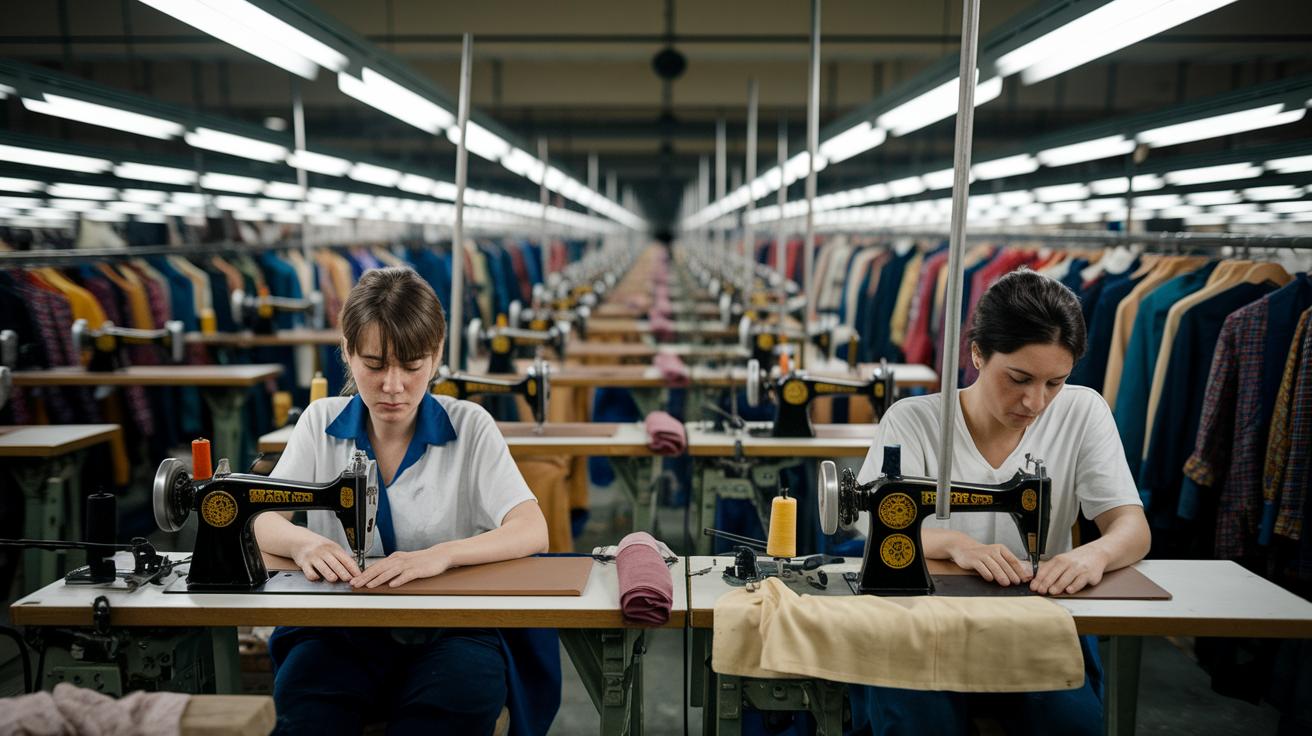
Back in the 1980s, a new style of fast, affordable apparel burst onto the scene, shaking up the world of fashion. Brands started cranking out collections at lightning speed, making trendy outfits available to everyone. But, as with any change, it came with a price. Early on, workers often faced tough, sweatshop-like conditions that raised serious questions about the rights and safety of those behind the seams.
The rush to produce more, faster, eventually sparked a long, ongoing debate about worker exploitation. Concerns grew as production speed raced ahead without giving much thought to safe or fair working conditions. Next came pivotal moments that really spotlighted these issues and pushed the industry to face up to its past mistakes.
| Date | Event | Impact on Worker Protections |
|---|---|---|
| 1985–1995 | Rise of rapid-turnaround brands like Zara and H&M | First exposures of sweatshop conditions |
| 1999 | High-profile campaigns in Bangladesh | Increased scrutiny on garment worker exploitation |
| April 2013 | Rana Plaza collapse | Triggered safety reforms and human rights debates |
| 2021 | Adoption of Shein’s fast fashion model | Accelerated production pressures and deeper ethical dilemmas |
What we’ve seen over the years is that each crisis paved the way for stronger regulatory and advocacy pushes. From massive labor rights campaigns to the gut-wrenching collapse in Bangladesh, every event has nudged the industry closer to prioritizing safe, fair conditions. It’s a hard-hitting history, but one that continuously challenges fashion giants to reckon with their past and create a brighter, more ethical future for garment workers.
Labor Exploitation Case Studies in Fast Fashion Supply Chains
These case studies give us a raw look at practices that still neglect worker well-being. While a few companies have made slight tweaks, many keep pushing harmful conditions without real change.
-
Shein Factories:
- Wage: Workers earn roughly £0.03 per item, way below what local minimum wages demand.
- Hours: Employees slog through 16-hour shifts, and some even hit up to 75 hours a week. It’s a grueling schedule few can handle.
- Safety: Basic safety measures are missing, and rising turnover screams the dangers of the environment.
- A worker once described the factory as "a pressure cooker with no relief valve." Ever wonder how one endures such relentless demands?
-
Rana Plaza Subcontractors:
- Wage: The pay often falls short of local standards, leaving workers undervalued.
- Hours: Ongoing unpaid overtime is so common; it seems like a part of the job description.
- Safety: With locked fire exits and shaky structural setups, these conditions put lives at risk.
-
Southeast Asia Facilities:
- Wage: Several big brands still pay below the legally mandated minimum wage.
- Hours: Workers endure long, unregulated hours without proper legal oversight.
- Safety: Investigations uncover inadequate emergency exits and sporadic supervision, a careless approach to worker safety.
-
Recent Investigations in Urban Centers:
- Wage: New data shows wages continue to barely meet legal minimum requirements.
- Hours: Excessively long hours persist under minimal supervision.
- Safety: Updated research highlights outdated safety equipment and infrequent risk assessments, proving that little has changed despite the glaring issues.
These snapshots reveal a system that barely evolves, even with increased awareness and fresh research. While tiny improvements exist here and there, the underlying exploitation in fast fashion supply chains is still very much alive, challenging our modern labor standards.
Regulatory and Industry Standards for Ethical Fast Fashion
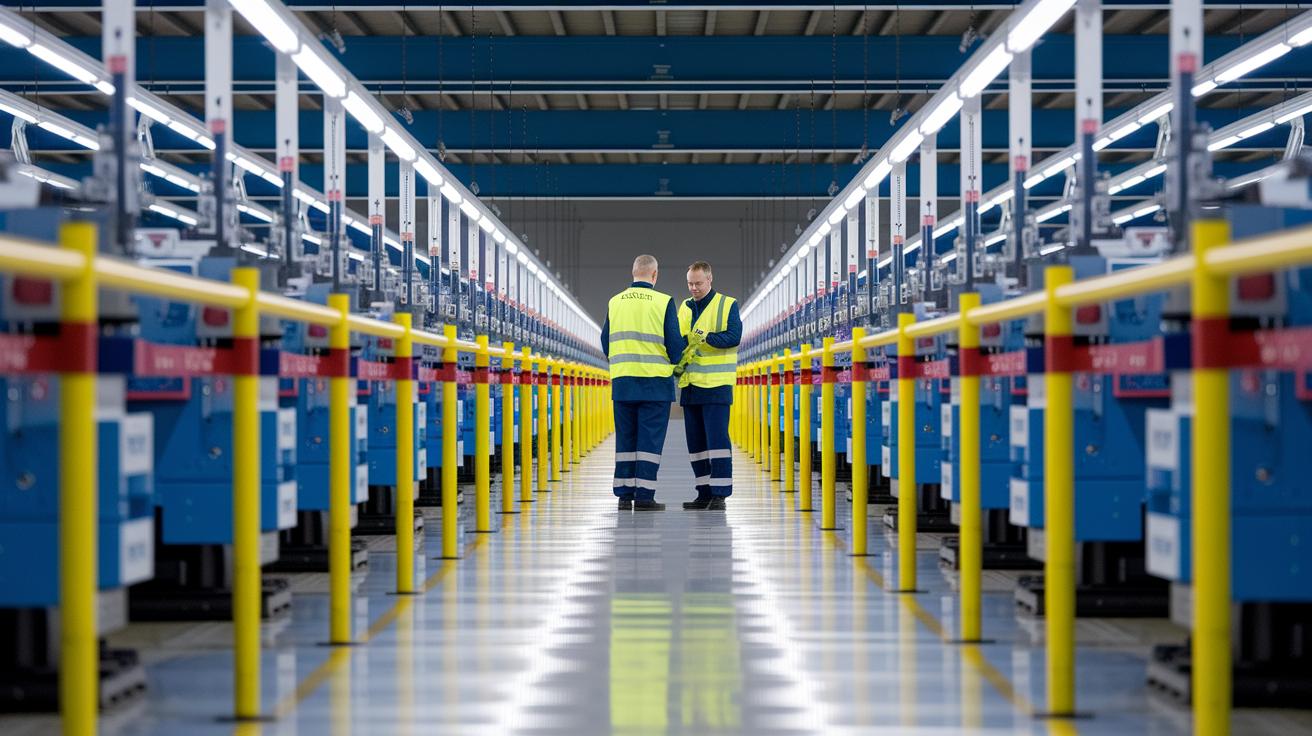
It’s clear that governments are stepping in to protect workers in the fast fashion world. In the UK, there’s real talk about tightening rules to guarantee fair wages and manageable work hours. And over in the US and EU, stricter rules on chemical use, work lengths, and minimum pay are putting clear boundaries on manufacturers, making sure that speed in production doesn’t hurt worker well-being.
Factory safety is a hot topic, too. Factories now have to maintain safe fire exits, well-kept equipment, and solid emergency plans. Inspired by ILO guidelines, these standards mean regular safety checks and ongoing improvements. It’s all about making the workplace safer, even when the pace is super fast.
On the flip side, many brands are opting for a more voluntary approach with ethical sourcing policies. They’re using oversight practices like WRAP and SA8000 audits to keep their supply chains transparent and trustworthy. By combining these self-regulating measures with the hard laws, the industry is taking steps toward a future that’s both responsible and safe for everyone.
Corporate Accountability and Ethical Production Practices
Fast fashion brands are eager to prove they care about ethical production. In their annual reports, you often find detailed factory lists and audit results that show off a commitment to greater supply chain clarity and ethical sourcing. Companies are working hard to meet investor expectations and counter media doubts by getting financial regulators on board. And yes, many are rolling out third-party certifications to back up their claims and boost consumer trust.
| Brand | CSR Policy Highlight | Certification |
|---|---|---|
| Zara | Comprehensive factory audits and transparent sourcing | Fair Wear Foundation |
| H&M | Detailed vendor lists with regular environmental reviews | GOTS |
| Shein | Emerging audit practices with partial disclosures | Internal review |
| Topshop | Extensive sustainability reports emphasizing labor rights | SA8000 |
But despite these promising efforts, there’s still a noticeable gap between what brands promise and what they deliver. Reports shine a bright light on ambitious goals and best practice guidelines, yet many activists point out that actual improvements in factory conditions and labor rights can be underwhelming. Sometimes it feels like these moves are more about looking good for the cameras than making real change on the ground. This disconnect leaves plenty of room for criticism and a strong call for reforms that drive true ethical progress in the fast fashion world.
The Role of Consumers: Ethical Shopping and Worker Advocacy

Lately, more people are shifting their style game and shopping smarter. Today’s trend isn’t just about buying clothes, it’s about standing up for fairness and sustainability. Shoppers are saying "no" to fast, disposable fashion by seeking fair trade styles and championing worker rights. This isn’t a passing fancy; it’s a movement that puts good working conditions and eco-friendly production center stage.
- Check for trusted certifications like fair-trade labels that confirm ethical practices.
- Back campaigns led by workers who are fighting for their rights.
- Invest in fewer, higher-quality pieces that last rather than chasing every fleeting trend.
- Call on brands to be upfront about how and where their items are made.
- Join coalitions that advocate for ethical standards across the industry.
When we all choose to shop with intention, our actions create ripples that push brands to be kinder to people and our planet.
Sustainable Labor Solutions and Reform Initiatives
Pilot living-wage programs in Bangladesh have made a big splash by bumping wages up by 40%. Not only does this boost the bottom line, but it also gives workers a newfound sense of security to plan ahead, pretty impressive when you think about it.
Worker welfare programs are stepping up too. When workers have access to things like healthcare, childcare, and legal support, everyday life gets a whole lot easier. Reliable medical care or that extra help with childcare means a lot more than just a fatter paycheck; it's a real safety net that helps balance out old inequities in the factory floor setup.
And get this, industry forums are now bringing together fashion brands, labor advocates, and government reps in a truly collaborative push for change. These collective efforts are setting the stage for a new era of sustainable manufacturing and ethical supply chains. It's all about sharing best practices and reimagining what a fair working environment can look like.
| Initiative | Impact |
|---|---|
| Wage top-ups | Offers vital income boosts and financial security. |
| Safety training | Creates a safer, more confident workspace. |
| Transparent auditing | Builds trust by ensuring accountability in practices. |
| Union recognition | Empowers workers by acknowledging their collective voice. |
| Long-term supplier partnerships | Fosters stable relationships that benefit everyone involved. |
Final Words
In the action, we unraveled core issues of fast fashion labor practices and ethics by examining on-demand production, worker exploitation, and shifting standards. We explored case examples that show the real impact of ultra-low wages and unsafe conditions while spotlighting moves toward regulatory reform. This article sparks fresh insight into how transparent practices can lead to more reliable production standards. Cheers to a future where consumers and brands work side by side to make the fashion space a better, more responsible place.
FAQ
Frequently Asked Questions
What are some examples of fast fashion labor practices and ethics?
Fast fashion labor practices feature rapid production and minimal oversight that often result in extremely low wages, long work hours, and a lack of transparency in the supply chain.
What do fast fashion worker statistics and exploitation figures show?
Fast fashion statistics reveal workers frequently endure extended shifts of up to 16 hours and earn only a few cents per item, highlighting significant labor exploitation challenges.
What unsafe working conditions exist in fast fashion?
Unsafe working conditions in fast fashion include crowded factories with compromised fire safety measures and locked exits, increasing the risk of worker injury during emergencies.
How much do fast fashion workers earn per day?
Fast fashion workers typically receive very low daily wages, sometimes amounting to just a few dollars after enduring long, grueling shifts in poorly regulated environments.
What are the negative effects of fast fashion?
Fast fashion negatively impacts society by causing environmental degradation, creating excessive waste, fostering labor exploitation, and maintaining hidden supply chains that obscure ethical concerns.
What is meant by fast fashion overconsumption?
Fast fashion overconsumption refers to the relentless purchase and disposal of cheap clothing, which drives rapid production cycles and strains both resources and ethical labor standards.